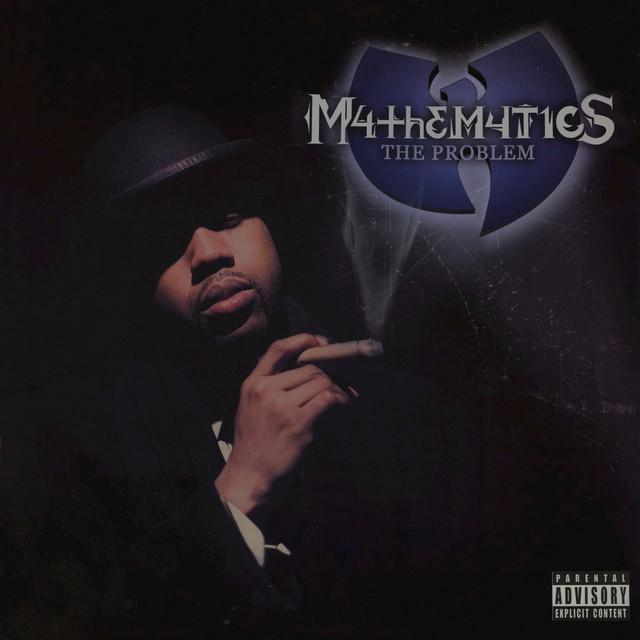
Mathematics

Hip Hop
Boom Bap
 Viberate Rank: 49646
 Viberate Rank: 49646
 Monthly ListenersFollowers
 Subscribers
 Followers
 Followers
 FansTop Spotify Songs
| Track | 7-Day Streams | |
|---|---|---|
1 | 40.53K | |
2 | 34.90K | |
3 | 33.58K | |
4 | 32.35K | |
5 | 28.29K |
Top YouTube VideosMonthly ListenersFeatured in Playlists| Playlist | Followers | |
|---|---|---|
1 |  Jazz Rap Spotify | 1.60M |
2 |  Raw & Uncut Spotify | 334.51K |
3 |  This Is Wu-Tang Clan Spotify | 266.27K |
4 |  Rock & Roll Hall of Fame Inductee: Wu-Tang Clan Best Of wumusicgroup | 161.71K |
5 |  HYPE MUSIC: Best Hip Hop Songs 2020 Filtr | 125.64K |
Audience| City | Monthly Listeners | |
|---|---|---|
1 |  | 6.86K |
2 | | 6.07K |
3 | | 5.51K |
4 |  | 5.37K |
5 | | 4.87K |
See full performance history, audience data, playlist activity, rankings, comparisons, and more in Viberate music analytics. Start with a free trial, then continue with a paid plan.
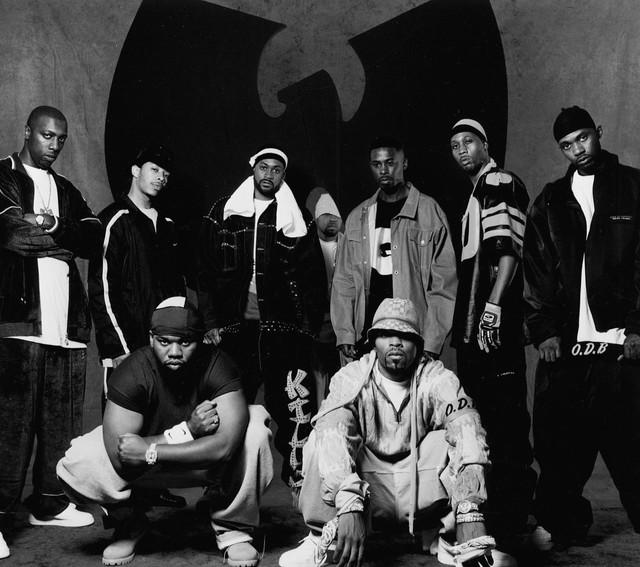
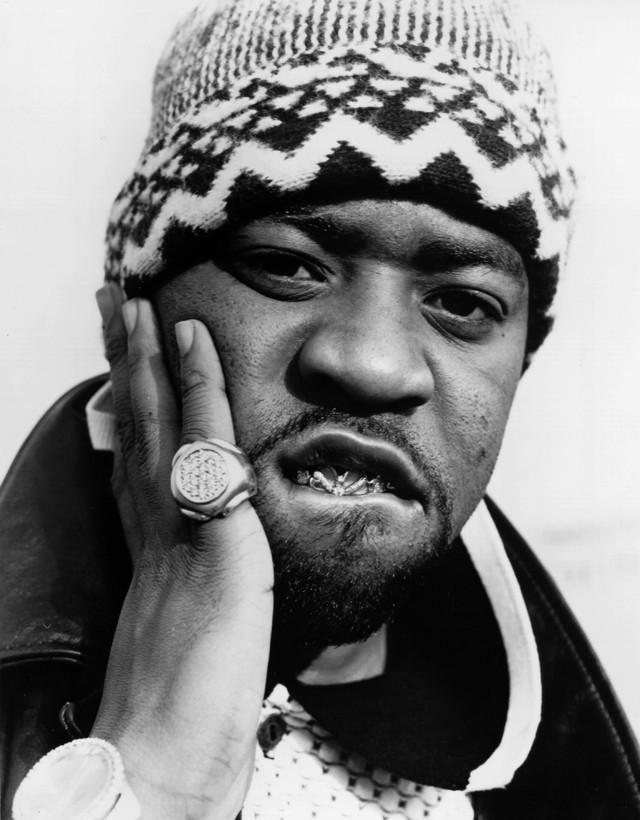
Mathematics’ Spotify BioA member of the Wu-Tang family, DJ/producer Mathematics (aka DJ Allah Mathematics) is the man the group members turn to when they want that classic Wu sound, and he is rumored to have drawn the original "W" logo. Born Norman Porter in south-side Jamaica, Queens, Mathematics was exposed to hip-hop culture at an early age. His older brother brought home mixtapes of Grandmaster Flash & the Furious Five, Treacherous Three, Cold Crush Brothers, and others jamming at area block parties. There were no double tape decks at the time, so Mathematics and his brother made copies by pushing two boom boxes together, one playing and one recording.
The future producer originally thought of himself as an MC and imitated Spoonie Gee, Melle Mel, Kool Moe Dee, and other favorites, but a realization that it was the DJ who controlled the tempo and flow changed everything. Influenced by early greats like Grandmaster Flash, Grand Wizard Theodore, and DJ Charlie Chase, he started DJing block parties in the '80s… while his brother hooked him up with future Wu-Tang member GZA. GZA was working with the Cold Chillin' label and needed a DJ, but this was only the beginning of Mathematics' Wu-Tang association.
GZA's family lived around the corner from Mathematics, and one day GZA called the young DJ to go to Queens and watch his cousin shoot a video. The video was for "Ooh I Love You Rakeem" by Prince Rakeem, and Mathematics was shocked to find out Prince Rakeem was actually an old friend, RZA. Over time, RZA taught Mathematics all he knew about production, like how to use samplers and how important it is to have your own voice. At the time, the copyright rules for sampling stated that if you kept a sample under three seconds you didn't have to get label clearance. To avoid seeking clearance, Mathematics sped up old soul records and created a sound that has since become widely imitated. "Wu Banga 101" from Ghostface Killah's Supreme Clientele, "Rules" from the Wu's Iron Flag, and uncredited work on "Must Be Bobby" from RZA's Digital Bullet are some of Mathematics' major contributions to the Wu world.
In 2003, Mathematics released his first full-length, Love, Hell or Right on his own Quewisha Records label in conjunction with High Times Records. He has also released his own mix CD (available through his website), drawn the artwork for GZA's Liquid Swords album, and written the theme and additional music for Wanda Sykes' television show, Wanda at Large. ~ David Jeffries, Rovi
Viberate is a music analytics platform built for A&Rs, artist managers, labels, booking agents, marketers, and artists.
It helps music professionals track artist growth, analyze audience data, monitor playlist activity, compare artists, follow song performance, and identify opportunities across the music market.
Public artist pages provide a free preview of selected artist data. Paid plans provide access to deeper analytics, historical data, charts, comparisons, playlist tools, exports, alerts, reports, and additional professional features.
Yes. Public Viberate artist pages provide selected artist analytics and music data for free.
Viberate also offers a 7-day free trial of the full platform. A credit card is required to start the trial. The trial includes access to the complete product so users can test deeper artist analytics, historical views, playlist insights, comparisons, charts, exports, alerts, and reporting features before choosing a paid plan.
Viberate provides artist analytics across streaming, playlists, social media, video, radio airplay, songs, and audience markets.
Users can analyze Spotify performance, Spotify and Apple Music playlists, YouTube activity, TikTok and Instagram growth, radio spins, song performance, audience locations, demographics, rankings, and overall artist momentum.
Artist profiles also connect to music charts, similar artists, and comparison tools, helping users benchmark performance and evaluate artists in context.
Viberate updates key artist and track data daily.
For followed artists and tracks, selected data is refreshed multiple times per day. This helps teams monitor playlist changes, streaming movement, audience growth, releases, and campaign performance with more current data.
Update frequency can vary depending on the metric and data source.
Yes. Viberate lets users compare up to five artists side by side across streaming, social media, audience, and engagement metrics.
Users can compare fanbase growth, audience demographics, locations, Spotify performance, social metrics, and other artist data over selected time periods.
Artist comparison can be used for A&R scouting, benchmarking, booking decisions, campaign planning, and evaluating artists with similar audiences or market positions.