Massive Töne

Hip Hop
Contemporary Hip Hop
Alternative Hip Hop
 Viberate Rank: 69941
 Viberate Rank: 69941
 Monthly ListenersFollowers
 Subscribers
 Followers
 Followers
 FansTop Spotify Songs
| Track | 7-Day Streams | |
|---|---|---|
1 | 96.62K | |
2 | 59.28K | |
3 | 22.40K | |
4 | 20.03K | |
5 | 18.85K |
Top YouTube VideosMonthly ListenersFeatured in Playlists| Playlist | Followers | |
|---|---|---|
1 |  Deutschrap: Die Klassiker Spotify | 667.99K |
2 |  I Love My '00s Deutschrap Spotify | 140.94K |
3 |  Kaulhitz von Bill & Tom Kaulitz Spotify | 111.56K |
4 | 90er und 2000er Top Hits kallilucahsen | 59.79K |
5 |  I Love My '90s Deutschrap Spotify | 49.41K |
Audience| City | Monthly Listeners | |
|---|---|---|
1 | | 27.58K |
2 | | 24.82K |
3 | | 24.82K |
4 | | 22.92K |
5 | | 20.53K |
See full performance history, audience data, playlist activity, rankings, comparisons, and more in Viberate music analytics. Start with a free trial, then continue with a paid plan.
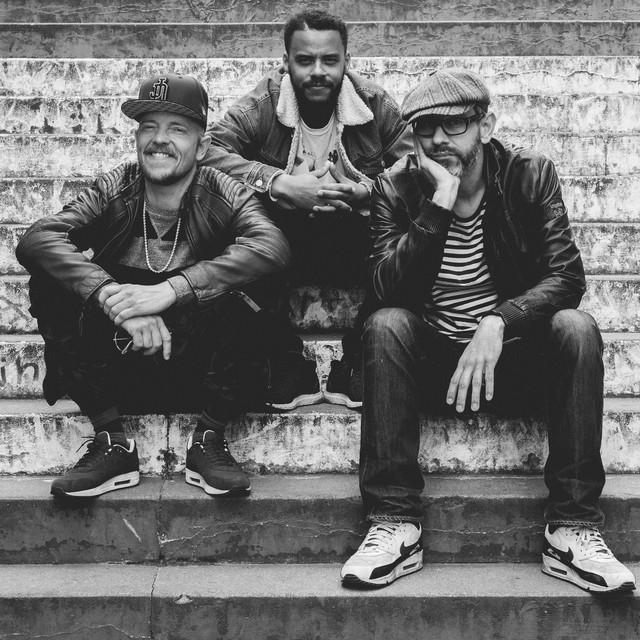
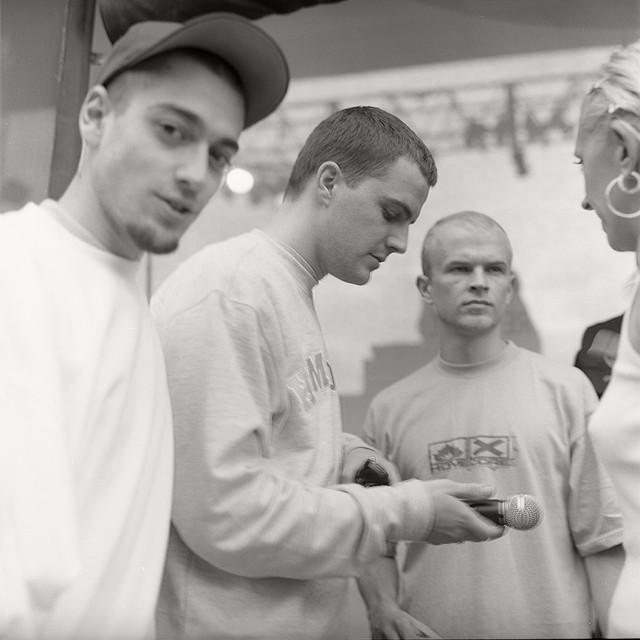
Massive Töne’s Spotify BioGerman hip-hop group Massive Töne began in the early '90s, when friends Schowi (Jean-Christoph Ritter) and Ju (João dos Santos), inspired by artists like the Beastie Boys, Public Enemy, and the Ultramagnetic MC's, decided to start rapping themselves. Soon Wasi (Wasi Ntuanoglu) and DJ 5ter Ton (Alexander Scheffel) joined, and Massive Töne began performing around their home base of Stuttgart, working on perfecting their blend of socially aware and party-oriented beats and rhymes. After releasing Dichter in Stuttgart in 1995 and Kopfnicker in 1996, Massive Töne were signed to Warner affiliate East West Records, which issued Überfall, the crew's most successful album, in 1999. Just a year later, however, Wasi left Massive Töne, and it wasn't until 2002 that the group, now a trio, returned with its next full-length, MT3. Three years later, Zurück in die Zukunft came out. ~ Marisa Brown, Rovi
Viberate is a music analytics platform built for A&Rs, artist managers, labels, booking agents, marketers, and artists.
It helps music professionals track artist growth, analyze audience data, monitor playlist activity, compare artists, follow song performance, and identify opportunities across the music market.
Public artist pages provide a free preview of selected artist data. Paid plans provide access to deeper analytics, historical data, charts, comparisons, playlist tools, exports, alerts, reports, and additional professional features.
Yes. Public Viberate artist pages provide selected artist analytics and music data for free.
Viberate also offers a 7-day free trial of the full platform. A credit card is required to start the trial. The trial includes access to the complete product so users can test deeper artist analytics, historical views, playlist insights, comparisons, charts, exports, alerts, and reporting features before choosing a paid plan.
Viberate provides artist analytics across streaming, playlists, social media, video, radio airplay, songs, and audience markets.
Users can analyze Spotify performance, Spotify and Apple Music playlists, YouTube activity, TikTok and Instagram growth, radio spins, song performance, audience locations, demographics, rankings, and overall artist momentum.
Artist profiles also connect to music charts, similar artists, and comparison tools, helping users benchmark performance and evaluate artists in context.
Viberate updates key artist and track data daily.
For followed artists and tracks, selected data is refreshed multiple times per day. This helps teams monitor playlist changes, streaming movement, audience growth, releases, and campaign performance with more current data.
Update frequency can vary depending on the metric and data source.
Yes. Viberate lets users compare up to five artists side by side across streaming, social media, audience, and engagement metrics.
Users can compare fanbase growth, audience demographics, locations, Spotify performance, social metrics, and other artist data over selected time periods.
Artist comparison can be used for A&R scouting, benchmarking, booking decisions, campaign planning, and evaluating artists with similar audiences or market positions.