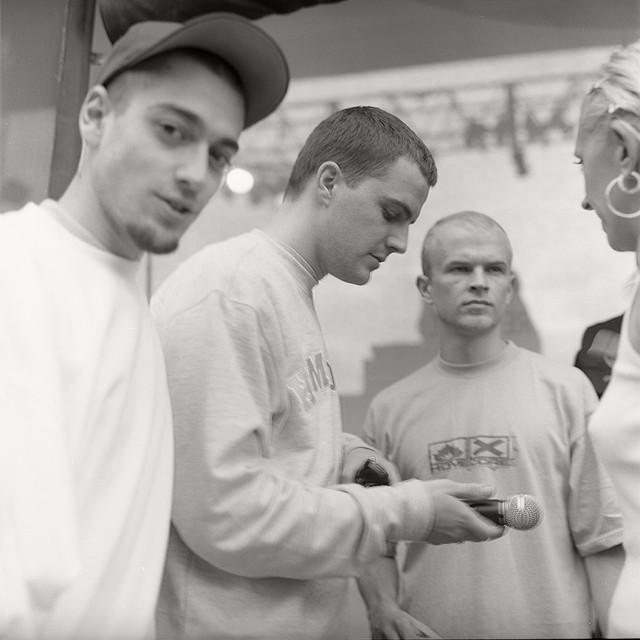
DJ Friction

Electronic
Dance
Contemporary Hip Hop
 Viberate Rank: 102811
 Viberate Rank: 102811
 Monthly ListenersFollowers
 Subscribers
 Followers
 Followers
 FansTop Spotify Songs
| Track | 7-Day Streams | |
|---|---|---|
1 | 56.42K | |
2 | 34.07K | |
3 | 25.46K | |
4 | 8.77K | |
5 | 7.56K |
Top YouTube VideosMonthly ListenersFeatured in Playlists| Playlist | Followers | |
|---|---|---|
1 |  Deutschrap: Die Klassiker Spotify | 667.99K |
2 |  MTV Hits (1990-2000) DJ RAM | 205.05K |
3 |  80s Remix 90s Remix Club & Dance Lazerboyz | 134.31K |
4 |  Daily Favs - Fynn Kliemanns wichtigste Musik Fynn Kliemann | 96.13K |
5 |  I Love My '90s Deutschrap Spotify | 49.41K |
Audience| City | Monthly Listeners | |
|---|---|---|
1 | | 22.12K |
2 | | 17.11K |
3 | | 17.02K |
4 | | 15.17K |
5 | | 12.85K |
See full performance history, audience data, playlist activity, rankings, comparisons, and more in Viberate music analytics. Start with a free trial, then continue with a paid plan.
DJ Friction’s Spotify BioDJ Friction started djing and collecting Records in 1985. After competing in various DJ battles he had his first DJ residency in 1991. In the same year he started producing for local rappers and singers. Throughout the 90's he was mostly known as a Hip Hop DJ and a founding member, DJ and co-producer of chart topping Hip Hop band Freundeskreis. With Freundeskreis he released 2 gold selling studio albums ("Quadratur des Kreises" in 1997 and "Esperanto" in 1999), 1 live album ("FK Allstars-En Directo" in 2000) and a best of album ("FK 10" in 2007). From 2000 on he released several solo albums ("Science Friction" in 2000, "Friction" in 2002 and "Soulsonic" in 2004), a Nu-Disco / House album together with DJ Thomilla under the name Bodymovin in 2009, a few singles as „Motor Mouth“ with Philip König and his album „DJ Friction presents Ground Control - Boogie Some More“, a 80s Boogie Funk album, was released in 2017 on Sedsoul Records. A 7“ Vinyl Single from the album was released trough… Chicago’s Modern Funk-specialised label Star Creature Records. In 2020 he produced the album Diggin' Sonoton together with Dexter for renowned library company Sonoton. 2021 saw the release of his instrumental album Synesthesia. In late 2024 he starts his own label Soulsonic Recordings.
Viberate is a music analytics platform built for A&Rs, artist managers, labels, booking agents, marketers, and artists.
It helps music professionals track artist growth, analyze audience data, monitor playlist activity, compare artists, follow song performance, and identify opportunities across the music market.
Public artist pages provide a free preview of selected artist data. Paid plans provide access to deeper analytics, historical data, charts, comparisons, playlist tools, exports, alerts, reports, and additional professional features.
Yes. Public Viberate artist pages provide selected artist analytics and music data for free.
Viberate also offers a 7-day free trial of the full platform. A credit card is required to start the trial. The trial includes access to the complete product so users can test deeper artist analytics, historical views, playlist insights, comparisons, charts, exports, alerts, and reporting features before choosing a paid plan.
Viberate provides artist analytics across streaming, playlists, social media, video, radio airplay, songs, and audience markets.
Users can analyze Spotify performance, Spotify and Apple Music playlists, YouTube activity, TikTok and Instagram growth, radio spins, song performance, audience locations, demographics, rankings, and overall artist momentum.
Artist profiles also connect to music charts, similar artists, and comparison tools, helping users benchmark performance and evaluate artists in context.
Viberate updates key artist and track data daily.
For followed artists and tracks, selected data is refreshed multiple times per day. This helps teams monitor playlist changes, streaming movement, audience growth, releases, and campaign performance with more current data.
Update frequency can vary depending on the metric and data source.
Yes. Viberate lets users compare up to five artists side by side across streaming, social media, audience, and engagement metrics.
Users can compare fanbase growth, audience demographics, locations, Spotify performance, social metrics, and other artist data over selected time periods.
Artist comparison can be used for A&R scouting, benchmarking, booking decisions, campaign planning, and evaluating artists with similar audiences or market positions.