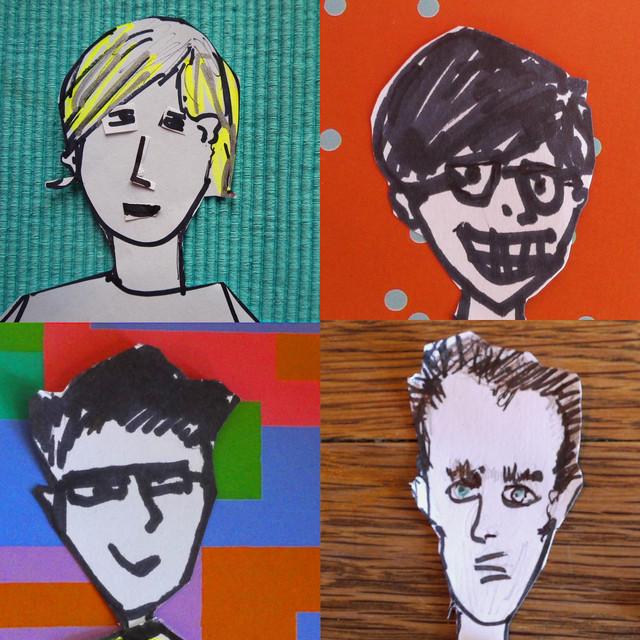
Massage

Pop
Indie Pop
Indie Rock
 Viberate Rank: 241136
 Viberate Rank: 241136
 Monthly ListenersFollowers
 Subscribers
 Followers
 Followers
 FansTop Spotify Songs
| Track | 7-Day Streams | |
|---|---|---|
1 | 339 | |
2 | 113 | |
3 | 64 | |
4 | 60 | |
5 | 39 |
Top YouTube VideosMonthly ListenersFeatured in Playlists| Playlist | Followers | |
|---|---|---|
1 |  the jangle pop masterlist Arielle | 5.96K |
2 |  Jangle Pop/Rock Ash Dubey | 4.13K |
3 |  History of Power Pop Luthercal | 2.00K |
4 |  SRF 3 «Sounds!»: Die lange Playlist für lange Nächte SRF 3 | 1.97K |
5 |  WFMU's Heavily Played Records - 2020s Edition WFMU | 1.93K |
Audience| City | Monthly Listeners | |
|---|---|---|
1 | | 38 |
2 |  | 37 |
3 | | 36 |
4 | | 25 |
5 |  | 23 |
See full performance history, audience data, playlist activity, rankings, comparisons, and more in Viberate music analytics. Start with a free trial, then continue with a paid plan.
Massage’s Spotify BioIt’s been four years since L.A. indie-pop mainstays Massage last released new music. Now, on Oct. 10, they return with Coaster, a masterful 10-track album that finds the band facing the upheaval and uncertainty of adulthood the only way they know how: together, five longtime friends, turning out one Perfect Pop Song after another.
The wait was worth it. Massage have always seen themselves as music fans rather than proper “musicians,” and Coaster — their third LP after 2018’s Oh Boy and 2021’s Still Life — still conjures memories of other eras: the braided rumble of The Cure’s “Pictures of You”; the radiant clang of Big Star’s “September Gurls”; the strobe-light sheen of Echo and the Bunnymen’s “Bring on the Dancing Horses”; the hazy strum of David Kilgour’s “Shivering”; even the post-Madchester swagger of prime Oasis, if you squint hard enough.
Yet while facets of Coaster might feel familiar, here they add up to something greater, and rarer — a band that finally sounds more like itself… than its influences.
“We’ve been labeled ‘jangle pop’ and lumped in with ‘fog pop,’” says Andrew Romano, guitarist and vocalist. “We even called ourselves ‘college rock.’ But we never really fit in anywhere. I think Coaster is where we embrace that in-betweenness. We’re a pop group, plain and simple. We don’t want to just remind you of some other band. We want to write songs you can’t shake.”
Viberate is a music analytics platform built for A&Rs, artist managers, labels, booking agents, marketers, and artists.
It helps music professionals track artist growth, analyze audience data, monitor playlist activity, compare artists, follow song performance, and identify opportunities across the music market.
Public artist pages provide a free preview of selected artist data. Paid plans provide access to deeper analytics, historical data, charts, comparisons, playlist tools, exports, alerts, reports, and additional professional features.
Yes. Public Viberate artist pages provide selected artist analytics and music data for free.
Viberate also offers a 7-day free trial of the full platform. A credit card is required to start the trial. The trial includes access to the complete product so users can test deeper artist analytics, historical views, playlist insights, comparisons, charts, exports, alerts, and reporting features before choosing a paid plan.
Viberate provides artist analytics across streaming, playlists, social media, video, radio airplay, songs, and audience markets.
Users can analyze Spotify performance, Spotify and Apple Music playlists, YouTube activity, TikTok and Instagram growth, radio spins, song performance, audience locations, demographics, rankings, and overall artist momentum.
Artist profiles also connect to music charts, similar artists, and comparison tools, helping users benchmark performance and evaluate artists in context.
Viberate updates key artist and track data daily.
For followed artists and tracks, selected data is refreshed multiple times per day. This helps teams monitor playlist changes, streaming movement, audience growth, releases, and campaign performance with more current data.
Update frequency can vary depending on the metric and data source.
Yes. Viberate lets users compare up to five artists side by side across streaming, social media, audience, and engagement metrics.
Users can compare fanbase growth, audience demographics, locations, Spotify performance, social metrics, and other artist data over selected time periods.
Artist comparison can be used for A&R scouting, benchmarking, booking decisions, campaign planning, and evaluating artists with similar audiences or market positions.