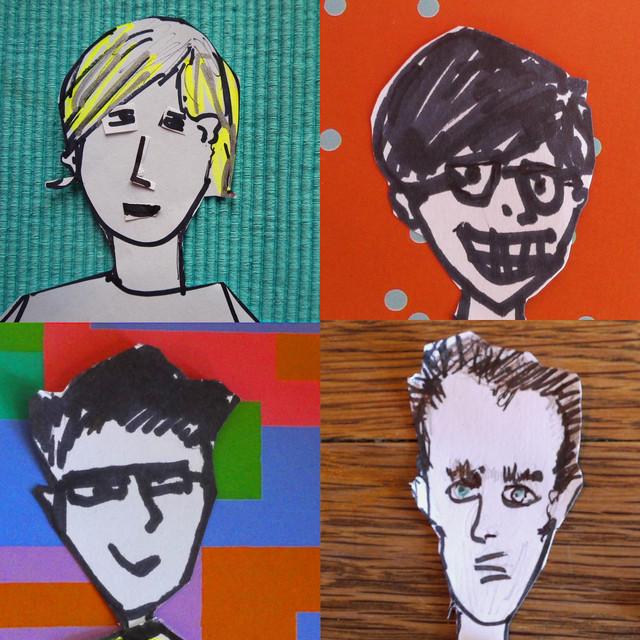
The Black Watch

Rock
Indie Rock
Power Pop
 Viberate Rank: 364042
 Viberate Rank: 364042
 Monthly ListenersFollowers
 Subscribers
 Followers
 Followers
 FansTop Spotify Songs
| Track | 7-Day Streams | |
|---|---|---|
1 | 805 | |
2 | 317 | |
3 | 68 | |
4 | 67 | |
5 | 63 |
Top YouTube VideosMonthly ListenersFeatured in Playlists| Playlist | Followers | |
|---|---|---|
1 |  obscure 90s-2010s shoegaze pdawg | 6.55K |
2 |  the jangle pop masterlist Arielle | 5.97K |
3 |  British Military Marches Joe Charles | 4.33K |
4 |  The Shoegazer Radio tuff-ghost | 2.42K |
5 | My WORKOUT Mix TheMusicHole.com | 2.35K |
Audience| City | Monthly Listeners | |
|---|---|---|
1 |  | 17 |
2 |  | 16 |
3 | | 15 |
4 | | 14 |
5 | | 14 |
See full performance history, audience data, playlist activity, rankings, comparisons, and more in Viberate music analytics. Start with a free trial, then continue with a paid plan.
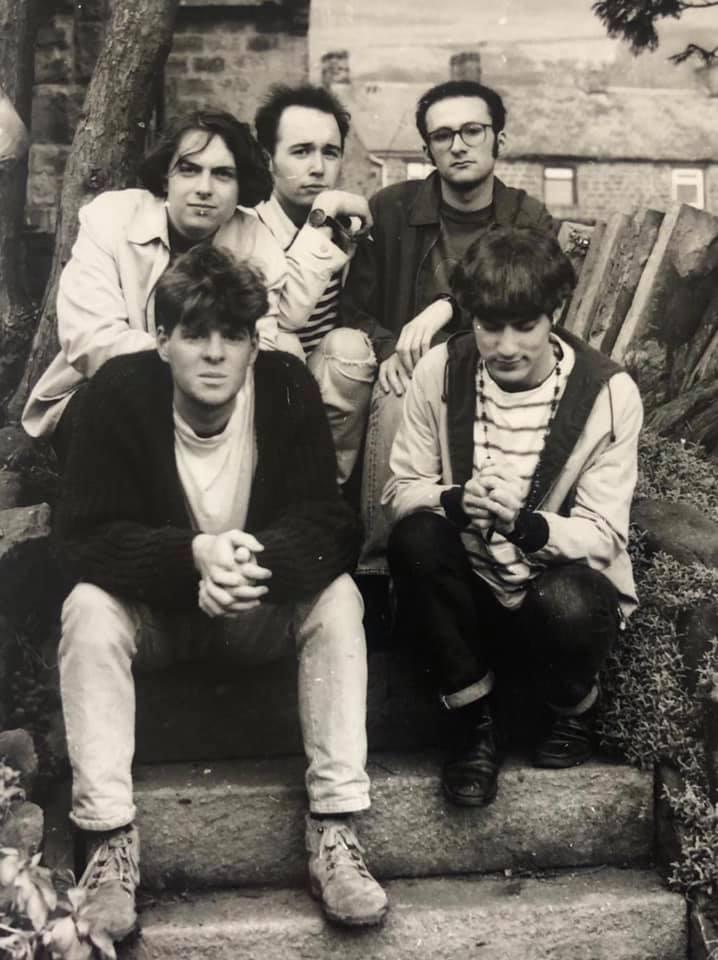
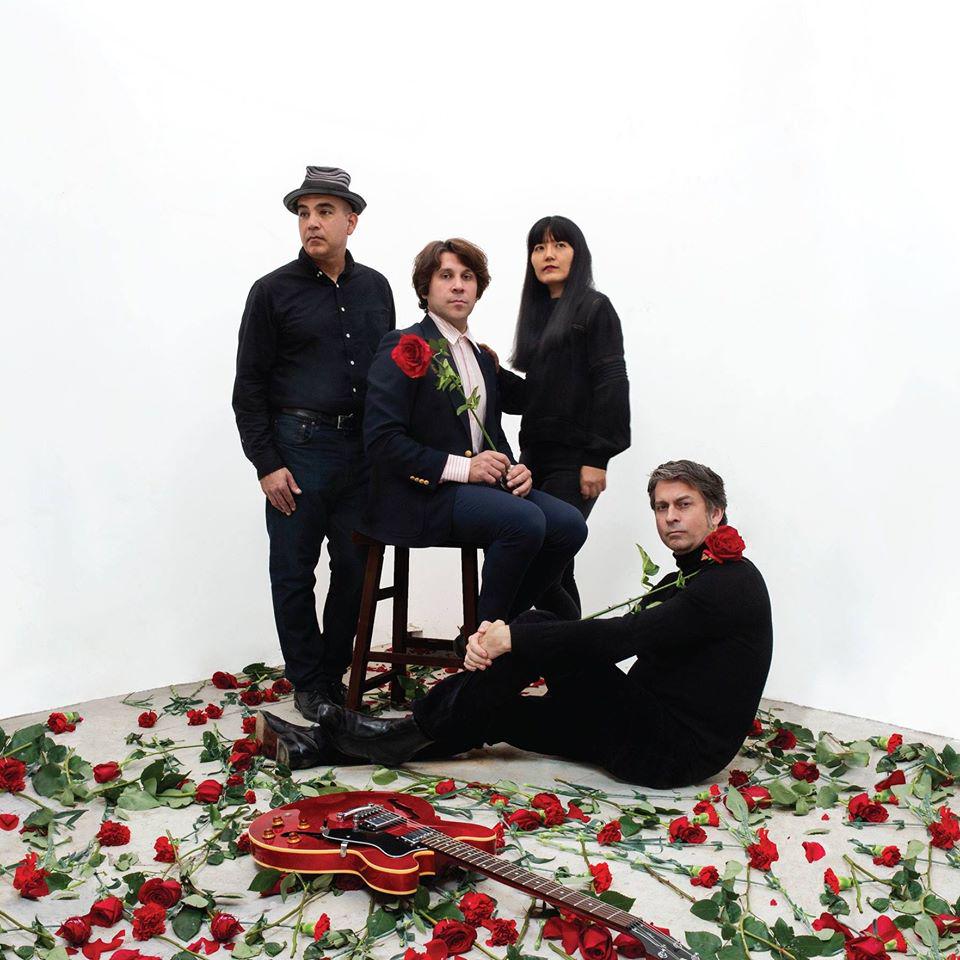
The Black Watch’s Spotify BioThe lone constant of veteran California indie rock outfit the Black Watch is John Andrew Fredrick, a writer and anglophile with a Ph.D. in English from the University of California at Santa Barbara. Since the late '80s, Fredrick has released well-regarded post-punk pop/rock albums that have gained comparisons to My Bloody Valentine, the Cure, Yo La Tengo, the Smiths, Interpol, the War on Drugs, and late-'60s pop. With multiple lineup and label changes since forming the group in 1987, Fredrick's talent as a writer and skill as a musician won the admiration of a handful of underground journalists and a devoted fan base; he later emphasized his cult status on the anthology 31 Years of Obscurity: The Best of the Black Watch 1988-2019.
Fredrick assembled the first lineup of the Black Watch after finishing college. Recording a brief demo and opening for the Church and Toad the Wet Sprocket, the band more or less went their own way. Later in 1987, Fredrick put together a new band and recorded… the full-length St. Valentine, releasing it on his own Eskimo label. That lineup dissolved shortly after its release, and Fredrick soon picked up another batch of people to play with. Most importantly, a chance meeting between Fredrick and J'Anna Jacoby (who played mandolin for the likes of John Tesh and Rod Stewart) led to the recruitment of a second full-time Black Watch member.
The vinyl-only Short Stories EP was released in 1989, with Dr. Dream picking them up for 1991's Flowering, ushering in another new rhythm section. "Terrific," one of the highlights of the album, gained considerable airplay on a number of major radio stations, but lack of label promotion thwarted the record's exposure. The Black Watch left Dr. Dream and signed with Zero Hour for 1995's Joe Chiccarelli-produced Amphetamines. Again, the record was well-received by those who heard it. Several lineup changes pre-dated the Seven Rollercoasters EP, which was issued in 1997.
The band went on hiatus for six months, while Fredrick finished a book about an indie band titled The King of Good Intentions. Henry Rollins' 2.13.61 publishing house intended to print it, until they realized that they didn't have the finances to do so. A companion record of the same name was released by Not Lame in 1999. Lime Green Girl was released the next year by Saltwater, which added seven songs from the band's history to the end of the record. The Christopher Smart EP was issued in 2001. The following year, the band released what would be regarded as one of their best offerings. Produced by Tim Boland, Jiggery-Pokery combined Fredrick's songwriting and Jacoby's violin and guitar backing on tracks like "The Tennis-Playing Poet Roethke Said" and "What Is the Color of Happiness," which featured Pat Fish of Jazz Butcher on vocals. Very Mary Beth arrived in 2003, continuing along the same model of Intentions and Jiggery. In 2005, the band issued The Hypnotizing Sea and The Innercity Garden EP, with Tatterdemalion following the year after. The group's tenth LP in two decades, Icing the Snow Queen, and their fifth EP, After the Gold Room, were released in 2008.
Album 11, titled Led Zeppelin Five, arrived in 2011. Yet another solid set, the LP featured the brisk guitar rocker "Emily, Are You Sleeping?" and an unlisted cover of the Beatles' "It's All Too Much" hidden after the closing track "Weirdly." The 27-track double-album The End of When was released in 2013, continuing Fredrick's record of reliable output and the band's ever frustrating lack of mainstream exposure. 2015's Sugarplum Fairy, Sugarplum Fairy marked album 13 for the prolific stalwarts. Here, Fredrick played every instrument aside from drums.
For the remainder of the decade, he seemed to operate at peak creativity, delivering at least one new Black Watch album per year including 2017's Robert Campanella (the Brian Jonestown Massacre)-produced The Gospel According to John and 2018's Witches!. In addition to 2019's Magic Johnson album, Fredrick also offered up two Black Watch retrospectives in The Vinyl Years: 1988-1993 and 31 Years of Obscurity: The Best of the Black Watch 1988-2019. Wasting little time, he returned his attention to the present and kicked off 2020 with Brilliant Failures. ~ Andy Kellman & Neil Z. Yeung, Rovi
Viberate is a music analytics platform built for A&Rs, artist managers, labels, booking agents, marketers, and artists.
It helps music professionals track artist growth, analyze audience data, monitor playlist activity, compare artists, follow song performance, and identify opportunities across the music market.
Public artist pages provide a free preview of selected artist data. Paid plans provide access to deeper analytics, historical data, charts, comparisons, playlist tools, exports, alerts, reports, and additional professional features.
Yes. Public Viberate artist pages provide selected artist analytics and music data for free.
Viberate also offers a 7-day free trial of the full platform. A credit card is required to start the trial. The trial includes access to the complete product so users can test deeper artist analytics, historical views, playlist insights, comparisons, charts, exports, alerts, and reporting features before choosing a paid plan.
Viberate provides artist analytics across streaming, playlists, social media, video, radio airplay, songs, and audience markets.
Users can analyze Spotify performance, Spotify and Apple Music playlists, YouTube activity, TikTok and Instagram growth, radio spins, song performance, audience locations, demographics, rankings, and overall artist momentum.
Artist profiles also connect to music charts, similar artists, and comparison tools, helping users benchmark performance and evaluate artists in context.
Viberate updates key artist and track data daily.
For followed artists and tracks, selected data is refreshed multiple times per day. This helps teams monitor playlist changes, streaming movement, audience growth, releases, and campaign performance with more current data.
Update frequency can vary depending on the metric and data source.
Yes. Viberate lets users compare up to five artists side by side across streaming, social media, audience, and engagement metrics.
Users can compare fanbase growth, audience demographics, locations, Spotify performance, social metrics, and other artist data over selected time periods.
Artist comparison can be used for A&R scouting, benchmarking, booking decisions, campaign planning, and evaluating artists with similar audiences or market positions.