Martyrdöd

Punk
Hardcore Punk
Black Metal
 Viberate Rank: 180687
 Viberate Rank: 180687
 Monthly ListenersFollowers
 Subscribers
 Followers
 Followers
 FansTop Spotify Songs
| Track | 7-Day Streams | |
|---|---|---|
1 | 961 | |
2 | 521 | |
3 | 395 | |
4 | 364 | |
5 | 323 |
Top YouTube VideosMonthly ListenersFeatured in Playlists| Playlist | Followers | |
|---|---|---|
1 |  The Sound of Everything The Sounds of Spotify | 53.82K |
2 |  Crust Punk / D-Beat Miguel Ciprés Avendaño | 12.56K |
3 |  The Sound of Crust Punk The Sounds of Spotify | 9.61K |
4 |  Black Metal Focus Alex Armstrong | 6.51K |
5 | Crust Punk | Metalpunk | D-beat | Black Metal ... Berenice Espinosa | 5.08K |
Audience| City | Monthly Listeners | |
|---|---|---|
1 | | 117 |
2 | | 103 |
3 |  | 91 |
4 | | 73 |
5 |  | 65 |
See full performance history, audience data, playlist activity, rankings, comparisons, and more in Viberate music analytics. Start with a free trial, then continue with a paid plan.
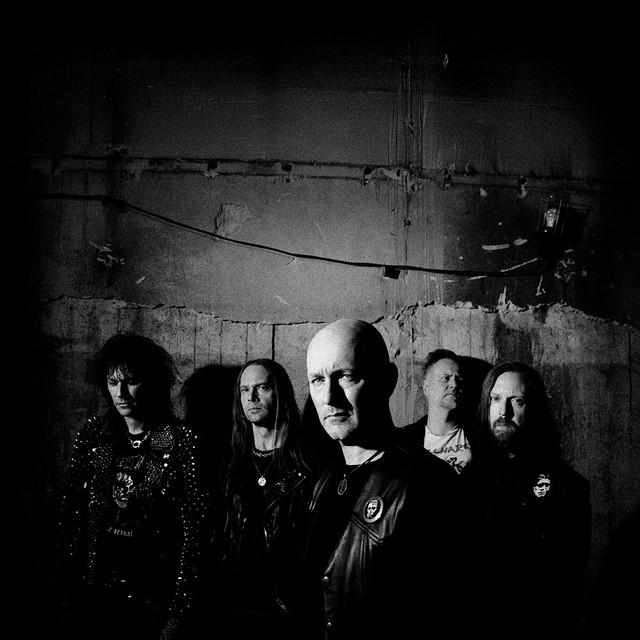
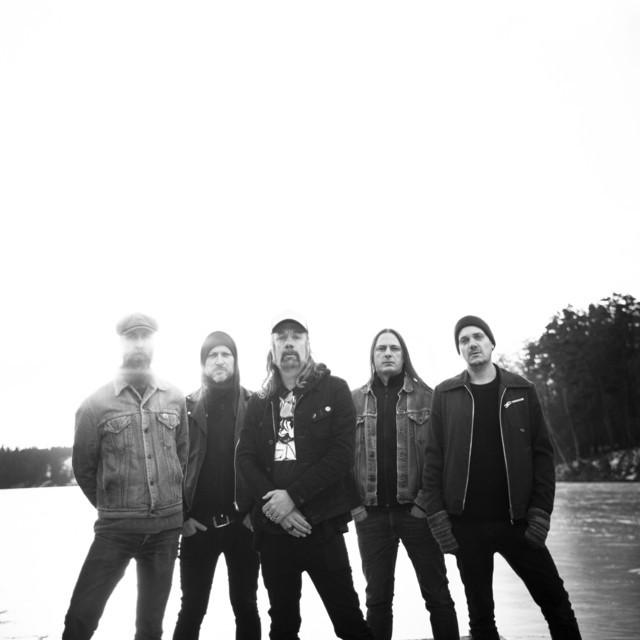
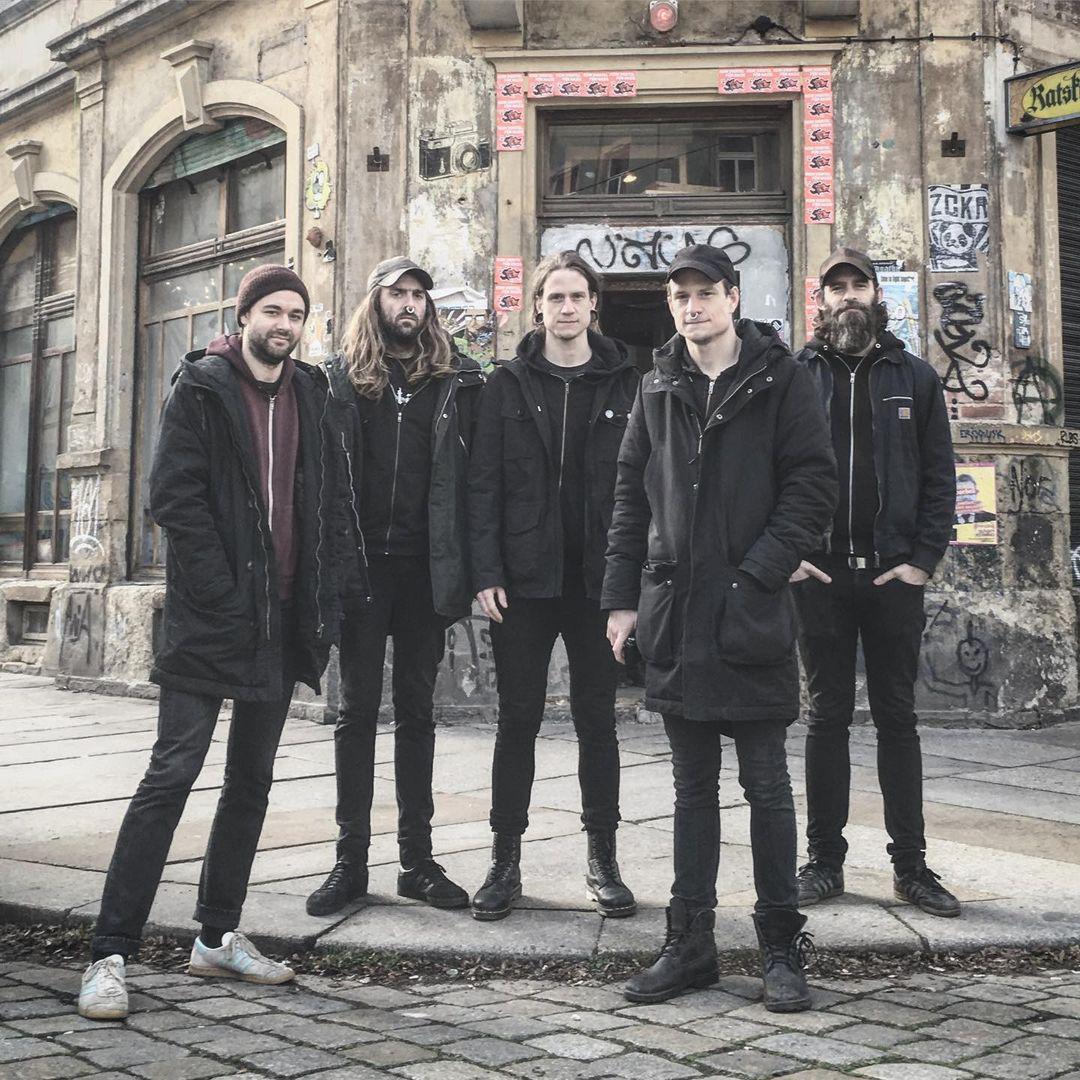
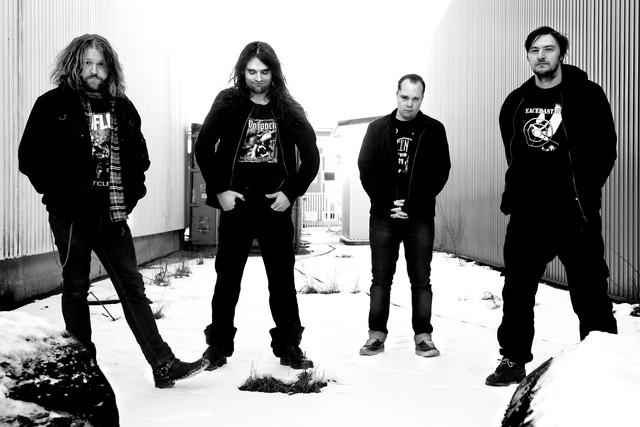
Martyrdöd’s Spotify BioMartyrdöd is a Swedish quartet who specialize in a brand of crust and d-beat punk informed by extreme and black metal influences. They were formed in 2001 in Gothenburg by vocalist/guitarist Mikael Kjellman, bassist Anton Grönholm, drummer Jens Bäckelin, and guitarist/backing vocalist Pontus Redig. Gronholm left soon thereafter and was replaced by a number of different bassists.
Their self-titled debut album was issued in 2003, followed by We Walk the Line, a split-EP with Sunday Morning Einsteins. In Extremis was released on Havoc Records in 2005, and was acclaimed all over Europe, guaranteeing the band opening slots on several tours. Sekt, in 2009, was their first release issued on both sides of the Atlantic.
After headlining dates across Europe, Martyrdöd signed to Southern Lord. Paranoia, which appeared in 2012, was universally acclaimed and featured an expanded sound with more dynamic guitar leads and harmonic dissonances. For 2014's Elddop, they were joined by bassist Fredrik… Reinedahl who is primarily known for his production and engineering work with Sólstafir, Abandon, Burst, and Dimension Zero, among others. ~ Thom Jurek, Rovi
Viberate is a music analytics platform built for A&Rs, artist managers, labels, booking agents, marketers, and artists.
It helps music professionals track artist growth, analyze audience data, monitor playlist activity, compare artists, follow song performance, and identify opportunities across the music market.
Public artist pages provide a free preview of selected artist data. Paid plans provide access to deeper analytics, historical data, charts, comparisons, playlist tools, exports, alerts, reports, and additional professional features.
Yes. Public Viberate artist pages provide selected artist analytics and music data for free.
Viberate also offers a 7-day free trial of the full platform. A credit card is required to start the trial. The trial includes access to the complete product so users can test deeper artist analytics, historical views, playlist insights, comparisons, charts, exports, alerts, and reporting features before choosing a paid plan.
Viberate provides artist analytics across streaming, playlists, social media, video, radio airplay, songs, and audience markets.
Users can analyze Spotify performance, Spotify and Apple Music playlists, YouTube activity, TikTok and Instagram growth, radio spins, song performance, audience locations, demographics, rankings, and overall artist momentum.
Artist profiles also connect to music charts, similar artists, and comparison tools, helping users benchmark performance and evaluate artists in context.
Viberate updates key artist and track data daily.
For followed artists and tracks, selected data is refreshed multiple times per day. This helps teams monitor playlist changes, streaming movement, audience growth, releases, and campaign performance with more current data.
Update frequency can vary depending on the metric and data source.
Yes. Viberate lets users compare up to five artists side by side across streaming, social media, audience, and engagement metrics.
Users can compare fanbase growth, audience demographics, locations, Spotify performance, social metrics, and other artist data over selected time periods.
Artist comparison can be used for A&R scouting, benchmarking, booking decisions, campaign planning, and evaluating artists with similar audiences or market positions.