Disfear

Punk
Hardcore Punk
Grindcore
 Viberate Rank: 82969
 Viberate Rank: 82969
 Monthly ListenersFollowers
 Subscribers
 Followers
 Followers
 FansTop Spotify Songs
| Track | 7-Day Streams | |
|---|---|---|
1 | 20.71K | |
2 | 15.49K | |
3 | 15.09K | |
4 | 13.36K | |
5 | 11.00K |
Top YouTube VideosMonthly ListenersFeatured in Playlists| Playlist | Followers | |
|---|---|---|
1 |  Kickass Metal Spotify | 1.66M |
2 |  All New Metal Spotify | 812.45K |
3 |  Death Metal Classics @MansenSankari | 127.50K |
4 |  FENRIZ METAL Gylve | 32.35K |
5 | Metal🤘🏻 Naydil González | 16.45K |
Audience| City | Monthly Listeners | |
|---|---|---|
1 | | 861 |
2 | | 721 |
3 |  | 597 |
4 | | 435 |
5 | | 429 |
See full performance history, audience data, playlist activity, rankings, comparisons, and more in Viberate music analytics. Start with a free trial, then continue with a paid plan.
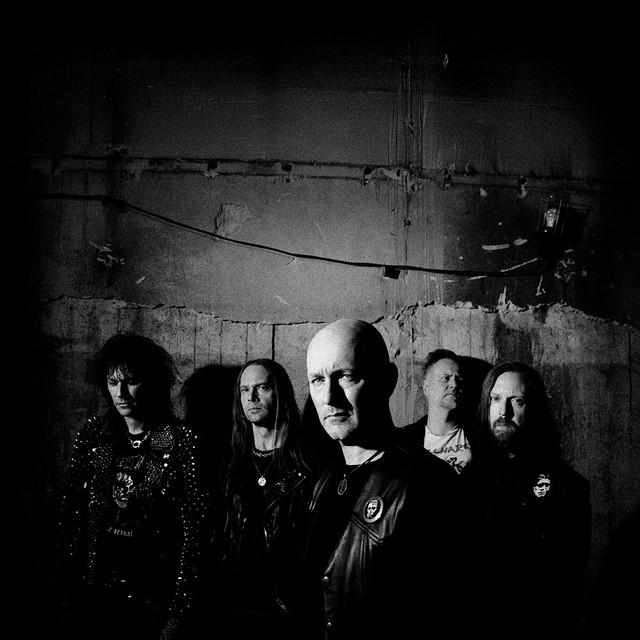
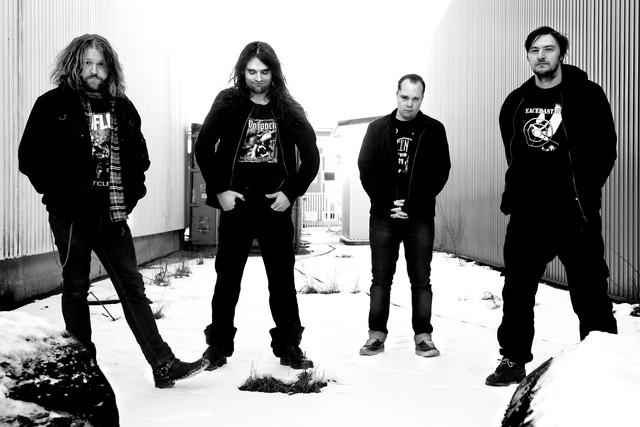
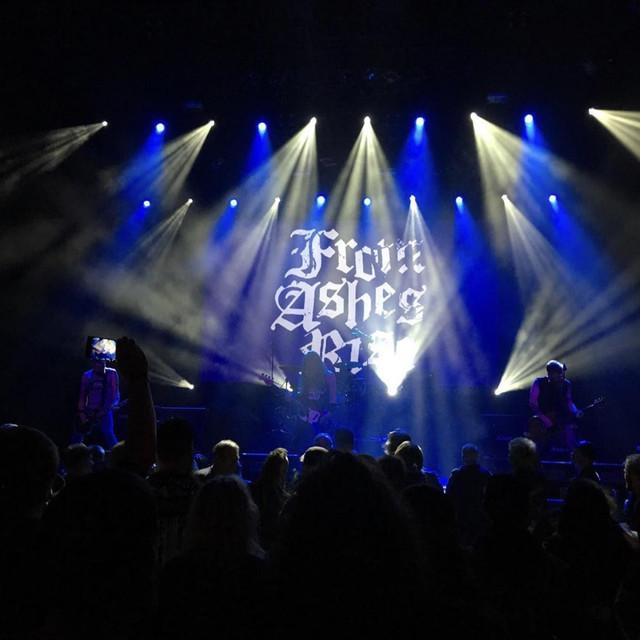
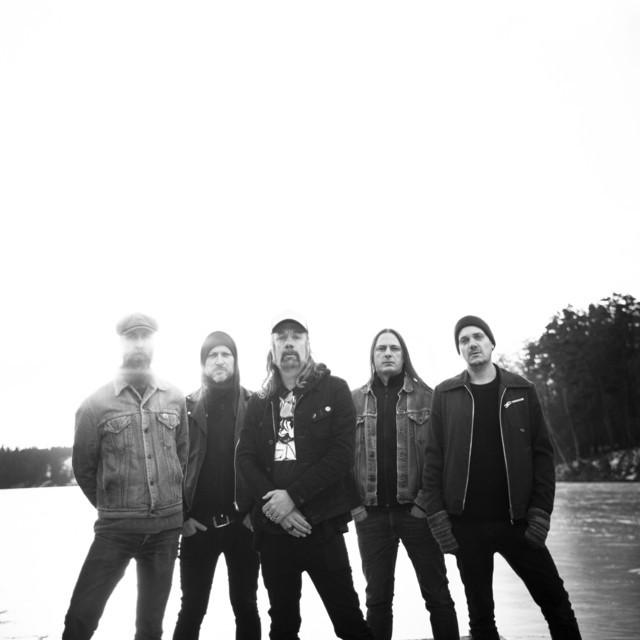
Disfear’s Spotify BioOne of the many bands who took the (often overlooked) sounds of legendary punk/metal hybrid act (also referred to as the godfathers of the D-Beat sound) Discharge to heart, Disfear started out as Anti-Bofors in 1989. While the Nykoping, Sweden band would go on to weather a few line up changes and periods of relative inactivity, Disfear would build momentum with each release (and, in some cases, with roster additions) to become one of Europe's premier punk metal hybrid band of the 21st century. Anti-Bofors released one solitary 7-inch, before taking on the Disfear moniker in time for their 1992 self-titled debut EP. While their 1993 EP, A Brutal Sight of War, was critically well-received, it was to be the 1995 full length, Soul Scars that was to bring them fully into the limelight of their genre, touring with groups with such luminaries as GBH, DRI, and Doom. The album was their only full length release for Distortion, and in 1997, the band signed with Osmose to release their sophomore… album, Everyday Slaughter. 1998 was to be a year of great change for Disfear, however, as on the one hand they lost vocalist Jeppe Lerjerud, but -- on the other -- gained a vocalist who had not only the vocal chops to deliver on the sound the band was pummeling audiences with, but also a pedigree relatively unmatched by most in Sweden at the time. That replacement was none other than the voice of Swedish death metal legends, At The Gates' Tomas Lindberg. The band played a number of shows, including some festival appearances in their new ‘look,' but a new Disfear album was not to be seen until 2003. That year, Disfear released the collection Misanthropic Generation, added a second guitarist in former Entombed member Uffe Cederlund (at this stage, the band's membership was rounded out by founding members Bjorn Peterson on guitar, Henke Frykman on bass with Marcus Andersson on drums), and proceeded to carry on some serious momentum into the following year, playing with Discharge, and playing their first shows on U.S. soil. A tour of the States eventually came about in 2006, as the band was in preparation for their next album, which was recorded in the midst of 2007. The final product of those sessions, which took place in Salem, Massachusetts under the watchful eye of Converge guitarist Kurt Ballou, was the 2008 release Live the Storm. Touring and performance for the new album was stalled a bit in 2008, as Lindberg and his former band, At The Gates, embarked on a multi-nation farewell tour. ~ Chris True, Rovi
Viberate is a music analytics platform built for A&Rs, artist managers, labels, booking agents, marketers, and artists.
It helps music professionals track artist growth, analyze audience data, monitor playlist activity, compare artists, follow song performance, and identify opportunities across the music market.
Public artist pages provide a free preview of selected artist data. Paid plans provide access to deeper analytics, historical data, charts, comparisons, playlist tools, exports, alerts, reports, and additional professional features.
Yes. Public Viberate artist pages provide selected artist analytics and music data for free.
Viberate also offers a 7-day free trial of the full platform. A credit card is required to start the trial. The trial includes access to the complete product so users can test deeper artist analytics, historical views, playlist insights, comparisons, charts, exports, alerts, and reporting features before choosing a paid plan.
Viberate provides artist analytics across streaming, playlists, social media, video, radio airplay, songs, and audience markets.
Users can analyze Spotify performance, Spotify and Apple Music playlists, YouTube activity, TikTok and Instagram growth, radio spins, song performance, audience locations, demographics, rankings, and overall artist momentum.
Artist profiles also connect to music charts, similar artists, and comparison tools, helping users benchmark performance and evaluate artists in context.
Viberate updates key artist and track data daily.
For followed artists and tracks, selected data is refreshed multiple times per day. This helps teams monitor playlist changes, streaming movement, audience growth, releases, and campaign performance with more current data.
Update frequency can vary depending on the metric and data source.
Yes. Viberate lets users compare up to five artists side by side across streaming, social media, audience, and engagement metrics.
Users can compare fanbase growth, audience demographics, locations, Spotify performance, social metrics, and other artist data over selected time periods.
Artist comparison can be used for A&R scouting, benchmarking, booking decisions, campaign planning, and evaluating artists with similar audiences or market positions.