Mark Nightingale

Jazz
Big band Jazz
 Viberate Rank: 470403
 Viberate Rank: 470403
 Monthly ListenersFollowers
 Subscribers
 Followers
 Followers
 FansTop Spotify Songs
| Track | 7-Day Streams | |
|---|---|---|
1 | 609 | |
2 | 366 | |
3 | 71 | |
4 | 59 | |
5 | 48 |
Top YouTube VideosMonthly ListenersFeatured in Playlists| Playlist | Followers | |
|---|---|---|
1 |  Best of jazz trombone Mons Records | 4.29K |
2 |  Late night jazz serenade Mons Records | 3.62K |
3 |  Neo soul/Jazz fusion Olivia Monaghan | 3.56K |
4 |  Trombone Jazz Masters George S Piazza | 2.67K |
5 | Jazz trombone frogman927 | 2.26K |
Audience| City | Monthly Listeners | |
|---|---|---|
1 |  | 68 |
2 |  | 56 |
3 |  | 32 |
4 |  | 26 |
5 |  | 23 |
See full performance history, audience data, playlist activity, rankings, comparisons, and more in Viberate music analytics. Start with a free trial, then continue with a paid plan.
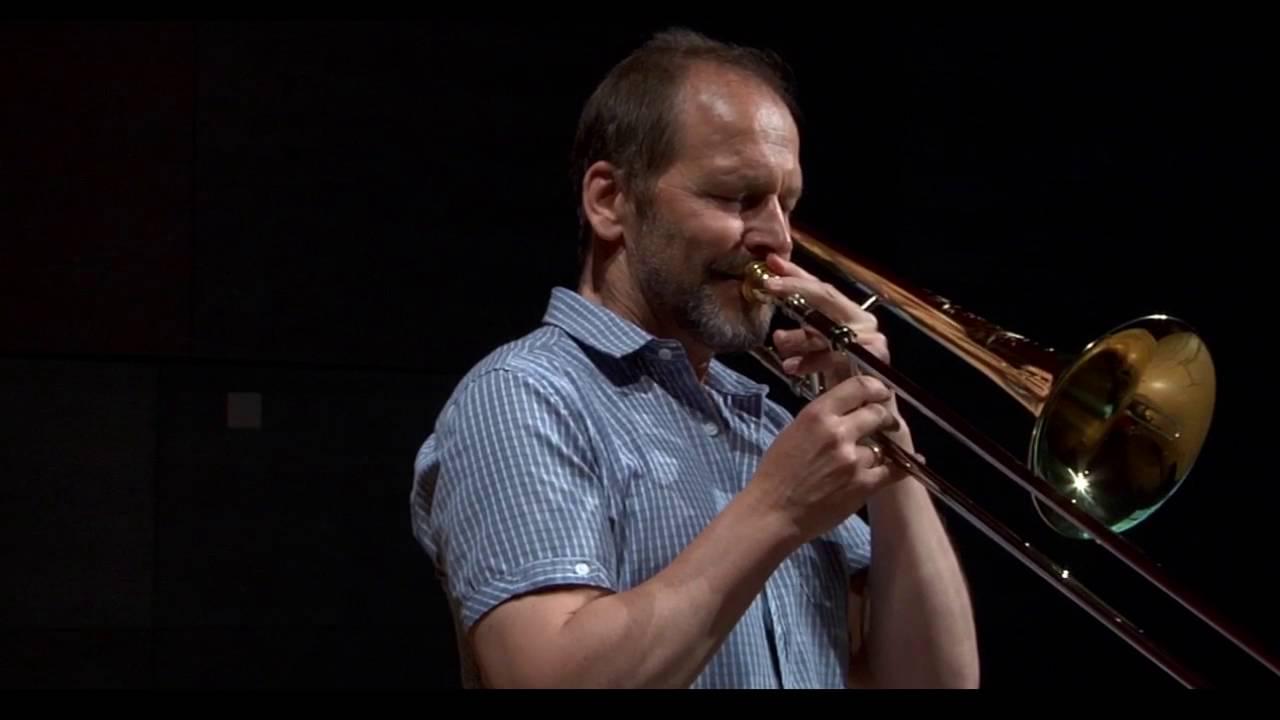
Mark Nightingale’s Spotify Biob. 29 May 1967, Evesham, Worcestershire, England. Nightingale took up the trombone as a child and at the age of 15 won the prestigious award named for Don Lusher. Immediately following this he became lead trombonist with the National Youth Jazz Orchestra. It was while he was with the NYJO that Nightingale extended his musical prowess into the fields of composing and arranging. In the late 80s he formed Bone Structure, a small band with an all-trombone front line. The outfit released one album, Bone Structure, on the Calligraph label in 1988. A student at London’s Trinity College of Music, Nightingale has subsequently gone on to establish a strong reputation around the world, playing in groups led by artists such as Alan Barnes, Louie Bellson, Lee Konitz, James Morrison, George Shearing and Clark Terry.
The experience gained during his tenure with the National Youth Jazz Orchestra has also helped him to become a first-call trombonist with several big bands, including those led by Michael… Garrick, Stan Tracey, Kenny Wheeler and Colin Towns. Other big bands have sought out his charts, among them the BBC Radio Big Band and the Dankworth Generation Big Band, his music appearing, as did he, on the latter’s Nebuchadnezzar. His work has also been commissioned by James Morrison. An outstanding technician, Nightingale is also an inventive soloist. In addition to playing and composing, Nightingale has also produced a series of instrumental studies, using text and play-along CDs.
Viberate is a music analytics platform built for A&Rs, artist managers, labels, booking agents, marketers, and artists.
It helps music professionals track artist growth, analyze audience data, monitor playlist activity, compare artists, follow song performance, and identify opportunities across the music market.
Public artist pages provide a free preview of selected artist data. Paid plans provide access to deeper analytics, historical data, charts, comparisons, playlist tools, exports, alerts, reports, and additional professional features.
Yes. Public Viberate artist pages provide selected artist analytics and music data for free.
Viberate also offers a 7-day free trial of the full platform. A credit card is required to start the trial. The trial includes access to the complete product so users can test deeper artist analytics, historical views, playlist insights, comparisons, charts, exports, alerts, and reporting features before choosing a paid plan.
Viberate provides artist analytics across streaming, playlists, social media, video, radio airplay, songs, and audience markets.
Users can analyze Spotify performance, Spotify and Apple Music playlists, YouTube activity, TikTok and Instagram growth, radio spins, song performance, audience locations, demographics, rankings, and overall artist momentum.
Artist profiles also connect to music charts, similar artists, and comparison tools, helping users benchmark performance and evaluate artists in context.
Viberate updates key artist and track data daily.
For followed artists and tracks, selected data is refreshed multiple times per day. This helps teams monitor playlist changes, streaming movement, audience growth, releases, and campaign performance with more current data.
Update frequency can vary depending on the metric and data source.
Yes. Viberate lets users compare up to five artists side by side across streaming, social media, audience, and engagement metrics.
Users can compare fanbase growth, audience demographics, locations, Spotify performance, social metrics, and other artist data over selected time periods.
Artist comparison can be used for A&R scouting, benchmarking, booking decisions, campaign planning, and evaluating artists with similar audiences or market positions.