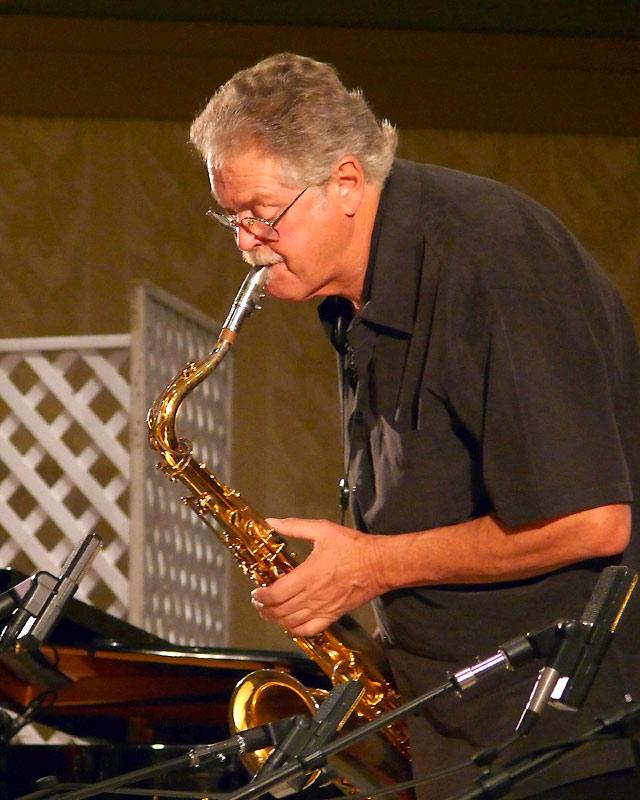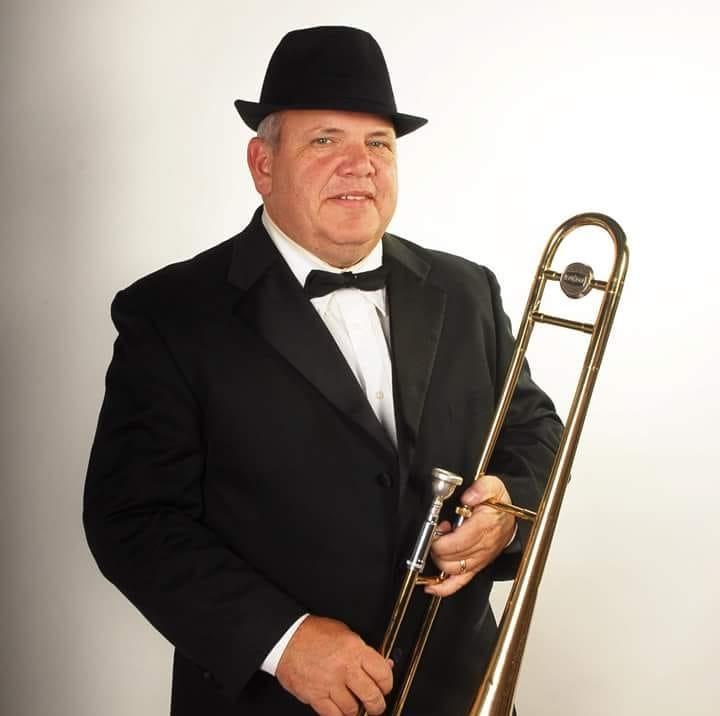
Carl Saunders

Jazz
Smooth Jazz
Big band Jazz
 Viberate Rank: 509042
 Viberate Rank: 509042
 Monthly ListenersFollowers
 Subscribers
 Followers
 Followers
 FansTop Spotify Songs
| Track | 7-Day Streams | |
|---|---|---|
1 | 242 | |
2 | 73 | |
3 | 50 | |
4 | 48 | |
5 | 43 |
Top YouTube VideosMonthly ListenersFeatured in Playlists| Playlist | Followers | |
|---|---|---|
1 |  Jazz Noir / Dark Jazz Paolo | 14.64K |
2 | Audiophile 101 - Music for Testing Speakers & Headphones Steve Gerrard | 12.00K |
3 |  Here & Now DJ Sessions from NPR and WBUR (updated weekly) Here & Now | 10.97K |
4 |  The Real Book - Volume I David Calmhede | 6.37K |
5 |  Hooked on Classics Upbeat Instrumental for Work & Studying 1228799150 | 3.64K |
Audience| City | Monthly Listeners | |
|---|---|---|
1 | | 20 |
2 | | 14 |
3 | | 12 |
4 |  | 11 |
5 |  | 10 |
See full performance history, audience data, playlist activity, rankings, comparisons, and more in Viberate music analytics. Start with a free trial, then continue with a paid plan.
Carl Saunders’ Spotify BioA superior bop trumpeter inspired by Don Fagerquist, Carl Saunders was one of the top jazz soloists based in Los Angeles, but he recorded far too infrequently to gain the fame he deserved. As a teenager, he played with Stan Kenton (1960) and his uncle Bobby Sherwood (Dave Pell was also an uncle). Saunders picked up experience touring with Benny Goodman, Charlie Barnet, Harry James, Buddy Rich, and Maynard Ferguson (1967), and played regularly in show bands in Las Vegas until moving to Los Angeles in 1984. After that, he worked in the studios, performed with the new Dave Pell Octet, popped up in many local big bands, and finally, in 1995, recorded a CD of his own for the small S&L label. Carl Saunders died on February 25, 2023, in Burbank, California, at the age of 80. ~ Scott Yanow, Rovi
Viberate is a music analytics platform built for A&Rs, artist managers, labels, booking agents, marketers, and artists.
It helps music professionals track artist growth, analyze audience data, monitor playlist activity, compare artists, follow song performance, and identify opportunities across the music market.
Public artist pages provide a free preview of selected artist data. Paid plans provide access to deeper analytics, historical data, charts, comparisons, playlist tools, exports, alerts, reports, and additional professional features.
Yes. Public Viberate artist pages provide selected artist analytics and music data for free.
Viberate also offers a 7-day free trial of the full platform. A credit card is required to start the trial. The trial includes access to the complete product so users can test deeper artist analytics, historical views, playlist insights, comparisons, charts, exports, alerts, and reporting features before choosing a paid plan.
Viberate provides artist analytics across streaming, playlists, social media, video, radio airplay, songs, and audience markets.
Users can analyze Spotify performance, Spotify and Apple Music playlists, YouTube activity, TikTok and Instagram growth, radio spins, song performance, audience locations, demographics, rankings, and overall artist momentum.
Artist profiles also connect to music charts, similar artists, and comparison tools, helping users benchmark performance and evaluate artists in context.
Viberate updates key artist and track data daily.
For followed artists and tracks, selected data is refreshed multiple times per day. This helps teams monitor playlist changes, streaming movement, audience growth, releases, and campaign performance with more current data.
Update frequency can vary depending on the metric and data source.
Yes. Viberate lets users compare up to five artists side by side across streaming, social media, audience, and engagement metrics.
Users can compare fanbase growth, audience demographics, locations, Spotify performance, social metrics, and other artist data over selected time periods.
Artist comparison can be used for A&R scouting, benchmarking, booking decisions, campaign planning, and evaluating artists with similar audiences or market positions.