Mark Korven

Classical
Classical Crossover
Orchestral
 Viberate Rank: 181996
 Viberate Rank: 181996
 Monthly ListenersFollowers
 Subscribers
 Followers
 Followers
 FansTop Spotify Songs
| Track | 7-Day Streams | |
|---|---|---|
1 | 9.01K | |
2 | 3.04K | |
3 | 1.85K | |
4 | 1.70K | |
5 | 1.28K |
Top YouTube VideosMonthly ListenersFeatured in Playlists| Playlist | Followers | |
|---|---|---|
1 |  Spooky Evil Gay Mix Lily | 52.41K |
2 |  Horror playlist pitchcanker | 44.41K |
3 |  Mood: Ominous Brian Davis | 16.67K |
4 |  READING: SCI-FI / ADVENTURE Jessica | 14.21K |
5 |  Cello & Piano - deep dark atmospheric sad classical matias | 14.17K |
Audience| City | Monthly Listeners | |
|---|---|---|
1 |  | 766 |
2 |  | 763 |
3 | | 646 |
4 |  | 583 |
5 | | 524 |
See full performance history, audience data, playlist activity, rankings, comparisons, and more in Viberate music analytics. Start with a free trial, then continue with a paid plan.
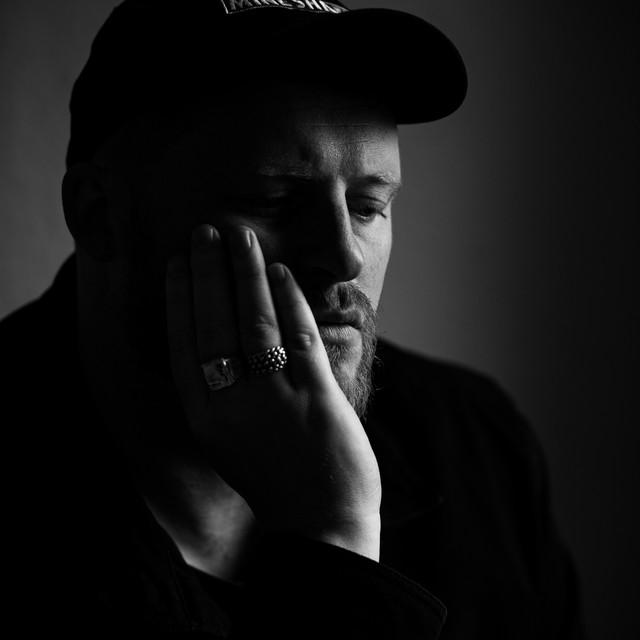
Mark Korven’s Spotify BioA singer/songwriter who settled into a career as a film and TV composer during the 1990s, Mark Korven is most closely associated with his ominous, part-electronic orchestral scores for the horror, sci-fi, and thriller genres. Though he made his film debut with the 1987 comedy I've Heard the Mermaids Singing, movies like 1997's Cube and the 2000 thriller Falling Through, along with numerous documentaries, brought more projects with tense subject matter his way. He worked on the TV crime series The Border from 2008 to 2010, and the independent horror film The Witch was a low-key hit in 2016. Thereafter, Korven's film music increasingly received soundtrack releases, as was the case for 2018's Our House and 2019's The Lighthouse.
Born in Winnipeg, Canada, Korven showed an early affection for raucous rock music and began playing guitar before his teens. By the age of 17, he had found work in local bars playing with a number of bands. His tastes quickly expanded, and he began experimenting… with other styles, including jazz fusion and progressive rock. In 1977, he enrolled at Edmonton's Grant MacEwan College to study music, which included classes in jazz arranging and composition. When he graduated in the early '80s, he went back to working with cover bands as a stand-in guitarist. Around that time, he began writing tunes of his own.
In 1984, working with Rave Records, Korven completed and released his debut album, Passengers. He moved to the Duke Street label for 1987's Ordinary Man. That same year, he wrote his first film score, for the whimsical Canadian comedy-drama I've Heard the Mermaid's Singing. He made one more solo album in 1992, This Must Be the Place, but shifted his focus to scoring as he got more and more film assignments, including Sam & Me (1991), The Michaell Apts. (1994), and the sci-fi movie Cube (1997). He also did some work in television during this time, most notably for The Twilight Zone series reboot.
The 2000s brought the thriller Falling Through and the drama Saint Jude, both from 2000. Among his work for TV were the movies Hollywood Wives: The New Generation (2003) and Terrorised by Teens: The Jonathan Wamback Story (2005). He also scored various documentaries and the television show The Border (2008-2010). He continued to work primarily on shorts and in television until composing music for Robert Eggers' feature The Witch, released in 2016. His atmospheric, dissonant score was released by Milan and led to higher-profile projects. Awakening the Zodiac followed in 2017, and in 2018, his score for that year's Our House was issued on Lakeshore. The Sacred Bones label released Korven's music for 2019's The Lighthouse, a horror-fantasy film starring Willem Dafoe and Robert Pattinson. ~ Charlotte Dillon & Marcy Donelson, Rovi
Viberate is a music analytics platform built for A&Rs, artist managers, labels, booking agents, marketers, and artists.
It helps music professionals track artist growth, analyze audience data, monitor playlist activity, compare artists, follow song performance, and identify opportunities across the music market.
Public artist pages provide a free preview of selected artist data. Paid plans provide access to deeper analytics, historical data, charts, comparisons, playlist tools, exports, alerts, reports, and additional professional features.
Yes. Public Viberate artist pages provide selected artist analytics and music data for free.
Viberate also offers a 7-day free trial of the full platform. A credit card is required to start the trial. The trial includes access to the complete product so users can test deeper artist analytics, historical views, playlist insights, comparisons, charts, exports, alerts, and reporting features before choosing a paid plan.
Viberate provides artist analytics across streaming, playlists, social media, video, radio airplay, songs, and audience markets.
Users can analyze Spotify performance, Spotify and Apple Music playlists, YouTube activity, TikTok and Instagram growth, radio spins, song performance, audience locations, demographics, rankings, and overall artist momentum.
Artist profiles also connect to music charts, similar artists, and comparison tools, helping users benchmark performance and evaluate artists in context.
Viberate updates key artist and track data daily.
For followed artists and tracks, selected data is refreshed multiple times per day. This helps teams monitor playlist changes, streaming movement, audience growth, releases, and campaign performance with more current data.
Update frequency can vary depending on the metric and data source.
Yes. Viberate lets users compare up to five artists side by side across streaming, social media, audience, and engagement metrics.
Users can compare fanbase growth, audience demographics, locations, Spotify performance, social metrics, and other artist data over selected time periods.
Artist comparison can be used for A&R scouting, benchmarking, booking decisions, campaign planning, and evaluating artists with similar audiences or market positions.