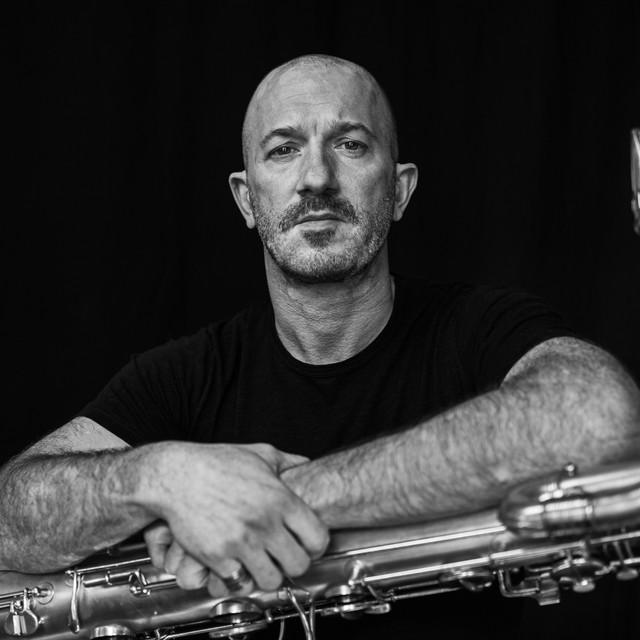
Bobby Krlic

Classical
Classical Crossover
 Viberate Rank: 138662
 Viberate Rank: 138662
 Monthly ListenersFollowers
 Subscribers
 Followers
 Followers
 FansTop Spotify Songs
| Track | 7-Day Streams | |
|---|---|---|
1 | 4.93K | |
2 | 4.02K | |
3 | 3.77K | |
4 | 3.67K | |
5 | 2.59K |
Top YouTube Videos| Video | 7-Day Views | |
|---|---|---|
1 | 18 | |
2 | 12 | |
3 | 5 |
Monthly ListenersFeatured in Playlists| Playlist | Followers | |
|---|---|---|
1 |  New Soundtracks Spotify | 335.07K |
2 |  Soundtrack for Study Filtr Canada | 300.89K |
3 |  Classical Halloween Spotify | 190.57K |
4 |  real good shit Tom Misch | 165.62K |
5 |  Stranger Things Soundtrack (Netflix) Excelsior Recordings | 121.77K |
Audience| City | Monthly Listeners | |
|---|---|---|
1 |  | 1.22K |
2 | | 1.18K |
3 | | 889 |
4 | | 888 |
5 |  | 662 |
See full performance history, audience data, playlist activity, rankings, comparisons, and more in Viberate music analytics. Start with a free trial, then continue with a paid plan.
Bobby Krlic’s Spotify BioBobby Krlic is an award-winning British composer, producer and multi-instrumentalist, as well as the man behind The Haxan Cloak. A discovery of hip-hop and electronic music at 16 left its mark on the young Krlic, and he set about creating his own take on folktronica. A university course in sound and visual art opened Krlic's eyes to the possibility of making music in a whole different way.
Krlic released his self-titled debut full-length, The Haxan Cloak, in 2011. This was followed by his first live appearances, which coincided with a gradual transition from his usual drone-influenced sound to a more electronic style of production. In 2012, Krlic signed to Tri-Angle Records, and went on to release a 30-minute live composition, The Men Who Parted the Sea to Devour the Water. The release was followed up in 2013 with Excavation, his second-full-length LP, and described by Krlic as being about "the soul's journey after death." In 2015 he earned production credits on the Vulnicura album by… Icelandic singer/songwriter Björk and Death Magic, the third record from Californian noise rock band HEALTH. He then began collaborating with fellow producer and Oscar-winning film composer Atticus Ross on the scores for the 2015 movie Blackhat, 2016's Triple 9, and Steve Hoover's 2016 documentary Almost Holy. In 2019, Krlic wrote the original score for the film Midsommar directed by Ari Aster, for which Krlic received the Ivor Novello award for Best Original Score in 2020.
Viberate is a music analytics platform built for A&Rs, artist managers, labels, booking agents, marketers, and artists.
It helps music professionals track artist growth, analyze audience data, monitor playlist activity, compare artists, follow song performance, and identify opportunities across the music market.
Public artist pages provide a free preview of selected artist data. Paid plans provide access to deeper analytics, historical data, charts, comparisons, playlist tools, exports, alerts, reports, and additional professional features.
Yes. Public Viberate artist pages provide selected artist analytics and music data for free.
Viberate also offers a 7-day free trial of the full platform. A credit card is required to start the trial. The trial includes access to the complete product so users can test deeper artist analytics, historical views, playlist insights, comparisons, charts, exports, alerts, and reporting features before choosing a paid plan.
Viberate provides artist analytics across streaming, playlists, social media, video, radio airplay, songs, and audience markets.
Users can analyze Spotify performance, Spotify and Apple Music playlists, YouTube activity, TikTok and Instagram growth, radio spins, song performance, audience locations, demographics, rankings, and overall artist momentum.
Artist profiles also connect to music charts, similar artists, and comparison tools, helping users benchmark performance and evaluate artists in context.
Viberate updates key artist and track data daily.
For followed artists and tracks, selected data is refreshed multiple times per day. This helps teams monitor playlist changes, streaming movement, audience growth, releases, and campaign performance with more current data.
Update frequency can vary depending on the metric and data source.
Yes. Viberate lets users compare up to five artists side by side across streaming, social media, audience, and engagement metrics.
Users can compare fanbase growth, audience demographics, locations, Spotify performance, social metrics, and other artist data over selected time periods.
Artist comparison can be used for A&R scouting, benchmarking, booking decisions, campaign planning, and evaluating artists with similar audiences or market positions.