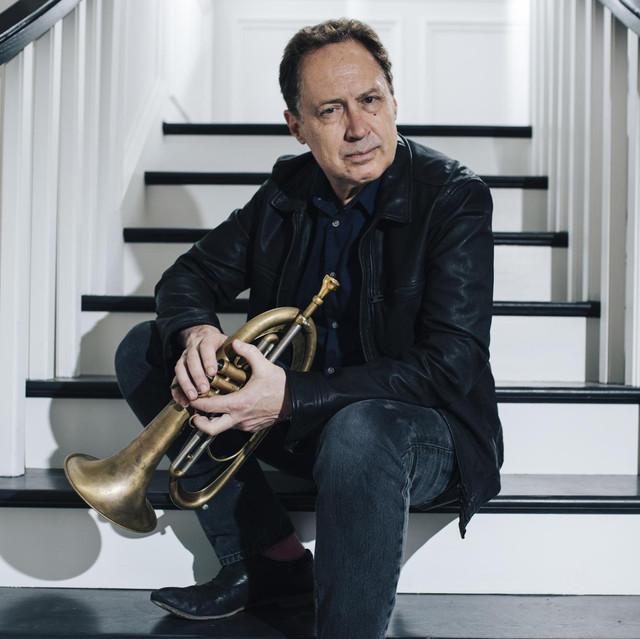
Mark Isham

Classical
Classical Crossover
Nu Jazz
 Viberate Rank: 50538
 Viberate Rank: 50538
 Monthly ListenersFollowers
 Subscribers
 Followers
 Followers
 FansTop Spotify Songs
| Track | 7-Day Streams | |
|---|---|---|
1 | 24.20K | |
2 | 17.32K | |
3 | 15.05K | |
4 | 8.46K | |
5 | 5.44K |
Top YouTube Videos| Video | 7-Day Views | |
|---|---|---|
1 | 2.43K | |
2 | 1.00K | |
3 | 873 | |
4 | 702 | |
5 | 683 |
Monthly ListenersFeatured in Playlists| Playlist | Followers | |
|---|---|---|
1 |  Cinematic Chillout Spotify | 831.40K |
2 |  New Soundtracks Spotify | 335.07K |
3 |  Soundtrack for Study Filtr Canada | 300.89K |
4 |  Movie Soundtracks & Cinematic Music (Classical & Instrumental) Tobias Schneider | 217.43K |
5 |  🗝️ IF U PLZ 🗝️ carolineplz | 63.72K |
Audience| City | Monthly Listeners | |
|---|---|---|
1 |  | 4.76K |
2 |  | 3.81K |
3 | | 2.57K |
4 |  | 2.45K |
5 |  | 2.44K |
See full performance history, audience data, playlist activity, rankings, comparisons, and more in Viberate music analytics. Start with a free trial, then continue with a paid plan.
Mark Isham’s Spotify BioTrumpeter/synth programmer Mark Isham was not only an important part of the Windham Hill stable, but also a successful and versatile composer for film and television, garnering equal acclaim for both his new age and soundtrack work. Born September 7, 1951, to a musical family in New York, Isham began studying classical music (specifically trumpet, piano, and violin) as a child. His family later moved to San Francisco, where Isham played with several local orchestras. However, he was also interested in jazz, pop, and rock music, and moonlighted with a wide variety of local bands; during the '70s, he also learned to program synthesizers. Eventually, he left classical music behind and became a touring and session musician for both jazz (Pharoah Sanders, Charles Lloyd) and pop (the Beach Boys, Van Morrison) artists. He joined jazz pianist Art Lande's Rubisa Patrol quartet, where he displayed a strong Miles Davis influence, and founded a band called Group 87 that played what was essentially… contemporary instrumental music years before the term existed as a new age subgenre (they released two albums, the first in 1980). The '80s also saw Isham continue his sideman activities, going on to play with the likes of David Sylvian, Was (Not Was), the Rolling Stones, Bruce Springsteen, Suzanne Vega, XTC, Joni Mitchell, and Willie Nelson, among many others.
1983 was a pivotal year for Isham: he released his solo debut on Windham Hill, Vapor Drawings, and scored his first film, the Disney release Never Cry Wolf. The first Windham Hill release to emphasize electronics, Vapor Drawings established Isham as a composer adept at blending synthetic and acoustic timbres and became a progressive electronic classic. Meanwhile, Never Cry Wolf quickly led to numerous other soundtrack assignments, demonstrating Isham's facility with a wide variety of musical styles and instrumental settings. Seeking wider exposure by the late '80s, Isham began recording for Virgin, although he continued to release material on Windham Hill as well. He was nominated for Grammys for Best New Age Performance for his albums Castalia (1988) and Tibet (1989), and finally won for 1990's Mark Isham. In 1992, Isham premiered his first commissioned orchestral work, Five Stories for Trumpet and Orchestra, with the St. Louis Symphony, also serving as the soloist. The same year, he was nominated for an Academy Award for his score for A River Runs Through It, which increased Hollywood's demand for his services even further; among his highest-profile assignments in the years to come were Short Cuts, Quiz Show, Kiss the Girls, Blade, the Grammy nominated Men of Honor, Save the Last Dance, Don't Say a Word, Life as a House, and The Majestic. Isham also won an Emmy for his scoring work on the television show EZ Streets, and earned nominations for Chicago Hope and Nothing Sacred. In 1995, Isham released his first album for Columbia, Blue Sun, which found him moving into full-fledged contemporary jazz. He continued in that direction with his next non-soundtrack project, the In a Silent Way tribute/reinterpretation of Miles Remembered: The Silent Way Project, issued in 1999.
Viberate is a music analytics platform built for A&Rs, artist managers, labels, booking agents, marketers, and artists.
It helps music professionals track artist growth, analyze audience data, monitor playlist activity, compare artists, follow song performance, and identify opportunities across the music market.
Public artist pages provide a free preview of selected artist data. Paid plans provide access to deeper analytics, historical data, charts, comparisons, playlist tools, exports, alerts, reports, and additional professional features.
Yes. Public Viberate artist pages provide selected artist analytics and music data for free.
Viberate also offers a 7-day free trial of the full platform. A credit card is required to start the trial. The trial includes access to the complete product so users can test deeper artist analytics, historical views, playlist insights, comparisons, charts, exports, alerts, and reporting features before choosing a paid plan.
Viberate provides artist analytics across streaming, playlists, social media, video, radio airplay, songs, and audience markets.
Users can analyze Spotify performance, Spotify and Apple Music playlists, YouTube activity, TikTok and Instagram growth, radio spins, song performance, audience locations, demographics, rankings, and overall artist momentum.
Artist profiles also connect to music charts, similar artists, and comparison tools, helping users benchmark performance and evaluate artists in context.
Viberate updates key artist and track data daily.
For followed artists and tracks, selected data is refreshed multiple times per day. This helps teams monitor playlist changes, streaming movement, audience growth, releases, and campaign performance with more current data.
Update frequency can vary depending on the metric and data source.
Yes. Viberate lets users compare up to five artists side by side across streaming, social media, audience, and engagement metrics.
Users can compare fanbase growth, audience demographics, locations, Spotify performance, social metrics, and other artist data over selected time periods.
Artist comparison can be used for A&R scouting, benchmarking, booking decisions, campaign planning, and evaluating artists with similar audiences or market positions.