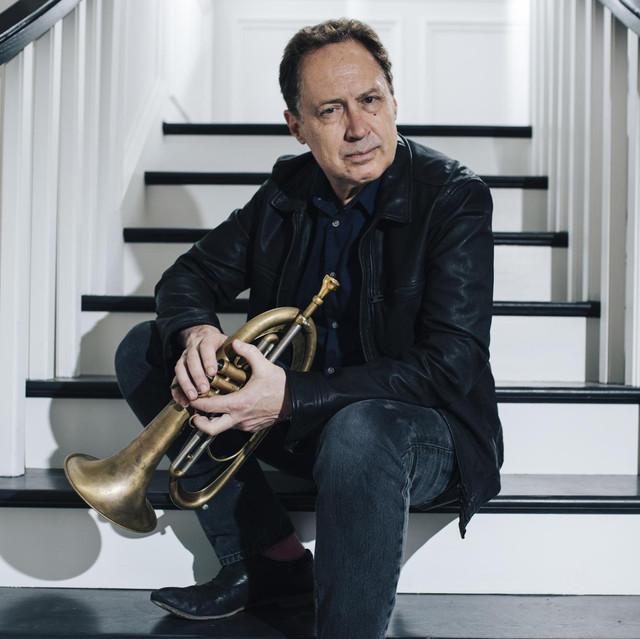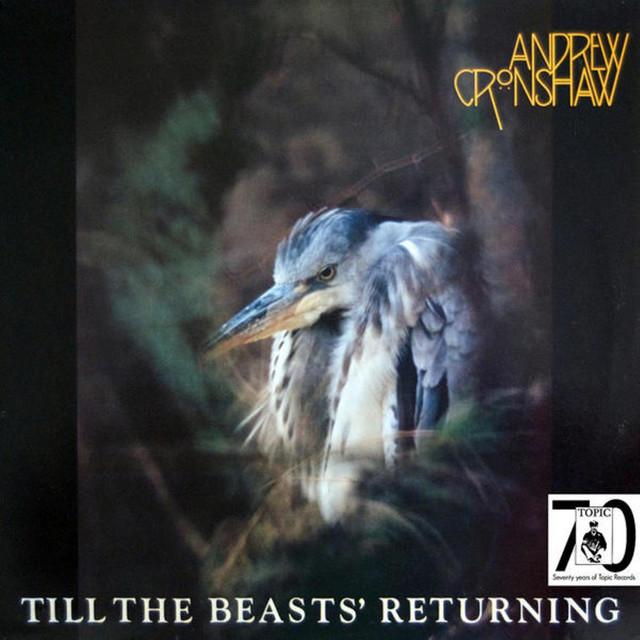
David Hirschfelder

Rock
Pop Rock
Orchestral
 Viberate Rank: 198389
 Viberate Rank: 198389
 Monthly ListenersFollowers
 Subscribers
 Followers
 Followers
 FansTop Spotify Songs
| Track | 7-Day Streams | |
|---|---|---|
1 | 7.68K | |
2 | 3.51K | |
3 | 2.88K | |
4 | 2.87K | |
5 | 1.88K |
Top YouTube VideosMonthly ListenersFeatured in Playlists| Playlist | Followers | |
|---|---|---|
1 |  Mindfulness | Calm, light, relaxing background music Filtr Switzerland | 60.82K |
2 |  Tavern Music Trent Adams | 34.77K |
3 |  Moana 2 (Original Motion Picture Soundtrack) Ahsoka Tano | 31.37K |
4 | MOVIES SOUNDTRACK CLASSIC julenmaiz | 14.48K |
5 |  Provence Work Music Jamie Beck | 12.57K |
Audience| City | Monthly Listeners | |
|---|---|---|
1 | | 1.73K |
2 | | 1.58K |
3 |  | 1.56K |
4 | | 1.47K |
5 |  | 1.45K |
See full performance history, audience data, playlist activity, rankings, comparisons, and more in Viberate music analytics. Start with a free trial, then continue with a paid plan.
David Hirschfelder’s Spotify BioDavid Hirschfelder was raised in the country township of Ballarat, about 110 kilometres northwest of Melbourne Australia. After graduating from Ballarat Grammar School in 1976, he studied music at the University of Melbourne. Making waves as a young keyboard prodigy in the late 70s, David formed the legendary improvising art-music ensemble “Pyramid”, which performed his compositions at the 1983 Montreux Jazz Festival.
From the mid-80s to early-90s, Hirschfelder was the musical director of many concert events and recordings, including John Farnham’s 1988 “Classic Jack” Tour, featuring the Melbourne Symphony Orchestra, and Harry M. Miller’s record-breaking “Jesus Christ Superstar” Arena Spectacular in 1992. Also in that same year, David’s first film-score for Baz Luhrmann’s “Strictly Ballroom” won a BAFTA (British Academy) award. In 1996 David received an Oscar nomination, an AFI and an APRA award for his “Shine” score; and in 1998 a further Oscar nomination, as well as BAFTA and APRA… awards for “Elizabeth”.
Other film-scores include "The Railway Man” (starring Colin Firth and Nicole Kidman) which won AACTA and APRA awards in 2014; Russell Crowe's "The Water Diviner", which won the 2014 FCCA Award for Best Score, and also APRA Soundtrack of the Year Award, and in December 2015, David received AACTA and APRA nominations for his eclectic score to Jocelyn Moorhouse’s "The Dressmaker", starring Kate Winslet. (© Peter Hoyland Management - www.davidhirschfelder.com)
Viberate is a music analytics platform built for A&Rs, artist managers, labels, booking agents, marketers, and artists.
It helps music professionals track artist growth, analyze audience data, monitor playlist activity, compare artists, follow song performance, and identify opportunities across the music market.
Public artist pages provide a free preview of selected artist data. Paid plans provide access to deeper analytics, historical data, charts, comparisons, playlist tools, exports, alerts, reports, and additional professional features.
Yes. Public Viberate artist pages provide selected artist analytics and music data for free.
Viberate also offers a 7-day free trial of the full platform. A credit card is required to start the trial. The trial includes access to the complete product so users can test deeper artist analytics, historical views, playlist insights, comparisons, charts, exports, alerts, and reporting features before choosing a paid plan.
Viberate provides artist analytics across streaming, playlists, social media, video, radio airplay, songs, and audience markets.
Users can analyze Spotify performance, Spotify and Apple Music playlists, YouTube activity, TikTok and Instagram growth, radio spins, song performance, audience locations, demographics, rankings, and overall artist momentum.
Artist profiles also connect to music charts, similar artists, and comparison tools, helping users benchmark performance and evaluate artists in context.
Viberate updates key artist and track data daily.
For followed artists and tracks, selected data is refreshed multiple times per day. This helps teams monitor playlist changes, streaming movement, audience growth, releases, and campaign performance with more current data.
Update frequency can vary depending on the metric and data source.
Yes. Viberate lets users compare up to five artists side by side across streaming, social media, audience, and engagement metrics.
Users can compare fanbase growth, audience demographics, locations, Spotify performance, social metrics, and other artist data over selected time periods.
Artist comparison can be used for A&R scouting, benchmarking, booking decisions, campaign planning, and evaluating artists with similar audiences or market positions.