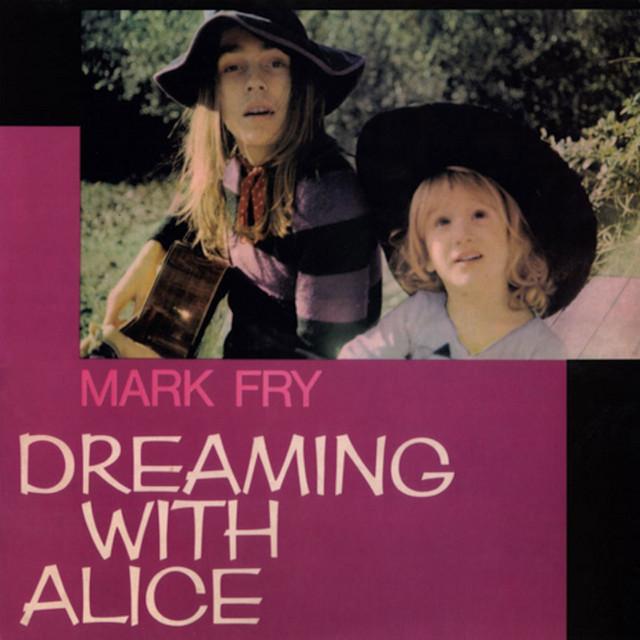
Ed Askew

Pop
Indie Pop
Indie Rock
 Viberate Rank: 245533
 Viberate Rank: 245533
 Monthly ListenersFollowers
 Subscribers
 Followers
 Followers
 FansTop Spotify Songs
| Track | 7-Day Streams | |
|---|---|---|
1 | 2.31K | |
2 | 1.08K | |
3 | 924 | |
4 | 802 | |
5 | 512 |
Top YouTube VideosMonthly ListenersFeatured in Playlists| Playlist | Followers | |
|---|---|---|
1 |  Pioneers Spotify | 94.94K |
2 | shoedream mmastodonn | 23.43K |
3 |  Ben Watt's SpinCycle Ben Watt | 23.17K |
4 |  Hot Summer Nights – Music From and Inspired by the Film. PlayStation®️ | 12.60K |
5 |  This Is Bill Callahan Spotify | 10.14K |
Audience| City | Monthly Listeners | |
|---|---|---|
1 |  | 479 |
2 | | 276 |
3 | | 260 |
4 |  | 255 |
5 |  | 253 |
See full performance history, audience data, playlist activity, rankings, comparisons, and more in Viberate music analytics. Start with a free trial, then continue with a paid plan.
Ed Askew’s Spotify BioAn enigma even by the ultra-obscure standards of ESP-Disk Records, next to nothing is known about outsider folksinger Ed Askew. Although Askew has been recording songs since the late '60s, only one album has ever been released, 1969's Ask the Unicorn. A solo recording, the album features Askew accompanying himself on the ten-stringed lute-like acoustic instrument the tiple. A Latin instrument Askew discovered as a teenager because his ukulele-playing father owned one, the tiple quickly became a passion for Askew. While studying art at Yale in the mid-'60s, Askew began performing at local poetry readings, and soon incorporated the tiple into his act. Because the tiple is a difficult instrument, with the player having to press down hard on three tightly wound strings at once to get any sound, Askew's early material has a unique and oddly strained vocal quality that comes from the difficulty of singing while playing such a demanding instrument. After graduating from Yale and getting a… teaching job in New York, Askew sent a demo tape to Bernard Stollman of the ultra-noncommercial ESP-Disk, possibly the most legendary indie label of the '60s; with his unique but attractive sound, Askew was quickly invited to record an album for the label. Easily one of the most bizarre and wonderful albums ever released by ESP-Disk, Ask the Unicorn is a psychedelic folk masterpiece, like the Holy Modal Rounders jamming with Alexander "Skip" Spence. A second album, Little Eyes, was recorded for ESP-Disk in 1970, but although it got as far as a test pressing, the label was beginning to run out of money and the album was never released. In most cases, that would be that, but while pursuing a career as a painter and poet, Askew sporadically kept up his performing career in New Haven and Boston during the '70s. Though he has never released anything commercially since Ask the Unicorn, his homemade tapes are traded on the fringe music underground. His recent music has included harpsichord, synthesizers, and drum machines along with guitar, piano, and his beloved tiple, but other than the more modern instrumentation, Askew's songs remain the same: quirky, but surprisingly accessible, with an engaging melodic sense and emotional, thoughtful lyrics that belie the easy "freaky outsider" tag that might otherwise get stuck upon him. ~ Stewart Mason, Rovi
Viberate is a music analytics platform built for A&Rs, artist managers, labels, booking agents, marketers, and artists.
It helps music professionals track artist growth, analyze audience data, monitor playlist activity, compare artists, follow song performance, and identify opportunities across the music market.
Public artist pages provide a free preview of selected artist data. Paid plans provide access to deeper analytics, historical data, charts, comparisons, playlist tools, exports, alerts, reports, and additional professional features.
Yes. Public Viberate artist pages provide selected artist analytics and music data for free.
Viberate also offers a 7-day free trial of the full platform. A credit card is required to start the trial. The trial includes access to the complete product so users can test deeper artist analytics, historical views, playlist insights, comparisons, charts, exports, alerts, and reporting features before choosing a paid plan.
Viberate provides artist analytics across streaming, playlists, social media, video, radio airplay, songs, and audience markets.
Users can analyze Spotify performance, Spotify and Apple Music playlists, YouTube activity, TikTok and Instagram growth, radio spins, song performance, audience locations, demographics, rankings, and overall artist momentum.
Artist profiles also connect to music charts, similar artists, and comparison tools, helping users benchmark performance and evaluate artists in context.
Viberate updates key artist and track data daily.
For followed artists and tracks, selected data is refreshed multiple times per day. This helps teams monitor playlist changes, streaming movement, audience growth, releases, and campaign performance with more current data.
Update frequency can vary depending on the metric and data source.
Yes. Viberate lets users compare up to five artists side by side across streaming, social media, audience, and engagement metrics.
Users can compare fanbase growth, audience demographics, locations, Spotify performance, social metrics, and other artist data over selected time periods.
Artist comparison can be used for A&R scouting, benchmarking, booking decisions, campaign planning, and evaluating artists with similar audiences or market positions.