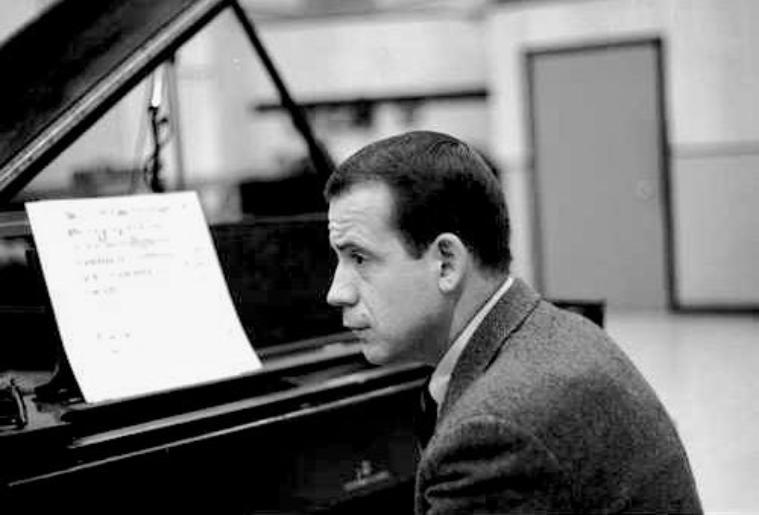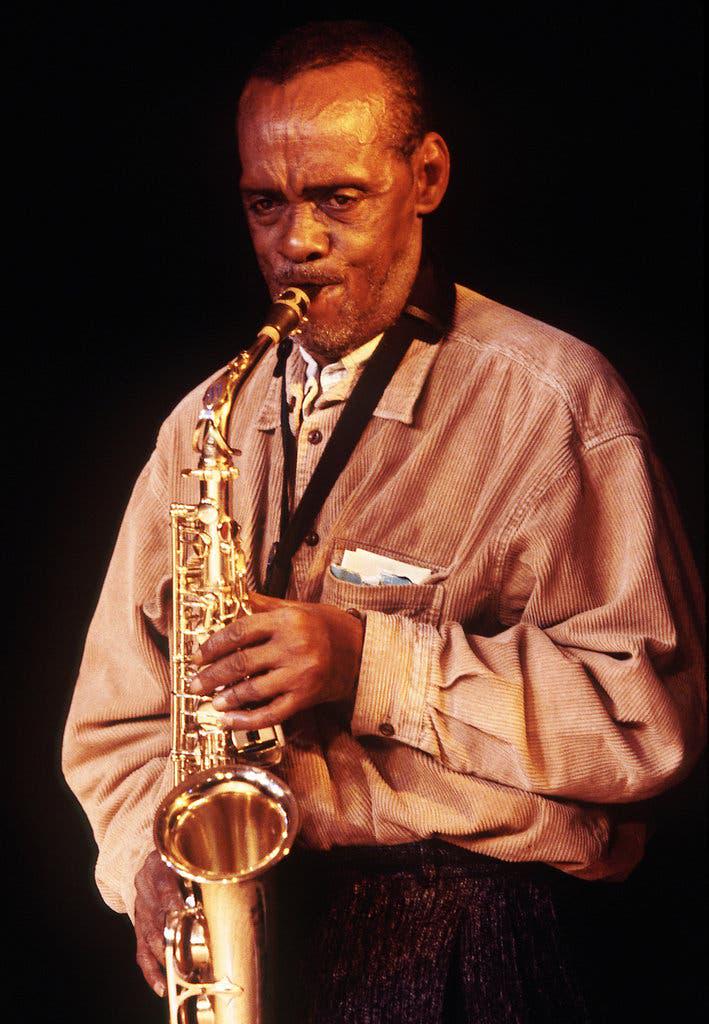
Marion Brown

Jazz
Smooth Jazz
Free Jazz
Avant-garde Jazz
 Viberate Rank: 271340
 Viberate Rank: 271340
 Monthly ListenersFollowers
 Subscribers
 Followers
 Followers
 FansTop Spotify Songs
| Track | 7-Day Streams | |
|---|---|---|
1 | 1.65K | |
2 | 1.54K | |
3 | 575 | |
4 | 459 | |
5 | 236 |
Top YouTube VideosMonthly ListenersFeatured in Playlists| Playlist | Followers | |
|---|---|---|
1 |  🪐🪐🪐🪐🪐🪐🪐🪐☼:̴͓̞̑̌̂̆̊͋̀:̸͎̟̯̂̓̌:̶̢͙͙͕̠̩͆ ⃝🟠 ̴̤̻̀(̵̙̺̳̩͐͗́͑͋̓̕͜ͅ(̵̺͖̤͌͂͑̐̕o̶̢̘͔̒̈̑̒͊v̴̢͚͚͎͎̞͒͊̎ȯ̶̞̮͖̑̈́̿ ☼:̴͓̞̑̌̂̆̊͋̀:̸͎̟̯̂̓̌:̶̢͙͙͕̠̩͆(̷̮͍͚̫͚͂̍)̵̳̗̊( 🟠🟢⦿🔵🟡\̸̧͔̰̳̦̣̪̈̏̓ ̴̡̛̅͐͛̀̽/̶̱̼̣̤̰̲̣̈́̋͌̿̄̍̊\̴̲̣̝̀͜ͅ🔴🫧✨🫧 ̵̨̛̱̥͕́̎́̐͝/̸̠̜̅̐͊̋̿̐̓\̸̧͔̰̳̦̣̪̈̏̓ ̴̡̛̅͐͛̀̽🥏🟠/̶̱̼̣̤̰̲̣̈́̋͌̿̄̍̊\̴̲̣̝̀͜ͅ💥 ̸̝̮̟̹̀̆̋̿ ̴̤̻̀🥭(̵̙̺̳̩͐͗́͑͋̓̕͜ͅ(̵̺͖̤͌͂͑̐̕o̶̢̘͔̒̈̑̒͊🔵:̸͎̟̯̂̓̌:̶̢͙͙͕̠̩͆(̷̮͍͚̫͚͂̍)̵̳̗̊(🟠🪐 Four Tet | 210.46K |
2 |  Everything Jazz EVERYTHING JAZZ | 35.31K |
3 | Old South African House MUSIC🔥😭🙌🇿🇦 Gordon Bandile Maphosa | 17.95K |
4 |  Antal // Rush Hour Choice antalrushhour | 15.47K |
5 |  Ambient Jazz アンビエントジャズ ofurodeneruhito | 13.04K |
Audience| City | Monthly Listeners | |
|---|---|---|
1 |  | 362 |
2 | | 340 |
3 | | 305 |
4 | | 269 |
5 |  | 162 |
See full performance history, audience data, playlist activity, rankings, comparisons, and more in Viberate music analytics. Start with a free trial, then continue with a paid plan.
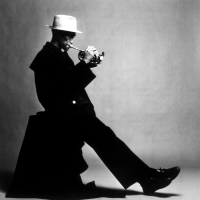
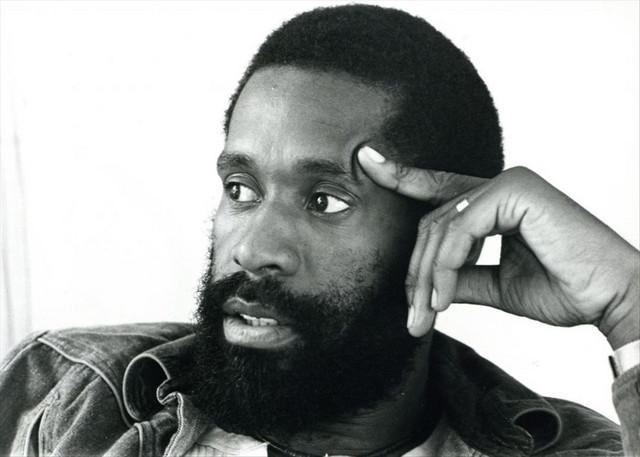
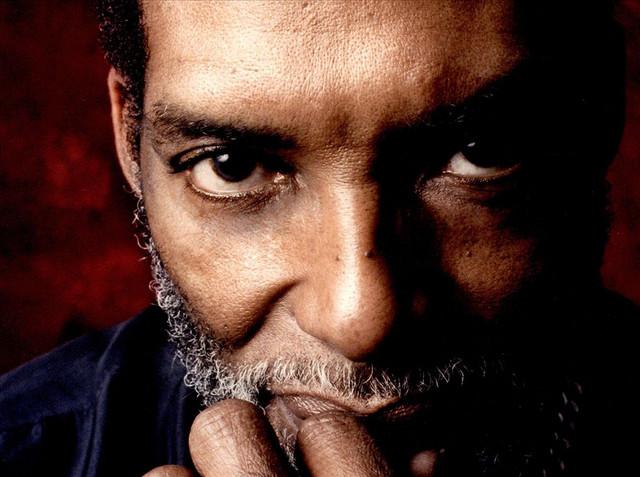
Marion Brown’s Spotify BioAlto saxophonist Marion Brown was an underappreciated hero of the jazz avant-garde. Committed to discovering the far-flung reaches of improvisational expression, Brown nonetheless possessed a truly lyrical voice but was largely ignored in discussions of free jazz of the '60s and '70s. Brown came to New York from Atlanta in 1965. His first session was playing on John Coltrane's essential Ascension album. He made two records for the ESP label in 1965 and 1966 -- Marion Brown Quartet and Why Not? -- and also played on two Bill Dixon soundtracks. It wasn't until his defining Three for Shepp (including Grachan Moncur III and Kenny Burrell) on the Impulse! label in 1966 that critics took real notice. This set, lauded as one of the best recordings of that year, opened doors for Brown (temporarily) to tour. He didn't record for another two years because of extensive European engagements, and in 1968 issued Porto Novo (with Leo Smith) on the Black Lion label. In 1970, Brown recorded Afternoon… of a Georgia Faun for the ECM label, his second classic. This date featured Anthony Braxton, Andrew Cyrille, Bennie Maupin, Jeanne Lee, and Chick Corea, among others. In 1973, he cut his second Impulse! session, Geechee Recollections, with Leo Smith. Brown registered at Wesleyan University in the mid-'70s, studying ethnic instruments and black fife-and-drum corps music and maintained a regular recording schedule. He also recorded with Gunter Hampel in the late '70s and '80s, as well as composer Harold Budd on his Pavilion of Dreams album (issued on Brian Eno's Obscure label), Steve Lacy in 1985, Mal Waldron in 1988, and many others. There are numerous duet and solo recordings that may or may not be sanctioned. Due to health problems, Brown didn't record after 1992. After the turn of the millennium he lived for a while at a New York nursing home before moving to an assisted living facility in Florida. Marion Brown died in October of 2010. ~ Thom Jurek, Rovi
Viberate is a music analytics platform built for A&Rs, artist managers, labels, booking agents, marketers, and artists.
It helps music professionals track artist growth, analyze audience data, monitor playlist activity, compare artists, follow song performance, and identify opportunities across the music market.
Public artist pages provide a free preview of selected artist data. Paid plans provide access to deeper analytics, historical data, charts, comparisons, playlist tools, exports, alerts, reports, and additional professional features.
Yes. Public Viberate artist pages provide selected artist analytics and music data for free.
Viberate also offers a 7-day free trial of the full platform. A credit card is required to start the trial. The trial includes access to the complete product so users can test deeper artist analytics, historical views, playlist insights, comparisons, charts, exports, alerts, and reporting features before choosing a paid plan.
Viberate provides artist analytics across streaming, playlists, social media, video, radio airplay, songs, and audience markets.
Users can analyze Spotify performance, Spotify and Apple Music playlists, YouTube activity, TikTok and Instagram growth, radio spins, song performance, audience locations, demographics, rankings, and overall artist momentum.
Artist profiles also connect to music charts, similar artists, and comparison tools, helping users benchmark performance and evaluate artists in context.
Viberate updates key artist and track data daily.
For followed artists and tracks, selected data is refreshed multiple times per day. This helps teams monitor playlist changes, streaming movement, audience growth, releases, and campaign performance with more current data.
Update frequency can vary depending on the metric and data source.
Yes. Viberate lets users compare up to five artists side by side across streaming, social media, audience, and engagement metrics.
Users can compare fanbase growth, audience demographics, locations, Spotify performance, social metrics, and other artist data over selected time periods.
Artist comparison can be used for A&R scouting, benchmarking, booking decisions, campaign planning, and evaluating artists with similar audiences or market positions.