Pete Jolly

Jazz
Bebop
Smooth Jazz
 Viberate Rank: 254938
 Viberate Rank: 254938
 Monthly ListenersFollowers
 Subscribers
 Followers
 Followers
 FansTop Spotify Songs
| Track | 7-Day Streams | |
|---|---|---|
1 | 4.74K | |
2 | 4.38K | |
3 | 594 | |
4 | 475 | |
5 | 337 |
Top YouTube VideosMonthly ListenersFeatured in Playlists| Playlist | Followers | |
|---|---|---|
1 | Bossa Nova & Brazilian Jazz masakic_records | 52.91K |
2 |  JAZZ CHILLOUT 1296362009 | 44.19K |
3 |  Indications' Inspirations Durand Jones & The Indications | 35.68K |
4 | Unofficial Reverb Radio Jeff Ferruzzo | 21.82K |
5 |  Now Again - Egon's Selections Egon | 14.10K |
Audience| City | Monthly Listeners | |
|---|---|---|
1 | | 748 |
2 |  | 593 |
3 | | 540 |
4 | | 493 |
5 |  | 386 |
See full performance history, audience data, playlist activity, rankings, comparisons, and more in Viberate music analytics. Start with a free trial, then continue with a paid plan.
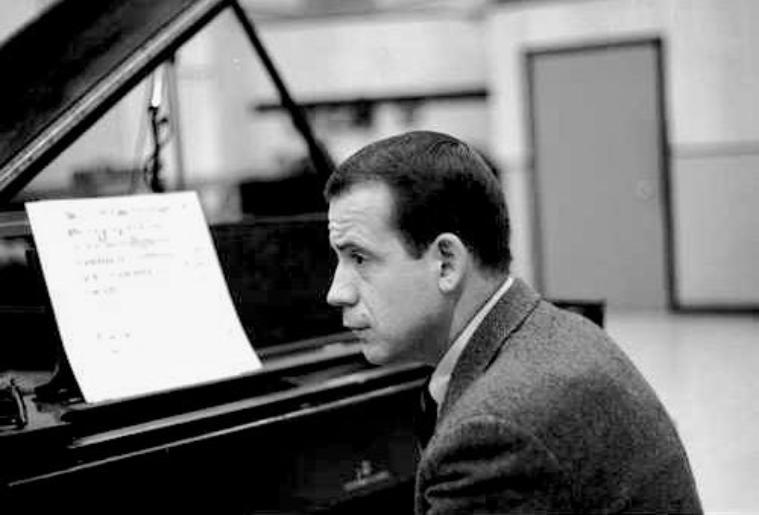
Pete Jolly’s Spotify BioA powerful pianist who came to fame on the West Coast in the 1950s, Pete Jolly has been a fixture in Los Angeles for over 40 years. He started on accordion when he was three and began piano when he was eight. He played his first job when he was 12. In 1946, his family moved to Phoenix and the following year, he joined the Musicians Union and started working extensively in clubs. During a visit to Los Angeles in 1954, Jolly sat in at the Lighthouse, which led to him joining Shorty Rogers' Giants (1954-1956). He recorded three albums as a leader for Victor in 1956 (taking rare jazz accordion solos on a few tracks), worked with Buddy DeFranco, Terry Gibbs, Richie Kamuca, Chet Baker, and Art Pepper, among, others in the late '50s and had a surprise hit with "Little Bird" in 1963. Jolly became a busy studio musician in the 1960s, but has led his trio with bassist Chuck Berghofer and drummer Nick Martinis regularly in local clubs for over 30 years. In addition to RCA, Pete Jolly has recorded… for Metrojazz, MGM, Ava, Charlie Parker Records, Columbia, A&M, Atlas, Holt, and V.S.O.P. as a leader. ~ Scott Yanow, Rovi
Viberate is a music analytics platform built for A&Rs, artist managers, labels, booking agents, marketers, and artists.
It helps music professionals track artist growth, analyze audience data, monitor playlist activity, compare artists, follow song performance, and identify opportunities across the music market.
Public artist pages provide a free preview of selected artist data. Paid plans provide access to deeper analytics, historical data, charts, comparisons, playlist tools, exports, alerts, reports, and additional professional features.
Yes. Public Viberate artist pages provide selected artist analytics and music data for free.
Viberate also offers a 7-day free trial of the full platform. A credit card is required to start the trial. The trial includes access to the complete product so users can test deeper artist analytics, historical views, playlist insights, comparisons, charts, exports, alerts, and reporting features before choosing a paid plan.
Viberate provides artist analytics across streaming, playlists, social media, video, radio airplay, songs, and audience markets.
Users can analyze Spotify performance, Spotify and Apple Music playlists, YouTube activity, TikTok and Instagram growth, radio spins, song performance, audience locations, demographics, rankings, and overall artist momentum.
Artist profiles also connect to music charts, similar artists, and comparison tools, helping users benchmark performance and evaluate artists in context.
Viberate updates key artist and track data daily.
For followed artists and tracks, selected data is refreshed multiple times per day. This helps teams monitor playlist changes, streaming movement, audience growth, releases, and campaign performance with more current data.
Update frequency can vary depending on the metric and data source.
Yes. Viberate lets users compare up to five artists side by side across streaming, social media, audience, and engagement metrics.
Users can compare fanbase growth, audience demographics, locations, Spotify performance, social metrics, and other artist data over selected time periods.
Artist comparison can be used for A&R scouting, benchmarking, booking decisions, campaign planning, and evaluating artists with similar audiences or market positions.