Marcy Playground

Rock
Alternative Rock
 Viberate Rank: 16530
 Viberate Rank: 16530
 Monthly ListenersFollowers
 Subscribers
 Followers
 Followers
 FansTop Spotify Songs
| Track | 7-Day Streams | |
|---|---|---|
1 | 1.16M | |
2 | 73.88K | |
3 | 43.15K | |
4 | 30.68K | |
5 | 20.45K |
Top YouTube VideosMonthly ListenersFeatured in Playlists| Playlist | Followers | |
|---|---|---|
1 |  90s Acoustic Spotify | 2.45M |
2 |  Rock Solid Spotify | 1.88M |
3 |  90s Pop Rock Spotify | 1.53M |
4 | Best '90s Alternative Playlist Ever jasonrb | 795.03K |
5 |  Classic Rock Songs 60s 70s 80s 90s Music-Hits_. | 788.24K |
Audience| City | Monthly Listeners | |
|---|---|---|
1 |  | 47.19K |
2 | | 44.73K |
3 | | 44.44K |
4 | | 40.30K |
5 | | 37.05K |
See full performance history, audience data, playlist activity, rankings, comparisons, and more in Viberate music analytics. Start with a free trial, then continue with a paid plan.
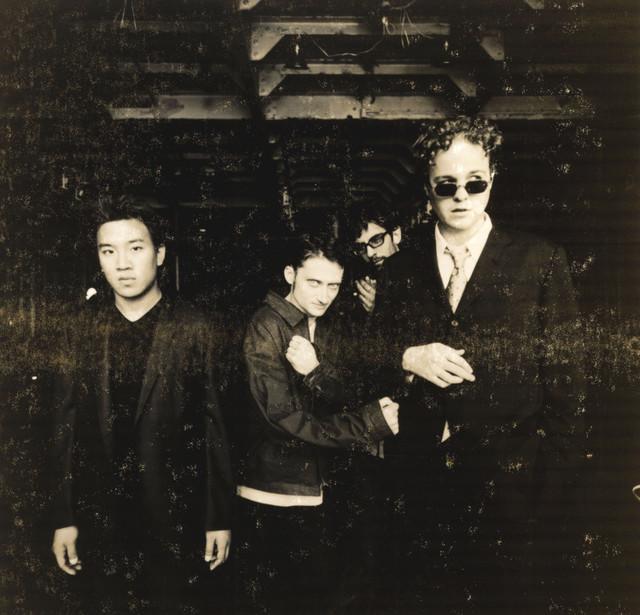
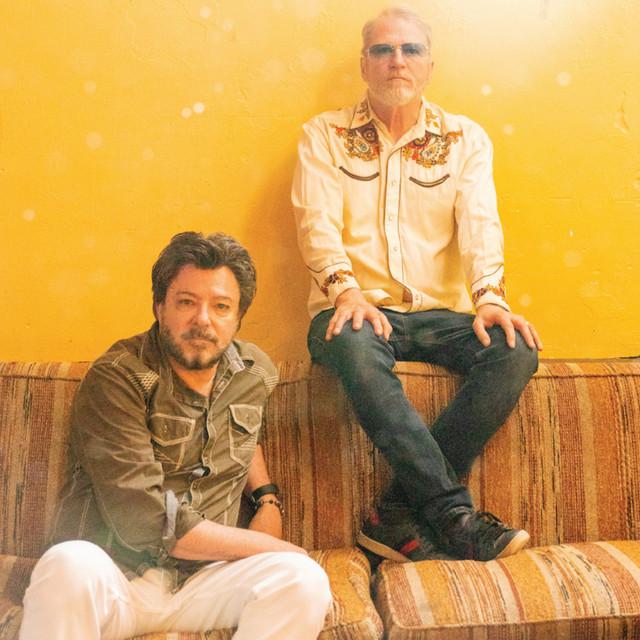
Marcy Playground’s Spotify BioAlthough the members of Marcy Playground met in New York City during the mid-'90s, both singer/guitarist John Wozniak and bassist Dylan Keefe originally hailed from Minneapolis, and drummer Dan Rieser grew up in Ohio. The group took its name from the Marcy Open School, an experimental elementary school that Wozniak attended in the late '70s. Wozniak was intimidated by a few other students during his time at Marcy Open, and he ultimately refused to join his peers on the school's playground during recess. Subsequently, the singer claimed that this tough period of his life served as "a foundation for a future self." In one of the band's first bios, he explained, "The strange way in which I see the world today can be directly traced back to the time when, as a little boy, I sat paralyzed by the unfortunate realities of life as I looked out of a school window and down onto the Marcy Playground."
Keefe attended another nearby school -- a sister school, of sorts, to the one that Wozniak… attended -- but it wasn't until both Minneapolis natives moved to N.Y.C. that they first crossed paths. Introduced via acclaimed jazz guitarist Kurt Rosenwinkel, the two realized they shared similar tastes in music and soon decided to form a band. Keefe recommended an old college friend, Rieser, to play drums for the group, which led to the official birth of Marcy Playground.
The group eventually signed a recording contract with Capitol Records and released a self-titled debut album in February 1997. Several months after the album's release, rock radio picked up on the group's single "Sex and Candy" (comparable to Nirvana's more tranquil moments), which pushed the album up the U.S. charts and, eventually, to platinum certification. The trio began work on a second full-length effort, trying to avoid the dreaded sophomore jinx that so many other rock bands have fallen prey to after scoring an inaugural hit. Marcy Playground proved ultimately susceptible to the aforementioned "curse," as the resulting album, 1999's Shapeshifter, was widely panned by critics and sank from sight shortly after its release. The group shrank away from the spotlight but continued releasing albums, with MP3 arriving in 2004 and Leaving Wonderland...In a Fit of Rage following in 2009. The remix album, Indaba Remixes from Wonderland -- featuring remixed versions of tracks off Leaving Wonderland -- appeared in 2010. ~ Greg Prato, Rovi
Viberate is a music analytics platform built for A&Rs, artist managers, labels, booking agents, marketers, and artists.
It helps music professionals track artist growth, analyze audience data, monitor playlist activity, compare artists, follow song performance, and identify opportunities across the music market.
Public artist pages provide a free preview of selected artist data. Paid plans provide access to deeper analytics, historical data, charts, comparisons, playlist tools, exports, alerts, reports, and additional professional features.
Yes. Public Viberate artist pages provide selected artist analytics and music data for free.
Viberate also offers a 7-day free trial of the full platform. A credit card is required to start the trial. The trial includes access to the complete product so users can test deeper artist analytics, historical views, playlist insights, comparisons, charts, exports, alerts, and reporting features before choosing a paid plan.
Viberate provides artist analytics across streaming, playlists, social media, video, radio airplay, songs, and audience markets.
Users can analyze Spotify performance, Spotify and Apple Music playlists, YouTube activity, TikTok and Instagram growth, radio spins, song performance, audience locations, demographics, rankings, and overall artist momentum.
Artist profiles also connect to music charts, similar artists, and comparison tools, helping users benchmark performance and evaluate artists in context.
Viberate updates key artist and track data daily.
For followed artists and tracks, selected data is refreshed multiple times per day. This helps teams monitor playlist changes, streaming movement, audience growth, releases, and campaign performance with more current data.
Update frequency can vary depending on the metric and data source.
Yes. Viberate lets users compare up to five artists side by side across streaming, social media, audience, and engagement metrics.
Users can compare fanbase growth, audience demographics, locations, Spotify performance, social metrics, and other artist data over selected time periods.
Artist comparison can be used for A&R scouting, benchmarking, booking decisions, campaign planning, and evaluating artists with similar audiences or market positions.