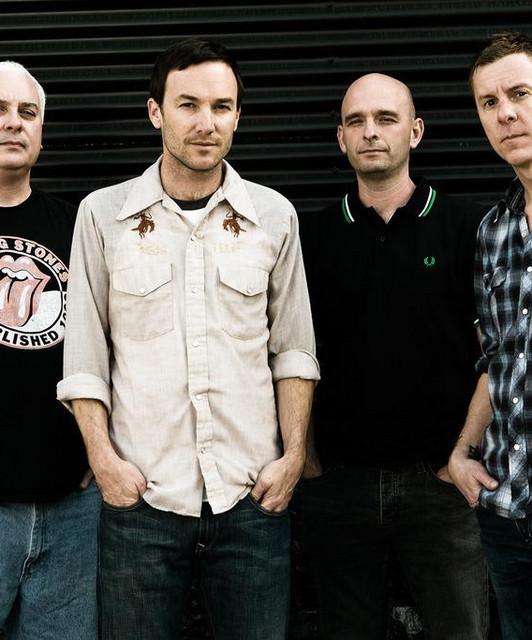
Harvey Danger

Rock
Indie Rock
Pop Rock
 Viberate Rank: 29571
 Viberate Rank: 29571
 Monthly ListenersFollowers
 Subscribers
 Followers
 Followers
 FansTop Spotify Songs
| Track | 7-Day Streams | |
|---|---|---|
1 | 727.17K | |
2 | 6.83K | |
3 | 5.62K | |
4 | 5.24K | |
5 | 2.80K |
Top YouTube VideosMonthly ListenersFeatured in Playlists| Playlist | Followers | |
|---|---|---|
1 |  90s Rock Anthems Spotify | 6.78M |
2 |  90s Pop Rock Spotify | 1.53M |
3 |  90s Road Trip Spotify | 1.40M |
4 | Best '90s Alternative Playlist Ever jasonrb | 795.03K |
5 |  90’s Bangers chris_topher_ | 368.60K |
Audience| City | Monthly Listeners | |
|---|---|---|
1 | | 31.74K |
2 |  | 23.42K |
3 | | 23.22K |
4 | | 22.00K |
5 | | 21.78K |
See full performance history, audience data, playlist activity, rankings, comparisons, and more in Viberate music analytics. Start with a free trial, then continue with a paid plan.
Harvey Danger’s Spotify BioAlthough formed in Seattle during grunge's heyday, Harvey Danger took inspiration from a wide range of influences, from hometown heroes like Nirvana and Mudhoney to such melodic cult bands as the Pixies, the Buzzcocks, and Ride. The group began taking shape in 1992, when University of Washington students Sean Nelson (vocals), Jeff Lin (guitar), Aaron Huffman (bass), and Evan Sult (drums) came together to play cover songs at college parties. In time, the group developed a rabid cult following thanks to their original material, and in 1996, they teamed with renowned local producer John Goodmanson to record the songs that would later comprise their 1997 debut LP, Where Have All the Merrymakers Gone? Originally released by the indie label Arena Rock, the album was soon picked up by Slash Records after the infectious single "Flagpole Sitta" became a local hit; the track then became a national smash during the summer of 1998, faring well on modern rock radio while also cracking the Top 40.
Tw…o years later, the follow-up album, King James Version, arrived. Like the band's debut, it was filled with melodic, sardonic, tightly wound alt rock. King James Version received very little support from the label, however, and Harvey Danger ultimately disappeared from the national radar. The bandmates retreated to Seattle, played in various projects around town, and enjoyed their status as cult stars. As 2004 rolled around, Harvey Danger chose to celebrate the band's tenth anniversary by returning to the drawing board and composing new material. Kill Rock Stars climbed on board by issuing the Cream & Bastards Rise EP, and Little by Little... -- Harvey Danger's third full-length album -- appeared on the band's own Phonographic imprint in 2005. The album was also made available as a free download from Harvey Danger's website. Four years later, the band decided to throw in the towel, with a series of shows (including three in Seattle) serving as their last hurrah. ~ Jason Ankeny, Rovi
Viberate is a music analytics platform built for A&Rs, artist managers, labels, booking agents, marketers, and artists.
It helps music professionals track artist growth, analyze audience data, monitor playlist activity, compare artists, follow song performance, and identify opportunities across the music market.
Public artist pages provide a free preview of selected artist data. Paid plans provide access to deeper analytics, historical data, charts, comparisons, playlist tools, exports, alerts, reports, and additional professional features.
Yes. Public Viberate artist pages provide selected artist analytics and music data for free.
Viberate also offers a 7-day free trial of the full platform. A credit card is required to start the trial. The trial includes access to the complete product so users can test deeper artist analytics, historical views, playlist insights, comparisons, charts, exports, alerts, and reporting features before choosing a paid plan.
Viberate provides artist analytics across streaming, playlists, social media, video, radio airplay, songs, and audience markets.
Users can analyze Spotify performance, Spotify and Apple Music playlists, YouTube activity, TikTok and Instagram growth, radio spins, song performance, audience locations, demographics, rankings, and overall artist momentum.
Artist profiles also connect to music charts, similar artists, and comparison tools, helping users benchmark performance and evaluate artists in context.
Viberate updates key artist and track data daily.
For followed artists and tracks, selected data is refreshed multiple times per day. This helps teams monitor playlist changes, streaming movement, audience growth, releases, and campaign performance with more current data.
Update frequency can vary depending on the metric and data source.
Yes. Viberate lets users compare up to five artists side by side across streaming, social media, audience, and engagement metrics.
Users can compare fanbase growth, audience demographics, locations, Spotify performance, social metrics, and other artist data over selected time periods.
Artist comparison can be used for A&R scouting, benchmarking, booking decisions, campaign planning, and evaluating artists with similar audiences or market positions.