Marco Zaffarano

Electronic
Techno
Minimal Techno
 Viberate Rank: 370416
 Viberate Rank: 370416
 Monthly ListenersFollowers
 Subscribers
 Followers
 Followers
 FansTop Spotify Songs
| Track | 7-Day Streams | |
|---|---|---|
1 | 122 | |
2 | 29 | |
3 | 25 | |
4 | 24 | |
5 | 18 |
Top YouTube VideosMonthly ListenersFeatured in Playlists| Playlist | Followers | |
|---|---|---|
1 |  Beatport Best New Techno (Peak Time / Driving) Beatport | 20.33K |
2 |  EDM - House - Electro - Dance ofennel | 6.03K |
3 |  Giggly Squad Hannah Berner | 4.31K |
4 |  Progressive House Classics Darius G 🎧 | 3.49K |
5 |  HÖR Berlin | Techno Beam Scōtch | 2.64K |
Audience| City | Monthly Listeners | |
|---|---|---|
1 |  | 28 |
2 | | 23 |
3 | | 18 |
4 | | 17 |
5 |  | 17 |
See full performance history, audience data, playlist activity, rankings, comparisons, and more in Viberate music analytics. Start with a free trial, then continue with a paid plan.
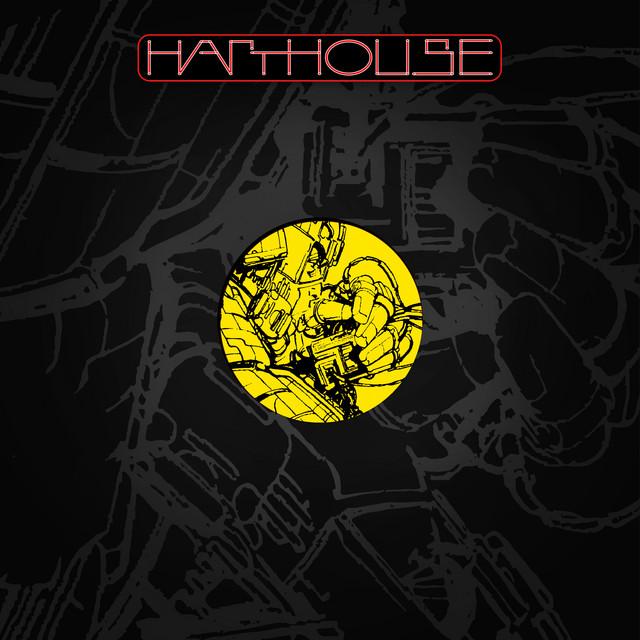
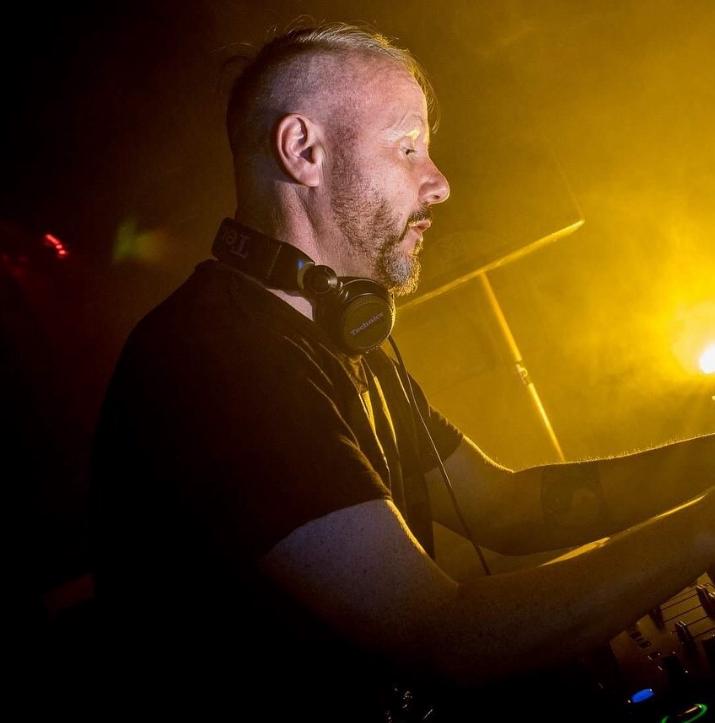
Marco Zaffarano’s Spotify BioGerman techno/trance artist Marco Zaffarano is both a DJ and producer. Zaffarano first got involved in dance music in 1987, upon discovering the acid house and electronic styles, giving DJing a try in the Stuttgart, Germany area. It was in Stuttgart that Zaffarano landed his first DJ residency during 1990 at a club called Oz, which led to Zaffarano producing his own tracks, as well. When a demo worked its way into the hands of one of Germany's top DJ/producers, Sven Väth, Zaffarano was quickly signed to Väth's record label, Harthouse, and issued his debut release, the Minimalism EP, Series I-IV (produced by Jurgen Kreschel). Come 1993, Zaffarano had ended his residency at Oz, as he set his sights on other dance markets throughout the world, switching record labels and finding a new producing partner, Ben Elvis Mettin (aka Mikerobenics). Zaffarano's first full-length album (a concept record, nonetheless, which centered around the theme of a circus) was issued in 1996, He Once Was a… Beautiful Woman, which was followed up two years later with the double-disc Minimalism (which contained one disc of new compositions, while the other disc collected all of Zaffarano's productions for Harthouse from 1992 through 1995). In 1999, Zaffarano had once more united with his original producer, Kreschel, as the pair remixed songs for Metal Master and Ayla, and penned a new song, "For My Love." Zaffarano welcomed in the 21st century by continuing to perform DJ sets throughout the world. ~ Greg Prato, Rovi
Viberate is a music analytics platform built for A&Rs, artist managers, labels, booking agents, marketers, and artists.
It helps music professionals track artist growth, analyze audience data, monitor playlist activity, compare artists, follow song performance, and identify opportunities across the music market.
Public artist pages provide a free preview of selected artist data. Paid plans provide access to deeper analytics, historical data, charts, comparisons, playlist tools, exports, alerts, reports, and additional professional features.
Yes. Public Viberate artist pages provide selected artist analytics and music data for free.
Viberate also offers a 7-day free trial of the full platform. A credit card is required to start the trial. The trial includes access to the complete product so users can test deeper artist analytics, historical views, playlist insights, comparisons, charts, exports, alerts, and reporting features before choosing a paid plan.
Viberate provides artist analytics across streaming, playlists, social media, video, radio airplay, songs, and audience markets.
Users can analyze Spotify performance, Spotify and Apple Music playlists, YouTube activity, TikTok and Instagram growth, radio spins, song performance, audience locations, demographics, rankings, and overall artist momentum.
Artist profiles also connect to music charts, similar artists, and comparison tools, helping users benchmark performance and evaluate artists in context.
Viberate updates key artist and track data daily.
For followed artists and tracks, selected data is refreshed multiple times per day. This helps teams monitor playlist changes, streaming movement, audience growth, releases, and campaign performance with more current data.
Update frequency can vary depending on the metric and data source.
Yes. Viberate lets users compare up to five artists side by side across streaming, social media, audience, and engagement metrics.
Users can compare fanbase growth, audience demographics, locations, Spotify performance, social metrics, and other artist data over selected time periods.
Artist comparison can be used for A&R scouting, benchmarking, booking decisions, campaign planning, and evaluating artists with similar audiences or market positions.