andy düx

Electronic
Techno
Tech House
 Viberate Rank: 394561
 Viberate Rank: 394561
 Monthly ListenersFollowers
 Subscribers
 Followers
 Followers
 FansTop Spotify Songs
| Track | 7-Day Streams | |
|---|---|---|
1 | 51 | |
2 | 41 | |
3 | 35 | |
4 | 30 | |
5 | 18 |
Top YouTube VideosMonthly ListenersFeatured in Playlists| Playlist | Followers | |
|---|---|---|
1 |  Slap House & Club & Pop | Car Music 2026 Kiwistage | 2.72K |
2 |  EDM PARADISE BLX RECORDS | 2.23K |
3 |  Flaix FM 2027 | Calibre 45 Shape Records | 1.37K |
4 |  Game State | 🎮 Mainstage Techno Be Yourself Music | 1.33K |
5 | Jane Fitz || Animals On Psychedelics kyleloyan | 1.07K |
Audience| City | Monthly Listeners | |
|---|---|---|
1 | | 74 |
2 | | 22 |
3 | | 20 |
4 | | 16 |
5 | | 15 |
See full performance history, audience data, playlist activity, rankings, comparisons, and more in Viberate music analytics. Start with a free trial, then continue with a paid plan.
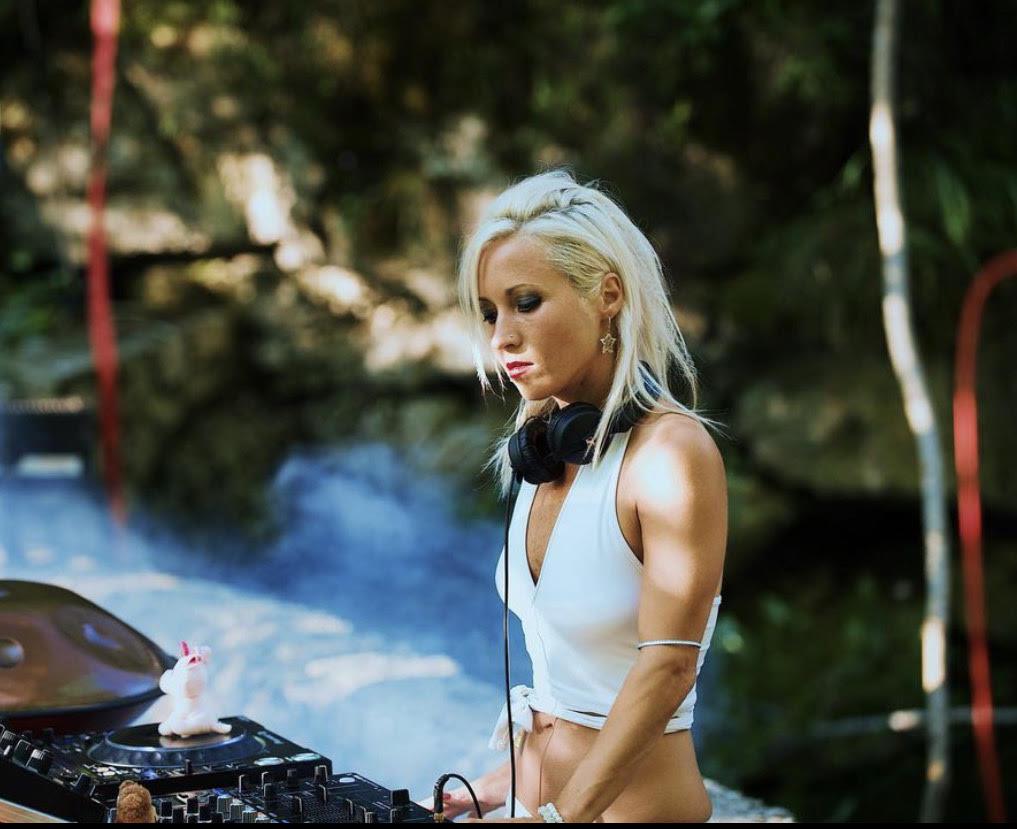
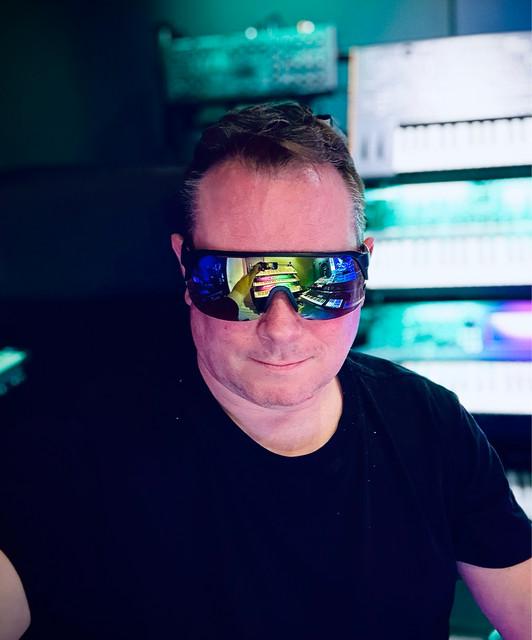
andy düx’s Spotify BioIn 1980, he stood at the turntables for the first time at Tanzschule Bier. He then got his first ever residency in 1983, where he would perform every Sunday from 6pm through to midnight at the Big Apple in Wiesbaden.
In 1987, along with Udo Niebergall, he founded Project Voyou and broke straight into the American charts with the song Houseman. Since then he went from strength to strength and eventually took over Beatdisaster (a recording studio in Reinheim near Darmstadt) with Udo Niebergall in 1989. Together, they then founded Overdrive; their first techno label which still exists today. With over 20,000 Vinyls sold, “Don’t Stop” by Mark NRG was one of the label’s cult hits.
In 1990, Talla 2XLC introduced him as the resident DJ at Dorian Gray. In the years that followed, he played at almost every major national and international event (Mayday, Time Warp, Nature One, Nightmare in Rotterdam, Rave City, Loveparade, etc.).
Since 1990, he has had spots at the Palazzo in Bingen and the Safahi… Lounge in Mainz. He has also been working on the Vinyl Players Mainz project with his friend Dillmanski since 2014.
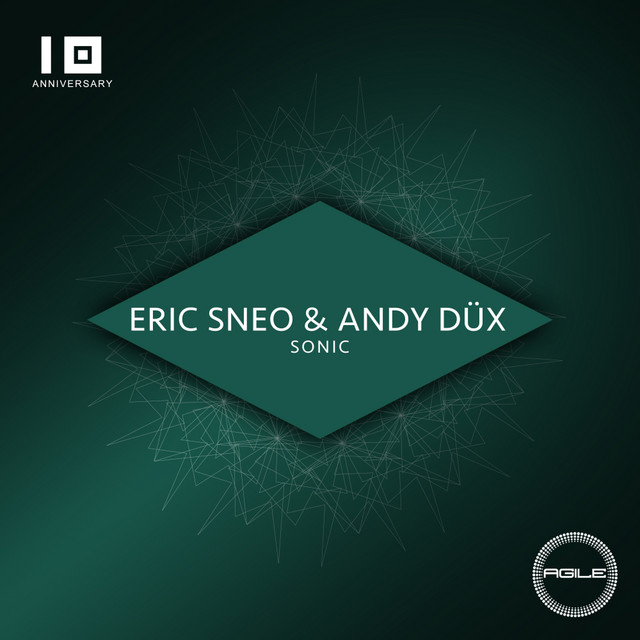
Now, after more than 15 years, he is working with Eric Sneo & Oliver Bach on new tracks which released this year!
Viberate is a music analytics platform built for A&Rs, artist managers, labels, booking agents, marketers, and artists.
It helps music professionals track artist growth, analyze audience data, monitor playlist activity, compare artists, follow song performance, and identify opportunities across the music market.
Public artist pages provide a free preview of selected artist data. Paid plans provide access to deeper analytics, historical data, charts, comparisons, playlist tools, exports, alerts, reports, and additional professional features.
Yes. Public Viberate artist pages provide selected artist analytics and music data for free.
Viberate also offers a 7-day free trial of the full platform. A credit card is required to start the trial. The trial includes access to the complete product so users can test deeper artist analytics, historical views, playlist insights, comparisons, charts, exports, alerts, and reporting features before choosing a paid plan.
Viberate provides artist analytics across streaming, playlists, social media, video, radio airplay, songs, and audience markets.
Users can analyze Spotify performance, Spotify and Apple Music playlists, YouTube activity, TikTok and Instagram growth, radio spins, song performance, audience locations, demographics, rankings, and overall artist momentum.
Artist profiles also connect to music charts, similar artists, and comparison tools, helping users benchmark performance and evaluate artists in context.
Viberate updates key artist and track data daily.
For followed artists and tracks, selected data is refreshed multiple times per day. This helps teams monitor playlist changes, streaming movement, audience growth, releases, and campaign performance with more current data.
Update frequency can vary depending on the metric and data source.
Yes. Viberate lets users compare up to five artists side by side across streaming, social media, audience, and engagement metrics.
Users can compare fanbase growth, audience demographics, locations, Spotify performance, social metrics, and other artist data over selected time periods.
Artist comparison can be used for A&R scouting, benchmarking, booking decisions, campaign planning, and evaluating artists with similar audiences or market positions.