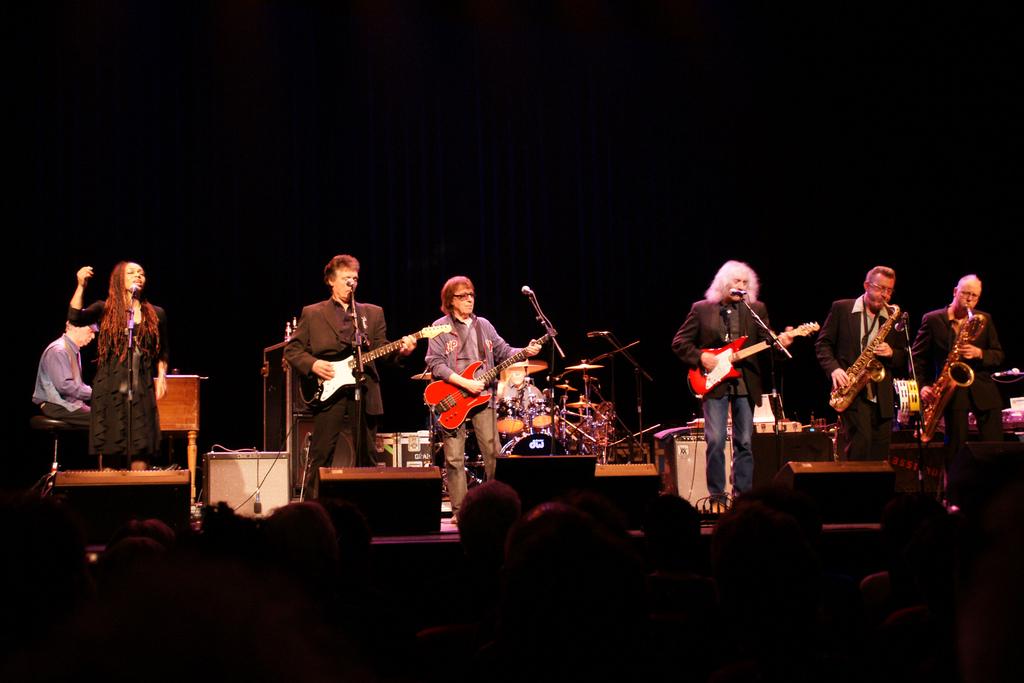
Marcia Ball

Blues
Contemporary Blues
 Viberate Rank: 120269
 Viberate Rank: 120269
 Monthly ListenersFollowers
 Subscribers
 Followers
 Followers
 FansTop Spotify Songs
| Track | 7-Day Streams | |
|---|---|---|
1 | 3.95K | |
2 | 3.90K | |
3 | 3.60K | |
4 | 3.30K | |
5 | 2.60K |
Top YouTube Videos| Video | 7-Day Views | |
|---|---|---|
1 | 18 | |
2 | 3 |
Monthly ListenersFeatured in Playlists| Playlist | Followers | |
|---|---|---|
1 |  Women of Blues Spotify | 273.74K |
2 |  Funky Blues Spotify | 67.72K |
3 |  Don's Tunes | Blues & Jazz Playlist | Official Don's Tunes | 50.97K |
4 | Slow Blues The Blues Room | 28.09K |
5 | Zydeco Greatest Hits John | 17.28K |
Audience| City | Monthly Listeners | |
|---|---|---|
1 |  | 708 |
2 | | 698 |
3 | | 503 |
4 |  | 471 |
5 |  | 418 |
See full performance history, audience data, playlist activity, rankings, comparisons, and more in Viberate music analytics. Start with a free trial, then continue with a paid plan.
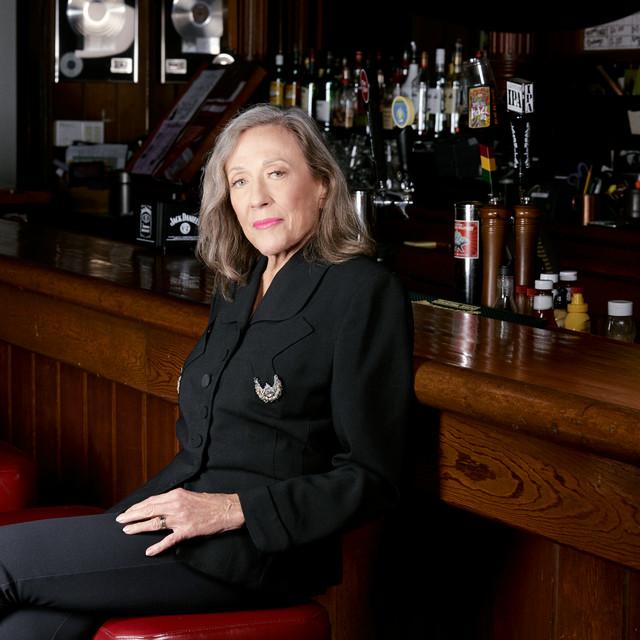
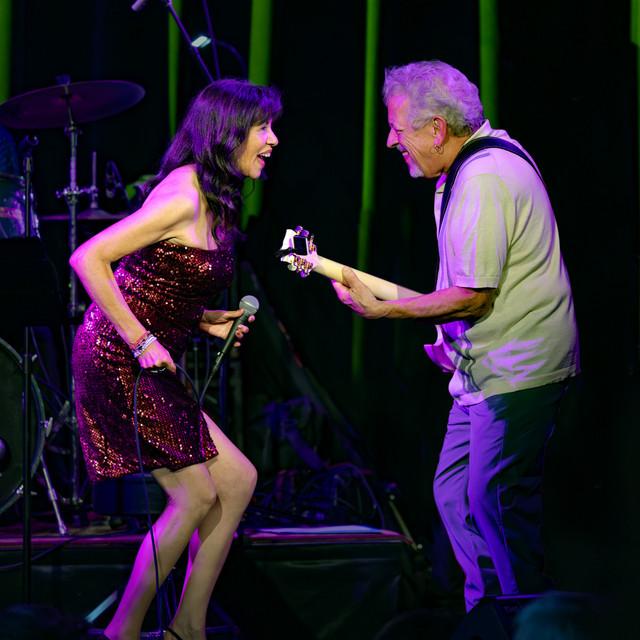
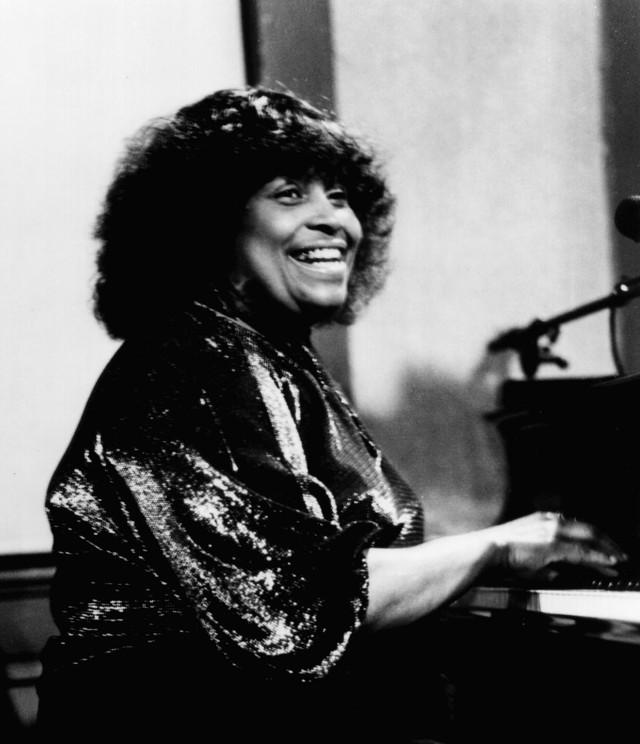
Marcia Ball’s Spotify BioPianist and singer/songwriter Marcia Ball is a living example of how East Texas blues meets Southwest Louisiana swamp rock. Ball was born March 20, 1949, in Orange, Texas, but grew up across the border in Vinton, Louisiana. That town is squarely in the heart of "the Texas Triangle," an area that includes portions of both states and has produced some of the country's greatest blues talents, including Janis Joplin, Johnny and Edgar Winter, Queen Ida Guillory, Lonnie Brooks, Zachary Richard, and Clifton Chenier, to name a few. Ball's earliest awareness of blues came over the radio, where she heard people like Irma Thomas, Professor Longhair, and Etta James, all of whom she credits as influences. She began playing piano at age five, learning from her grandmother and aunt while also taking formal lessons from a teacher.
Ball entered Louisiana State University in the late '60s as an English major; in college, she played in the psychedelic rock & roll band Gum. In 1970, Ball and her first… husband were headed west in their car to San Francisco, but the car needed repairs in Austin, Texas, where they had stopped off to visit one of their former bandmates. After experiencing some of the music, sights, and food in Austin, the two decided to stay. Ball has been based in Austin ever since. Ball landed a record deal with Capitol Records, who issued the country-leaning Circuit Queen in 1971. The album made little commercial impact, and she soon joined Freda & the Firedogs, an outlaw country group who cut an album for Atlantic in 1972 (produced by Jerry Wexler) that went unreleased until 2002 due to contractual problems. She continued to work with the band, who issued a live album in 1979, while playing solo gigs in which she honed her signature piano style, mixing equal parts boogie-woogie with zydeco and Louisiana swamp rock.
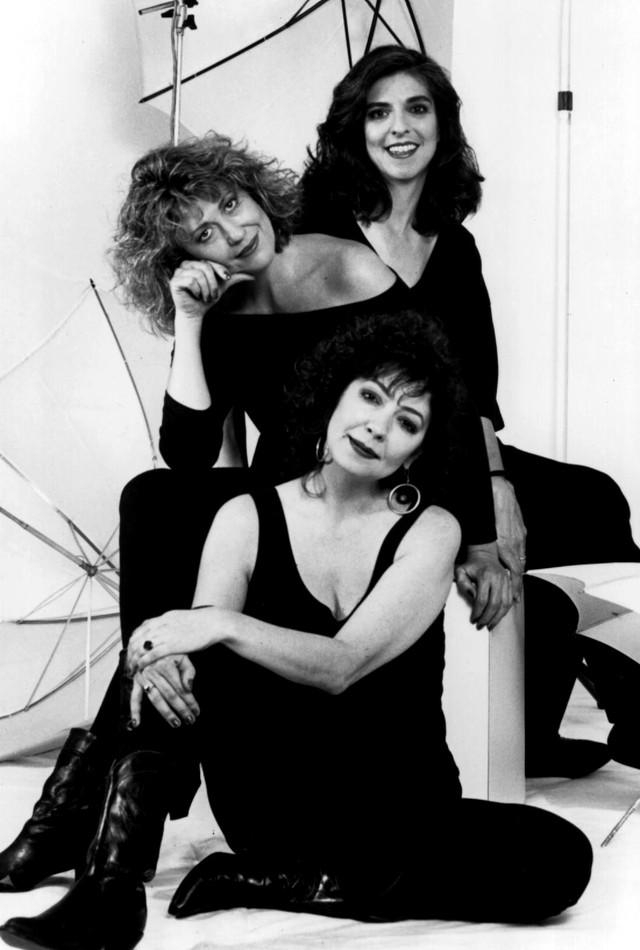
In time, Ball landed a deal with Rounder Records, who released her second solo album, Soulful Dress, in 1983. The album connected with blues fans as Ball began winning a loyal audience though her energetic live shows, as well as her strength as a vocalist and songwriter. She regularly returned to the studio, with Rounder releasing 1985's Hot Tamale Baby, 1989's Gatorhythms, and 1994's Blue House. Ball also collaborated with vocalists Angela Strehli and Lou Ann Barton on Dreams Come True, issued in 1990 by Antone's Records.
In the late '90s, Ball released her final discs under the Rounder banner, Let Me Play with Your Poodle (1997) and Sing It! (1998). The latter featured Ball teaming with Irma Thomas and Tracy Nelson, including both solo performances and combined energy. The album generated well-deserved recognition for all three women when it was nominated for both a Grammy and a W.C. Handy Blues Award as Best Contemporary Blues Album. After earning critical praise for her Rounder recordings, Ball signed with the well-respected blues label Alligator Records in 2000 and released her first album for the label, Presumed Innocent, in 2001. While maintaining a busy touring schedule, playing clubs and festivals throughout the United States, Canada, and Europe, Ball still found time to visit the recording studio on a regular basis, with Alligator releasing So Many Rivers in 2003, the live album Down the Road in 2005, Peace, Love & BBQ in 2008, and Roadside Attractions in 2011.
For the 2014 release The Tattooed Lady and the Alligator Man, Ball brought along a few special guests, including Texas blues veteran Delbert McClinton, Cajun accordion ace Terrance Simien, and frequent Leonard Cohen collaborator Roscoe Beck. Ball hit the road after the album's release, keeping up her typically busy touring schedule, while making guest appearances on albums by Tommy Castro & the Painkillers (2014's The Devil You Know) and Mitch Woods (2017's Friends Along the Way). Ball headed back to the studio for 2018's Shine Bright, produced by Los Lobos saxman Steve Berlin. ~ Richard Skelly, Al Campbell & Mark Deming, Rovi
Viberate is a music analytics platform built for A&Rs, artist managers, labels, booking agents, marketers, and artists.
It helps music professionals track artist growth, analyze audience data, monitor playlist activity, compare artists, follow song performance, and identify opportunities across the music market.
Public artist pages provide a free preview of selected artist data. Paid plans provide access to deeper analytics, historical data, charts, comparisons, playlist tools, exports, alerts, reports, and additional professional features.
Yes. Public Viberate artist pages provide selected artist analytics and music data for free.
Viberate also offers a 7-day free trial of the full platform. A credit card is required to start the trial. The trial includes access to the complete product so users can test deeper artist analytics, historical views, playlist insights, comparisons, charts, exports, alerts, and reporting features before choosing a paid plan.
Viberate provides artist analytics across streaming, playlists, social media, video, radio airplay, songs, and audience markets.
Users can analyze Spotify performance, Spotify and Apple Music playlists, YouTube activity, TikTok and Instagram growth, radio spins, song performance, audience locations, demographics, rankings, and overall artist momentum.
Artist profiles also connect to music charts, similar artists, and comparison tools, helping users benchmark performance and evaluate artists in context.
Viberate updates key artist and track data daily.
For followed artists and tracks, selected data is refreshed multiple times per day. This helps teams monitor playlist changes, streaming movement, audience growth, releases, and campaign performance with more current data.
Update frequency can vary depending on the metric and data source.
Yes. Viberate lets users compare up to five artists side by side across streaming, social media, audience, and engagement metrics.
Users can compare fanbase growth, audience demographics, locations, Spotify performance, social metrics, and other artist data over selected time periods.
Artist comparison can be used for A&R scouting, benchmarking, booking decisions, campaign planning, and evaluating artists with similar audiences or market positions.