Lou Ann Barton

Blues
Contemporary Blues
 Viberate Rank: 210571
 Viberate Rank: 210571
 Monthly ListenersFollowers
 Subscribers
 Followers
 Followers
 FansTop Spotify Songs
| Track | 7-Day Streams | |
|---|---|---|
1 | 7.87K | |
2 | 4.07K | |
3 | 3.90K | |
4 | 2.55K | |
5 | 896 |
Top YouTube VideosMonthly ListenersFeatured in Playlists| Playlist | Followers | |
|---|---|---|
1 |  Lone Star Blues Spotify | 184.29K |
2 |  Slow Blues & Blues Rock | Don's Tunes Don's Tunes | 19.74K |
3 |  #Frankymostro frankymostro | 17.16K |
4 |  The Best Female Blues & Jazz Vocals | Don's Tunes Don's Tunes | 14.96K |
5 |  JAZZ FUSION FUNK AND SOUL Jazz Fusion Funk&Soul | 11.91K |
Audience| City | Monthly Listeners | |
|---|---|---|
1 |  | 554 |
2 | | 519 |
3 | | 399 |
4 |  | 356 |
5 | | 339 |
See full performance history, audience data, playlist activity, rankings, comparisons, and more in Viberate music analytics. Start with a free trial, then continue with a paid plan.
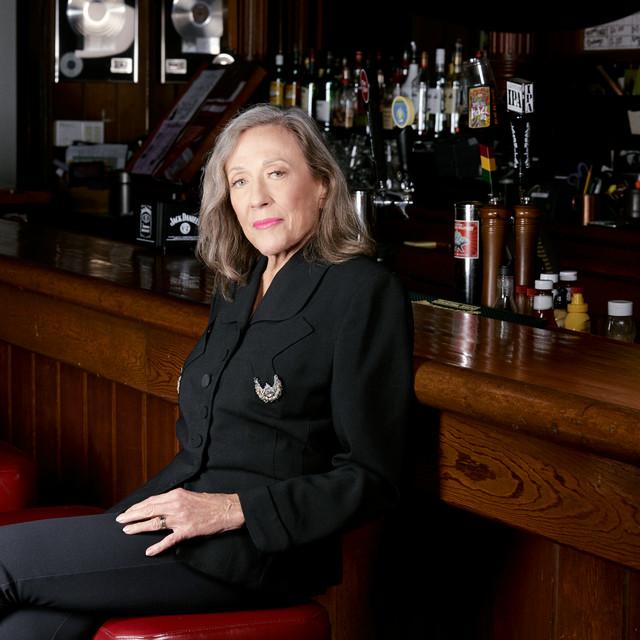
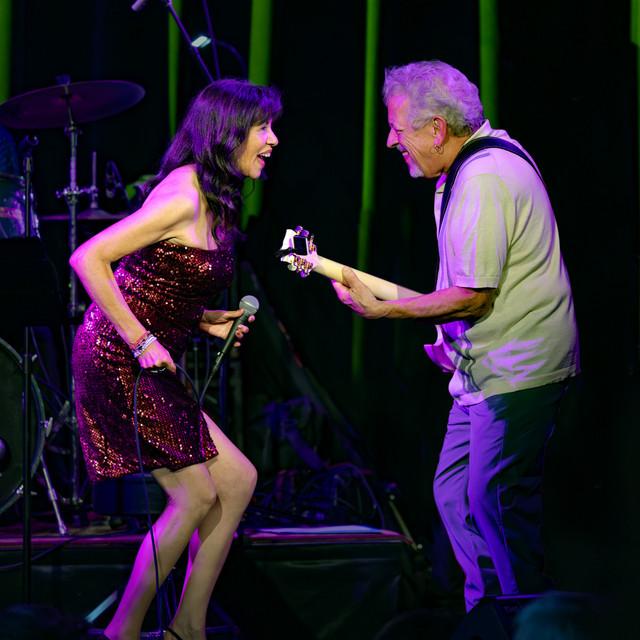
Lou Ann Barton’s Spotify BioAlthough she doesn't tour or record anywhere near as much as she probably could, Austin Texas-based singer Lou Ann Barton is among the finest purveyors of raw, emotional roadhouse blues, jump blues, and R&B one is likely to encounter. She can belt out a lyric with so much power and authority that she can be heard over a two-guitar band with horns and drums. Over the course of four decades, she has worked with a who's-who of American bluesmen and women including Marcia Ball, W.C. Clark, Angela Strehli, Stevie Ray and Jimmie Vaughan, Sue Foley, Omar Kent Dykes, Roomful of Blues, and many more. While she has only a few albums to her credit, all are acclaimed by blues enthusiasts. Some of the earliest dates, including 1982's Old Enough and 1986's Forbidden Tones, are bona fide collectors' items. Barton's last recorded appearance was as a billed, featured guest on Jimmie Vaughan's Plays More Blues, Ballads & Favorites in 2011, though she remains extremely active on the Texas club scene.
Born… February 17, 1954 in Fort Worth, Barton has played literally thousands of dancehall and nightclub gigs all over Texas and the United States. She moved to Austin in the mid-'70s and joined Stevie Ray Vaughan and W.C. Clark in the band Triple Threat Revue. After Clark left in 1978, Vaughan renamed the band Double Trouble; Barton remained until November 1979. There is an unofficial recording from this period at the Austin Festival, of her singing with Vaughan. In 1980 she left Texas for a short time for Rhode Island, where she'd secured a spot as a vocalist with Roomful of Blues alongside singer and sax player Greg Piccolo and guitarist Ronnie Earle, though she never recorded with them. She won her own recording contract with David Geffen's Asylum Records, releasing Old Enough in 1982. The set, produced by Jerry Wexler and Glenn Frey, featured a who's-who of session greats including the Muscle Shoals Horns, Barry Beckett, Jimmie Vaughan, and many more. Soon afterward she performed somewhat regularly with Vaughan in the Fabulous Thunderbirds. While Old Enough was received warmly by critics, it was a commercial flop due to a lack of promotion by the label. Though she continued to perform as a headliner and with other artists, she didn't record again until she issued Forbidden Tones for Spindletop in 1986. She produced the set herself and cut it live in studio. It's a rough, rowdy, passionate affair that included an all-star cast including drummer Jerry Marotta, and guitarists Jimmie Vaughan, David Grissom, David Mansfield, Dean Parks, and Richie Zito. Barton promoted it on the blues club circuit across the country. In 1989 she was back in the recording studio. She appeared on Marcia Ball's Gatorhythms for Rounder, and released her own Read My Lips for Austin's newly established Antone's label. It was another star-studded affair with saxophonist David "Fathead" Newman, pianist Mel Brown, guitarist Derek O'Brien, and organist Reese Wynans among her sidemen. Reviews were universally positive for Barton's iconic interpretations of R&B, jump blues, and early rock and roll songs by Little Richard, Naomi Neville, Hank Ballard, and others. The following year she teamed with Ball and Angela Strehli for the universally acclaimed Dreams Come True for Antone's, and performed "Don't Slander Me" on the Sire-issued, various-artists compilation, Where the Pyramid Meets the Eye: A Tribute to Roky Erickson. Other contributors included Julian Cope, Richard Lloyd, Doug Sahm, and T-Bone Burnett. Barton toured the country and Europe with Strehli and Ball to sold-out houses and rave reviews.
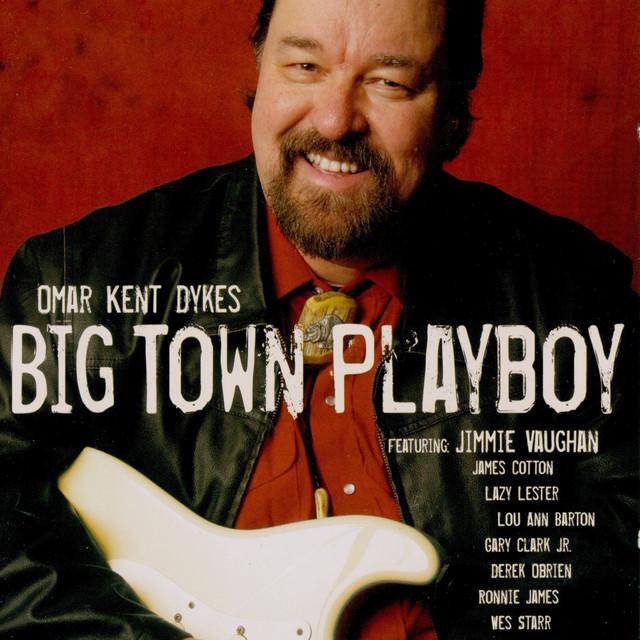
In 1992, she guested on Alejandro Escovedo's debut solo album Gravity, and had Old Enough reissued by Antone's. A year later, she participated in the recording sessions for Stephen Bruton's debut solo offering What It Is. In 1994, she sang on Jimmie Vaughan's Epic debut Strange Pleasure, and a year later recorded with Roky Erickson on his All That May Do My Rhyme. The session work and live gigs kept Barton busy. She sang on Nuno Mindelis' Texas Bound (alongside Double Trouble's rhythm section, bassist Tommy Shannon and drummer Chris Layton), and Vaughan's Do You Get the Blues? in 2001. Other than a couple of guest spots on a Jimmy Reed tribute, Barton was absent from the recording scene until 2007 when she sang on Vaughan's and Dykes' On the Jimmy Reed Highway in 2007. It was the beginning of renewed recording activity for the singer. She did more work with Dykes in the studio and on the road, and sang on Vaughan's Plays Blues, Ballads & Favorites and Johnny Moeller's BlooGaLoo! in 2010. She was co-billed on Vaughan's Plays More Blues, Ballads & Favorites in 2011 -- despite the fact she only sang on two tracks -- the sessions also included her old Roomful of Blues bandmate Piccolo on saxophone. Barton works only when she wants to. She has to be seen live to be fully appreciated. Her confident stage swagger is balanced by a presence that embodies not only energy but grace and poise. She is a globally recognized member of the female blues singing lineage -- so much so, that if she wanted, she could work all the time; there are numerous artists around the world who would jump at the chance to record or play on-stage with her. ~ Richard Skelly, Rovi
Viberate is a music analytics platform built for A&Rs, artist managers, labels, booking agents, marketers, and artists.
It helps music professionals track artist growth, analyze audience data, monitor playlist activity, compare artists, follow song performance, and identify opportunities across the music market.
Public artist pages provide a free preview of selected artist data. Paid plans provide access to deeper analytics, historical data, charts, comparisons, playlist tools, exports, alerts, reports, and additional professional features.
Yes. Public Viberate artist pages provide selected artist analytics and music data for free.
Viberate also offers a 7-day free trial of the full platform. A credit card is required to start the trial. The trial includes access to the complete product so users can test deeper artist analytics, historical views, playlist insights, comparisons, charts, exports, alerts, and reporting features before choosing a paid plan.
Viberate provides artist analytics across streaming, playlists, social media, video, radio airplay, songs, and audience markets.
Users can analyze Spotify performance, Spotify and Apple Music playlists, YouTube activity, TikTok and Instagram growth, radio spins, song performance, audience locations, demographics, rankings, and overall artist momentum.
Artist profiles also connect to music charts, similar artists, and comparison tools, helping users benchmark performance and evaluate artists in context.
Viberate updates key artist and track data daily.
For followed artists and tracks, selected data is refreshed multiple times per day. This helps teams monitor playlist changes, streaming movement, audience growth, releases, and campaign performance with more current data.
Update frequency can vary depending on the metric and data source.
Yes. Viberate lets users compare up to five artists side by side across streaming, social media, audience, and engagement metrics.
Users can compare fanbase growth, audience demographics, locations, Spotify performance, social metrics, and other artist data over selected time periods.
Artist comparison can be used for A&R scouting, benchmarking, booking decisions, campaign planning, and evaluating artists with similar audiences or market positions.