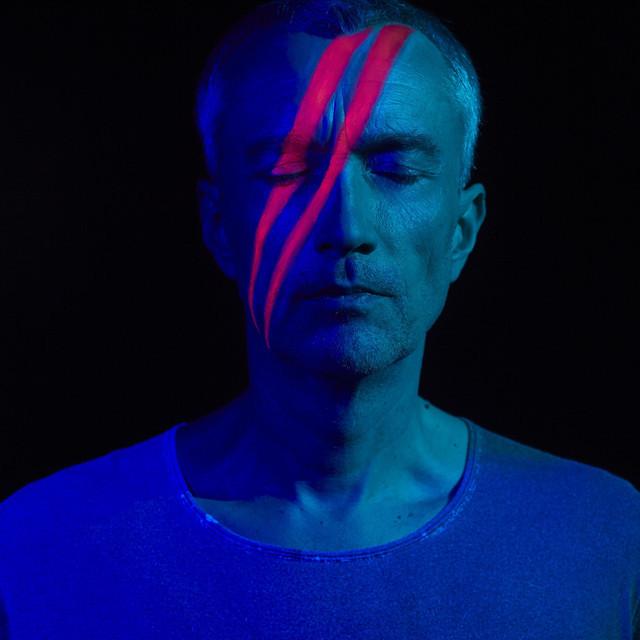
M.A.N.D.Y.

Electronic
Deep House
Minimal Techno
 Viberate Rank: 63069
 Viberate Rank: 63069
 Monthly ListenersFollowers
 Subscribers
 Followers
 Followers
 FansTop Spotify Songs
| Track | 7-Day Streams | |
|---|---|---|
1 | 208.68K | |
2 | 8.11K | |
3 | 5.95K | |
4 | 5.95K | |
5 | 5.95K |
Top YouTube VideosMonthly ListenersFeatured in Playlists| Playlist | Followers | |
|---|---|---|
1 |  Minimal Techno alekzanther | 127.23K |
2 |  Let’s Get Physical - Your House Workout Get Physical Music | 91.01K |
3 |  🧳 OUTLIER PLAYLIST Thiago Finch | 66.78K |
4 |  NPR Tiny Desk Concerts: compilation Tatiana Mangericão | 64.21K |
5 |  OUTLIER FOCUS Thiago Finch | 52.22K |
Audience| City | Monthly Listeners | |
|---|---|---|
1 |  | 5.11K |
2 |  | 4.37K |
3 |  | 4.14K |
4 | | 4.11K |
5 |  | 2.89K |
See full performance history, audience data, playlist activity, rankings, comparisons, and more in Viberate music analytics. Start with a free trial, then continue with a paid plan.
M.A.N.D.Y.’s Spotify BioParty thrower since the mid-'90s, Berlin-based DJ and producer M.A.N.D.Y. aka Patrick Bodmer became visible within the dance community on a global scale shortly after the release of the first two mix albums, Get Physical (which summarized the label of the same name's first two years) and the initial volume in the Get Physical label's Body Language series. M.A.N.D.Y. and Booka Shade often collaborated on remixes and tracks, including a 2005 hit single also called "Body Language" and the remake of Laurie Andersons "O Supaman" Bodmer and his former band partner Philipp Jung, along with DJ T. and Booka Shade, were responsible for Get Physical, which became one of Germany's most popular dance labels by its tenth release. M.A.N.D.Y. subsequently provided mixes for other labels, including At the Controls (Resist, 2006), Fabric 38 (Fabric, 2008) and Renaissance: The Mix Collection (Renaissance, 2009). Following collaborations with Bob Moses, and Dubspeeka, as well as remixes for Roxy Music,… Röyskopp, The Knife and Underworld to name just a few. In 2016 long-awaited debut artist album Double Fantasy was released, incl. collaborations with the iconic Jungle Brothers and the classical and experimental pianist Francesco Tristano and Lopazz. 2018 signaled the beginning of a new era for M.A.N.D.Y, since Philipp Jung left the band, Bodmer will continue to fly the flag under the M.A.N.D.Y. alias, bringing with him a slightly altered ethos and vision.
Viberate is a music analytics platform built for A&Rs, artist managers, labels, booking agents, marketers, and artists.
It helps music professionals track artist growth, analyze audience data, monitor playlist activity, compare artists, follow song performance, and identify opportunities across the music market.
Public artist pages provide a free preview of selected artist data. Paid plans provide access to deeper analytics, historical data, charts, comparisons, playlist tools, exports, alerts, reports, and additional professional features.
Yes. Public Viberate artist pages provide selected artist analytics and music data for free.
Viberate also offers a 7-day free trial of the full platform. A credit card is required to start the trial. The trial includes access to the complete product so users can test deeper artist analytics, historical views, playlist insights, comparisons, charts, exports, alerts, and reporting features before choosing a paid plan.
Viberate provides artist analytics across streaming, playlists, social media, video, radio airplay, songs, and audience markets.
Users can analyze Spotify performance, Spotify and Apple Music playlists, YouTube activity, TikTok and Instagram growth, radio spins, song performance, audience locations, demographics, rankings, and overall artist momentum.
Artist profiles also connect to music charts, similar artists, and comparison tools, helping users benchmark performance and evaluate artists in context.
Viberate updates key artist and track data daily.
For followed artists and tracks, selected data is refreshed multiple times per day. This helps teams monitor playlist changes, streaming movement, audience growth, releases, and campaign performance with more current data.
Update frequency can vary depending on the metric and data source.
Yes. Viberate lets users compare up to five artists side by side across streaming, social media, audience, and engagement metrics.
Users can compare fanbase growth, audience demographics, locations, Spotify performance, social metrics, and other artist data over selected time periods.
Artist comparison can be used for A&R scouting, benchmarking, booking decisions, campaign planning, and evaluating artists with similar audiences or market positions.