DJ Pierre

Electronic
House
Techno
Tech House
 Viberate Rank: 79467
 Viberate Rank: 79467
 Monthly ListenersFollowers
 Subscribers
 Followers
 Followers
 FansTop Spotify Songs
| Track | 7-Day Streams | |
|---|---|---|
1 | 3.17K | |
2 | 2.03K | |
3 | 1.21K | |
4 | 1.06K | |
5 | 960 |
Top YouTube VideosMonthly ListenersFeatured in Playlists| Playlist | Followers | |
|---|---|---|
1 |  303 Classics Spotify | 154.76K |
2 |  Acid House Spotify | 131.18K |
3 |  Green Velvet's track IDs Spotify | 75.69K |
4 |  Living Room House @chrisluno | 47.47K |
5 |  Jazz Funk & Groove Guillermo Lanzani Lagomarsino | 36.08K |
Audience| City | Monthly Listeners | |
|---|---|---|
1 |  | 983 |
2 |  | 621 |
3 |  | 597 |
4 |  | 480 |
5 | | 457 |
See full performance history, audience data, playlist activity, rankings, comparisons, and more in Viberate music analytics. Start with a free trial, then continue with a paid plan.
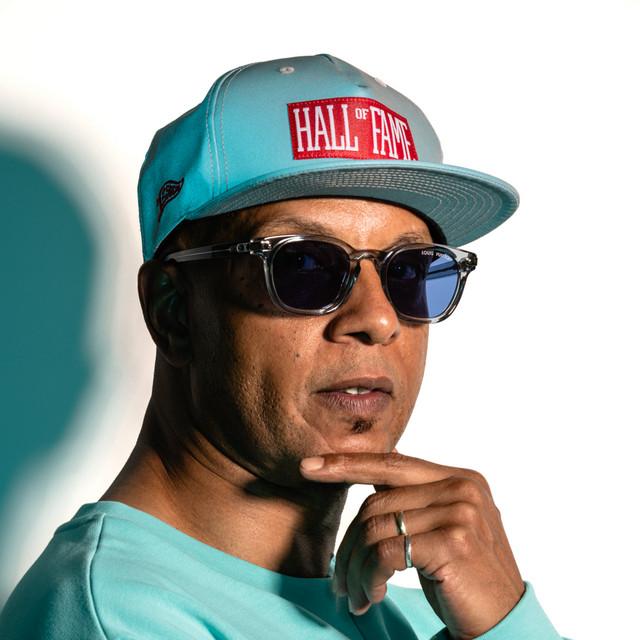
DJ Pierre’s Spotify BioBesides being a crucial DJ and the production wizard partly responsible for the development of Chicago acid-house, DJ Pierre later influenced the sound of New York's more disco-fied house with his tenure as an in-house producer for Strictly Rhythm Records. Born in the Chicago suburbs, Nathaniel Pierre Jones was influenced by the Hot Mix Five, the pioneering DJ team which lit up Chicago's radio airwaves during the early '80s with dance megamixes. Jones later began DJing himself, though he preferred the sound of Italian disco to the blend of soul and American disco which Chicago DJs like Ron Hardy were playing out. When his friend Spanky brought him to the Music Box to hear Ron Hardy in person though, Pierre was convinced -- he began spinning records more akin to the burgeoning house sound as well. DJ Pierre began recording on the side with Spanky and another friend named Herb J, working on tracks with an old drum machine and synthesizers.
One of the synthesizers in their studio was the… Roland TB-303, a bass-line generator introduced only in the past few years but already a relic littering junk stores at inexpensive prices. After a period of experimentation, the three hit upon an intriguing sound made when the box was pitched much higher than its normal operating frequencies; the squelchy psychedelic sounds enlivened their recordings and more than convinced Ron Hardy to begin playing one track on his reel-to-reel setup at the Music Box. Known at the club as "Ron Hardy's Acid Tracks" and quickly re-recorded for a 1986 release by the three billed as Phuture, "Acid Trax" became one of the biggest house records of the time, the starting point for a whole new style later termed acid house as a tribute. Reportedly, thousands of soundalike records flooded the local market in the next few years, and the originators quickly became forgotten amidst the wash of imitators. DJ Pierre kept busy, working on the act Pierre's Phantasy Club with Felix Da Housecat and producing another genuine house classic with "String Free" by Phortune, but then left Phuture in 1990 with a relocation to New York.
His first single once in Gotham was Photon Inc.'s "Generate Power," a dancefloor barnstormer released on the relatively mainstream dance label Strictly Rhythm. "Generate Power" was the formal debut for Pierre's new production method the Wild Pitch, created with a quickly backspun sample which generated a crispy lightning-strike of sound similar to the acid squelch. Besides featuring on a host of DJ Pierre remixes and productions, it became standard fare for scores of producers during the next few years, just as the sound of the TB-303 had earlier. Pierre continued to remix and produce for Strictly Rhythm and Twisted/MCA, finding additional club hits with "Live & Die" by Audio Clash, another Photon Inc.. track named "Love," "Follow Me" by Aly-Us and "Sound Blaster" by Joint Venture. He also hosted a slew of mix compilations throughout the 1990s. ~ John Bush, Rovi
Viberate is a music analytics platform built for A&Rs, artist managers, labels, booking agents, marketers, and artists.
It helps music professionals track artist growth, analyze audience data, monitor playlist activity, compare artists, follow song performance, and identify opportunities across the music market.
Public artist pages provide a free preview of selected artist data. Paid plans provide access to deeper analytics, historical data, charts, comparisons, playlist tools, exports, alerts, reports, and additional professional features.
Yes. Public Viberate artist pages provide selected artist analytics and music data for free.
Viberate also offers a 7-day free trial of the full platform. A credit card is required to start the trial. The trial includes access to the complete product so users can test deeper artist analytics, historical views, playlist insights, comparisons, charts, exports, alerts, and reporting features before choosing a paid plan.
Viberate provides artist analytics across streaming, playlists, social media, video, radio airplay, songs, and audience markets.
Users can analyze Spotify performance, Spotify and Apple Music playlists, YouTube activity, TikTok and Instagram growth, radio spins, song performance, audience locations, demographics, rankings, and overall artist momentum.
Artist profiles also connect to music charts, similar artists, and comparison tools, helping users benchmark performance and evaluate artists in context.
Viberate updates key artist and track data daily.
For followed artists and tracks, selected data is refreshed multiple times per day. This helps teams monitor playlist changes, streaming movement, audience growth, releases, and campaign performance with more current data.
Update frequency can vary depending on the metric and data source.
Yes. Viberate lets users compare up to five artists side by side across streaming, social media, audience, and engagement metrics.
Users can compare fanbase growth, audience demographics, locations, Spotify performance, social metrics, and other artist data over selected time periods.
Artist comparison can be used for A&R scouting, benchmarking, booking decisions, campaign planning, and evaluating artists with similar audiences or market positions.