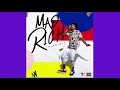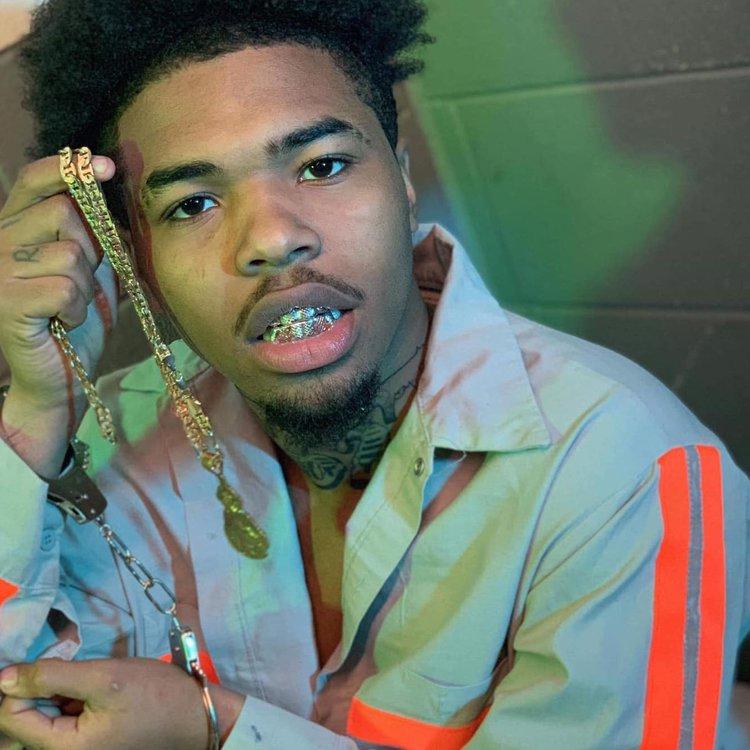
madmarcc

Hip Hop
Trap
Contemporary R&B
Contemporary Hip Hop
 Viberate Rank: 92853
 Viberate Rank: 92853
 Monthly ListenersFollowers
 Subscribers
 Followers
 Followers
 FansTop Spotify Songs
| Track | 7-Day Streams | |
|---|---|---|
1 | 5.76K | |
2 | 4.09K | |
3 | 1.31K | |
4 | 943 | |
5 | 929 |
Top YouTube VideosMonthly ListenersFeatured in Playlists| Playlist | Followers | |
|---|---|---|
1 |  Lil baby - All songs Spiker | 48.42K |
2 |  japanese tiktok songs 2026 LanzaChida | 41.70K |
3 | King Von ALL SONGS 🕊🕊🕊 x7Mile | 32.92K |
4 |  Automatic Aux(Homies) kendallxcel | 25.36K |
5 |  Drake & 21 Savage jasmine colorado | 23.52K |
Audience| City | Monthly Listeners | |
|---|---|---|
1 | | 1.80K |
2 | | 712 |
3 |  | 457 |
4 | | 426 |
5 |  | 423 |
See full performance history, audience data, playlist activity, rankings, comparisons, and more in Viberate music analytics. Start with a free trial, then continue with a paid plan.
madmarcc’s Spotify BioRapper, social media star, and clothing designer Madmarcc makes hard-hitting trap songs with relentless flows and fashion-focused lyrics. He quickly evolved from self-releasing his tracks online to working with Universal subsidiary Wolf Pack Global Music for his 2020 major-label debut, Not Playin.
Madmarcc was born in Atlanta in 2000 and was making music by his teenage years. Early inspiration came from the Lil Wayne songs his father would play around the house while he was growing up. He began releasing his own songs on various online platforms around 2018, moving from stand-alone tracks to the mixtape MadLove in December of that year. In 2020, he signed on with Wolf Pack Global Music for the release of Not Playin, a project that included appearances from Lil Baby and VL Deck. The set was expanded the following year with a deluxe edition that reworked several songs to include contributions from King Von, 42 Dugg, Renni Rucci, and others. ~ Fred Thomas, Rovi
Viberate is a music analytics platform built for A&Rs, artist managers, labels, booking agents, marketers, and artists.
It helps music professionals track artist growth, analyze audience data, monitor playlist activity, compare artists, follow song performance, and identify opportunities across the music market.
Public artist pages provide a free preview of selected artist data. Paid plans provide access to deeper analytics, historical data, charts, comparisons, playlist tools, exports, alerts, reports, and additional professional features.
Yes. Public Viberate artist pages provide selected artist analytics and music data for free.
Viberate also offers a 7-day free trial of the full platform. A credit card is required to start the trial. The trial includes access to the complete product so users can test deeper artist analytics, historical views, playlist insights, comparisons, charts, exports, alerts, and reporting features before choosing a paid plan.
Viberate provides artist analytics across streaming, playlists, social media, video, radio airplay, songs, and audience markets.
Users can analyze Spotify performance, Spotify and Apple Music playlists, YouTube activity, TikTok and Instagram growth, radio spins, song performance, audience locations, demographics, rankings, and overall artist momentum.
Artist profiles also connect to music charts, similar artists, and comparison tools, helping users benchmark performance and evaluate artists in context.
Viberate updates key artist and track data daily.
For followed artists and tracks, selected data is refreshed multiple times per day. This helps teams monitor playlist changes, streaming movement, audience growth, releases, and campaign performance with more current data.
Update frequency can vary depending on the metric and data source.
Yes. Viberate lets users compare up to five artists side by side across streaming, social media, audience, and engagement metrics.
Users can compare fanbase growth, audience demographics, locations, Spotify performance, social metrics, and other artist data over selected time periods.
Artist comparison can be used for A&R scouting, benchmarking, booking decisions, campaign planning, and evaluating artists with similar audiences or market positions.