Yung Mal

Hip Hop
Trap
 Viberate Rank: 52096
 Viberate Rank: 52096
 Monthly ListenersFollowers
 Subscribers
 Followers
 Followers
 FansTop Spotify Songs
| Track | 7-Day Streams | |
|---|---|---|
1 | 7.57K | |
2 | 3.86K | |
3 | 3.84K | |
4 | 1.85K | |
5 | 1.63K |
Top YouTube VideosMonthly ListenersFeatured in Playlists| Playlist | Followers | |
|---|---|---|
1 |  Druski's Taste Spotify | 71.07K |
2 |  Alamo Records Official Playlist Alamo Records | 68.20K |
3 |  The Ultimate Rap Playlist 60secondsofrap | 40.93K |
4 | King Von ALL SONGS 🕊🕊🕊 x7Mile | 32.92K |
5 |  TREINO HIPHOP/RAP/TRAP GRINGO 💀💀💀 marcos | 29.87K |
Audience| City | Monthly Listeners | |
|---|---|---|
1 | | 3.56K |
2 | | 1.82K |
3 | | 1.76K |
4 | | 1.52K |
5 | | 1.45K |
See full performance history, audience data, playlist activity, rankings, comparisons, and more in Viberate music analytics. Start with a free trial, then continue with a paid plan.
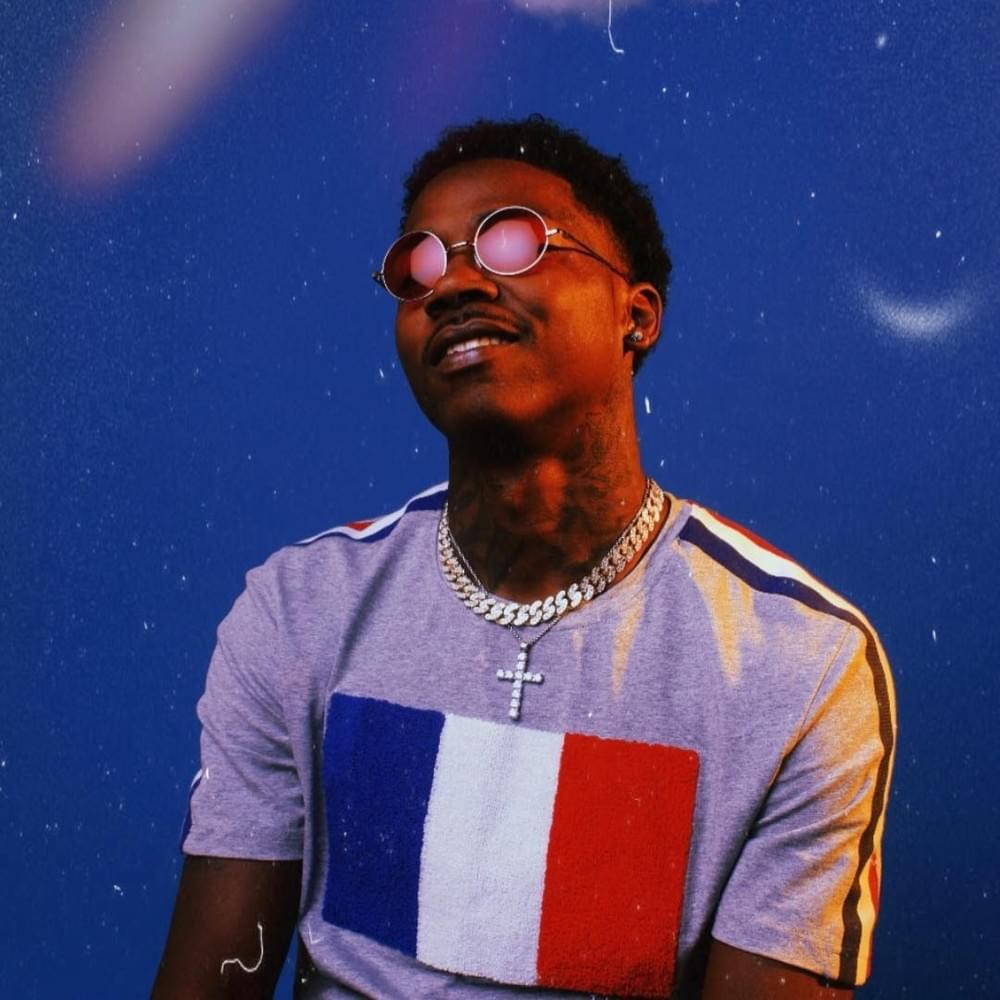
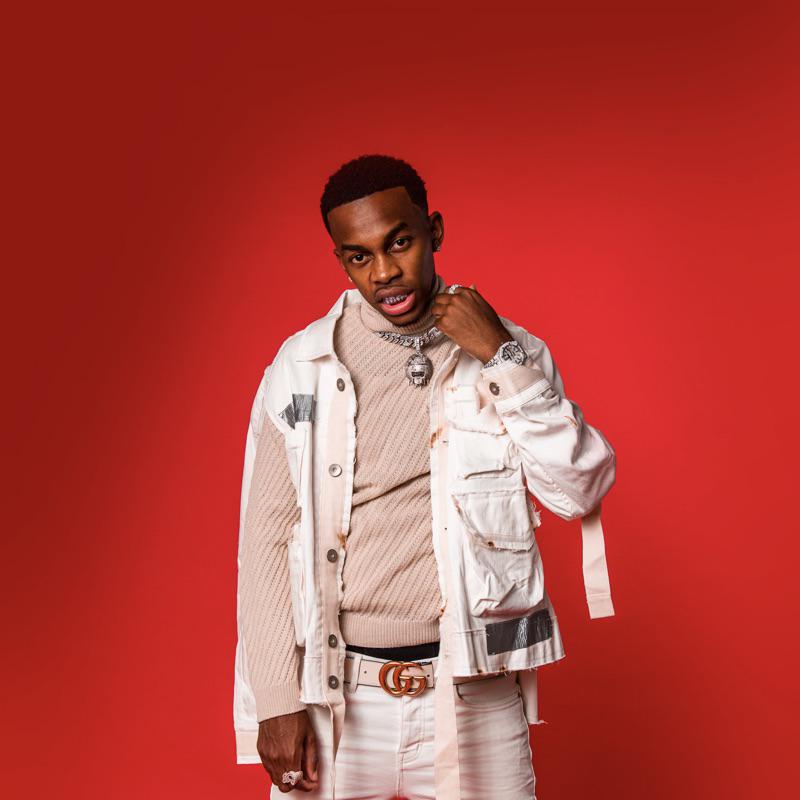
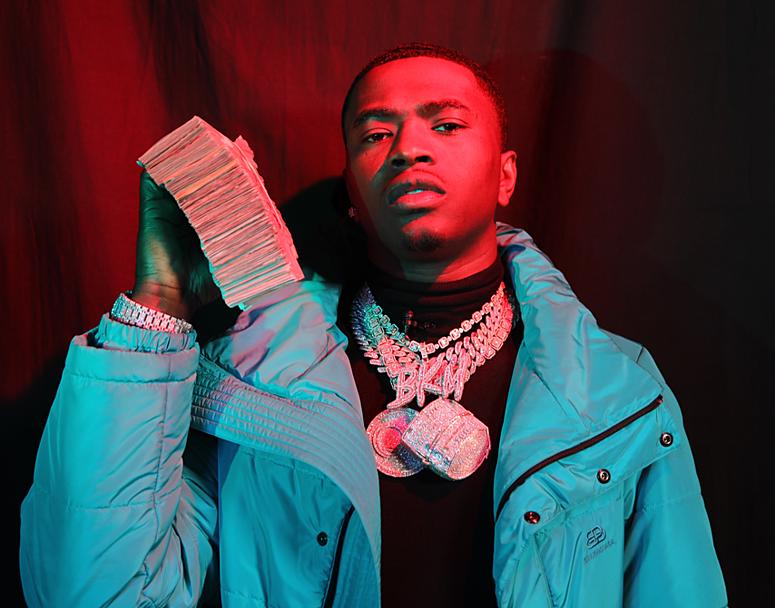
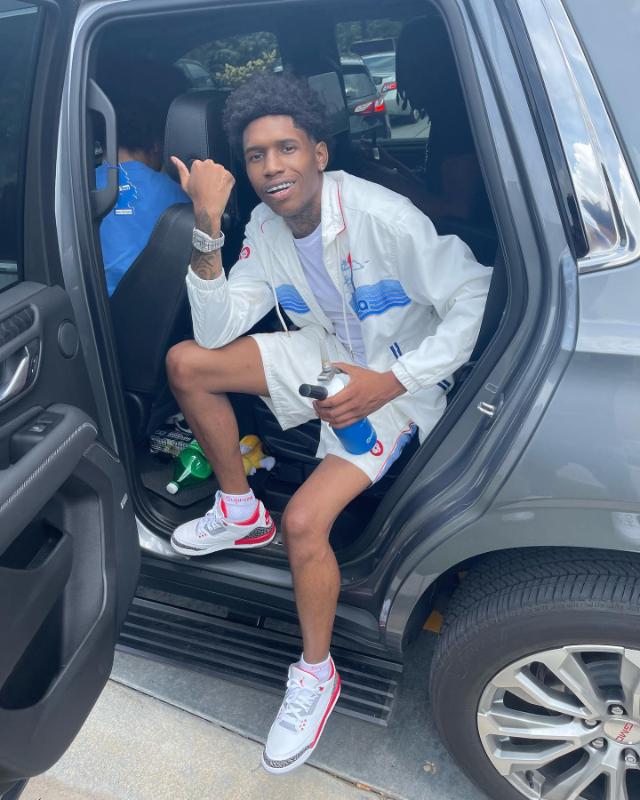
Yung Mal’s Spotify BioBursting into the game through a series of mixtapes with close collaborator Lil Quill, Atlanta-based rapper Yung Mal built a career in the late 2010s with a blend of rapid-fire, street-level trap. After landing a deal with Gucci Mane's 1017 in late 2017, the rapper found his footing with the Blessed Lil Bastards mixtape series, working with Atlanta contemporaries like Lil Baby, Gunna, and Gucci Mane before branching into solo work with his 2020 debut album Iceburg. Another full-length, 1.5 Way or No Way, appeared a year later.
Born in New Orleans before moving to Atlanta's East Side, rapper Yung Mal got his start in music through writing bars to popular beats before being pushed to work on his own material by friends. Though recording original tracks casually from the age of 13, it was not until the late 2010s that the budding MC took music seriously, after his 2016 single, "Str8 Out Da Pot," found underground success online. Teaming up with close friend Lil Quill as Mal & Quill, the… duo kicked off their career with a seemingly limitless work ethic, releasing debut mixtapes Blessed Lil Bastards and Blessed Lil Bastards 2 in April and May of 2017. The pair's early material was rooted in Atlanta's prominent trap scene, with Quill and Mal repping Zone 6 and delivering street narratives over the clattering hi-hats and resonant 808s emblematic of the genre. With their subsequent set, the duo sought to catch the eye of Atlanta legend Gucci Mane, creating a six-track homage EP to be released on 10/17 (in tribute to the rapper's 1017 label). Though the EP didn't see release until late November, it still found its mark, and Gucci Mane brought the pair into the 1017 fold in November of that year. Their third mixtape, Came from Zero, was soon to follow: released on Christmas Day that year, the duo's 1017 debut used the pull of their new label to land features from key Atlanta stars like Gunna, Lil Baby, and Rich the Kid, alongside verses from the label boss himself.
Cooling off after their prolific run, 2018 was a quieter year for the duo. While collaborative mixtape SOUF6 (with X) landed in June, it was not until December 2018 that the pair's fourth mixtape, Blessed Lil Bastards 3, saw release. With production mainly in the hands of longtime collaborator Gudda Tay, the series' third volume continued in the banger-heavy approach of its predecessors. Following Quill's incarceration in 2019, Mal set to work on his solo career, releasing his debut album, Iceburg, in August that year. With a star-studded roster of previous collaborators including Gunna, Pi'erre Bourne, and, of course, Mane, the project gave a studio polish to the rapper's dynamic energy and authentic narratives. An EP, Iceberg Sosa, appeared later in the year, followed in 2021 by another full-length project, 1.5 Way or No Way. ~ David Crone, Rovi
Viberate is a music analytics platform built for A&Rs, artist managers, labels, booking agents, marketers, and artists.
It helps music professionals track artist growth, analyze audience data, monitor playlist activity, compare artists, follow song performance, and identify opportunities across the music market.
Public artist pages provide a free preview of selected artist data. Paid plans provide access to deeper analytics, historical data, charts, comparisons, playlist tools, exports, alerts, reports, and additional professional features.
Yes. Public Viberate artist pages provide selected artist analytics and music data for free.
Viberate also offers a 7-day free trial of the full platform. A credit card is required to start the trial. The trial includes access to the complete product so users can test deeper artist analytics, historical views, playlist insights, comparisons, charts, exports, alerts, and reporting features before choosing a paid plan.
Viberate provides artist analytics across streaming, playlists, social media, video, radio airplay, songs, and audience markets.
Users can analyze Spotify performance, Spotify and Apple Music playlists, YouTube activity, TikTok and Instagram growth, radio spins, song performance, audience locations, demographics, rankings, and overall artist momentum.
Artist profiles also connect to music charts, similar artists, and comparison tools, helping users benchmark performance and evaluate artists in context.
Viberate updates key artist and track data daily.
For followed artists and tracks, selected data is refreshed multiple times per day. This helps teams monitor playlist changes, streaming movement, audience growth, releases, and campaign performance with more current data.
Update frequency can vary depending on the metric and data source.
Yes. Viberate lets users compare up to five artists side by side across streaming, social media, audience, and engagement metrics.
Users can compare fanbase growth, audience demographics, locations, Spotify performance, social metrics, and other artist data over selected time periods.
Artist comparison can be used for A&R scouting, benchmarking, booking decisions, campaign planning, and evaluating artists with similar audiences or market positions.