Madball

Punk
Hardcore Punk
Hardstyle/Hardcore
 Viberate Rank: 30969
 Viberate Rank: 30969
 Monthly ListenersFollowers
 Subscribers
 Followers
 Followers
 FansTop Spotify Songs
| Track | 7-Day Streams | |
|---|---|---|
1 | 17.54K | |
2 | 11.54K | |
3 | 11.34K | |
4 | 8.90K | |
5 | 8.89K |
Top YouTube VideosMonthly ListenersFeatured in Playlists| Playlist | Followers | |
|---|---|---|
1 |  Classic Hardcore Spotify | 248.65K |
2 |  the Breakdown Spotify | 81.02K |
3 |  Hardcore Gardening Spotify | 71.41K |
4 |  hardcore. Tehuringa | 27.00K |
5 |  Le meilleur du Metal Topsify France | 24.81K |
Audience| City | Monthly Listeners | |
|---|---|---|
1 |  | 2.43K |
2 |  | 2.31K |
3 | | 1.88K |
4 | | 1.83K |
5 |  | 1.78K |
See full performance history, audience data, playlist activity, rankings, comparisons, and more in Viberate music analytics. Start with a free trial, then continue with a paid plan.
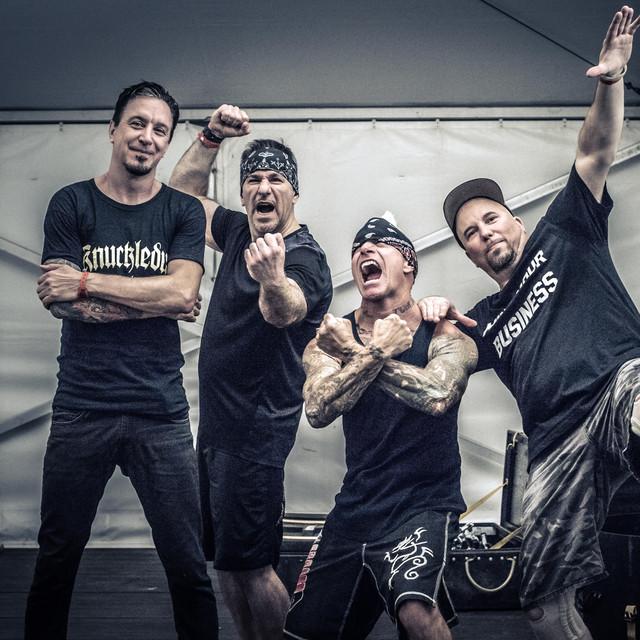
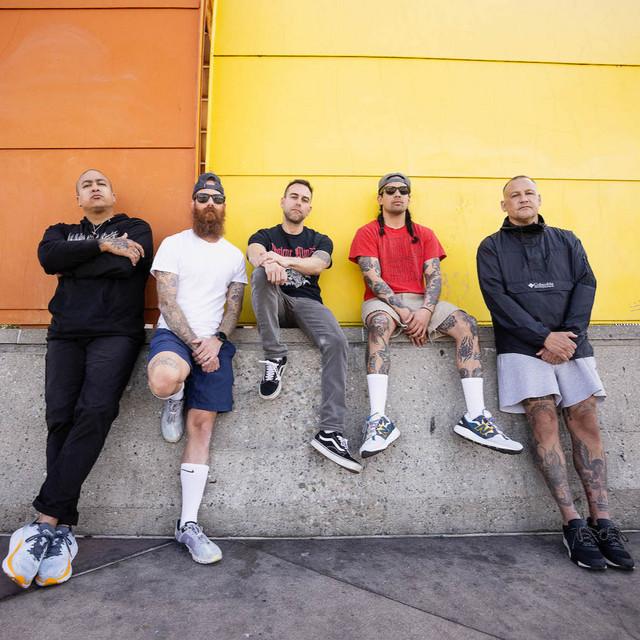
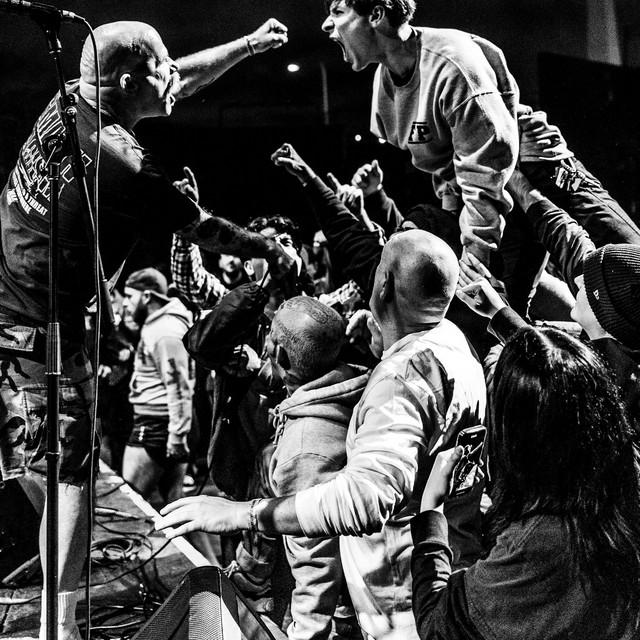
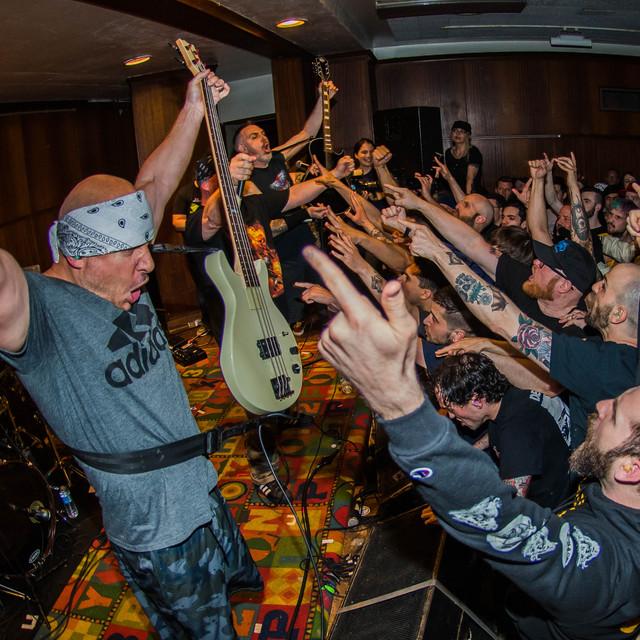
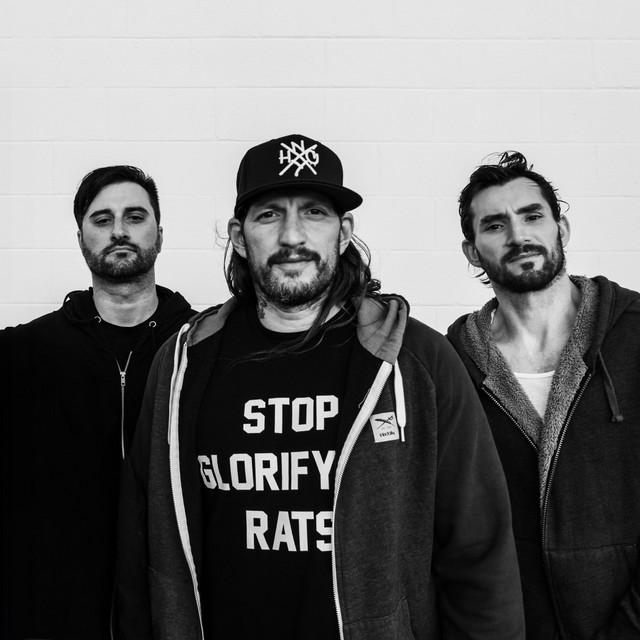
Madball’s Spotify BioArchitects of the beatdown hardcore sound, which combines the raw fury of hardcore punk with the muscle of metal, Madball emerged in 1988 as a side project of pioneering crossover punks Agnostic Front -- Madball vocalist Freddy Cricien's older brother is none other than AF's Roger Miret. When AF called it quits in 1992, Madball became the bandmembers' flagship band. Since releasing their debut EP in 1989, Madball have been at the fore of the N.Y.C. hardcore scene, issuing a slew of EPs and acclaimed full-length efforts like Look My Way (1998), Hold It Down (2000), Infiltrate the System (2007), Hardcore Lives (2014), and For the Cause (2018). The band continued to ply their old-school hardcore wares into the next decade, teaming up with Pain of Truth on 2023's "You & Me."
After releasing the "Ball of Destruction" single in 1989, an early version of the band began playing live. It wasn't until 1991 that Madball truly hit their stride, when the lineup of Freddy Cricien on vocals,… guitarists Matt Henderson and Vinnie Stigma, drummer Will Shepler, and bassist Hoya joined forces. The new version of the band quickly recorded and released an EP called Droppin' Many Suckas, which eventually led to them signing with Roadrunner in 1994. By releasing a pair of straight-ahead hardcore full-lengths (1994's Set It Off and 1996's Demonstrating My Style) and touring steadily, the band built a sizeable fan base outside their hometown. Now a quartet consisting of Cricien, Henderson, Hoya, and new drummer John Lafata, the band recorded what many consider their finest album yet, Look My Way, which was released in the spring of 1998. The equally beloved Hold It Down followed two years later.
2001 saw Madball announcing they were breaking up; however, they decided to re-form during the fall of the 2002 with a new line-up, with Brian "Mitts" Daniels replacing Henderson on guitar and Rigg Ross replacing Lafata on drums. That year they returned to the road and started writing new songs. The following years saw frequent touring as well as a prolific output of material; a compilation titled Best of Madball arrived in 2003, followed by 2004's N.Y.H.C. EP. Two more albums appeared in 2005's Legacy and 2007's Infiltrate the System. The latter was the outfit's last release on Ferret Records (the label owners moved on in 2010 to set up their own imprint, Good Fight Music, which Madball appeared on). The band also signed with German record company Nuclear Blast. Their debut for both labels was their seventh effort, Empire. By this point, Ross had left the band to join Skarhead and was replaced with Ben Dussault. Igor Wouters -- drummer for Dutch punk group Born from Pain -- replaced Weinberg. Following a few years of silence in the Madball camp, they returned in June of 2014 with their eighth album, Hardcore Lives. After touring to promote the LP, they took a three-year hiatus before resurfacing in 2018 with their ninth record, For the Cause. It was announced that Daniels had left the group prior to the album's recording sessions. For the Cause was co-produced with Tim Armstrong of Rancid and featured a guest appearance from renowned rapper Ice-T. Madball continued to operate as a live entity into the next decade, with touring guitarist Mike Gurnari joining the fold in an official capacity and longtime bassist Hoya departing in 2023. Later that year, Cricien appeared on the track "You & Me" from N.Y.C. hardcore enthusiasts Pain of Truth's star-studded long-player Not Through Blood. ~ Greg Prato & Rob Wacey, Rovi
Viberate is a music analytics platform built for A&Rs, artist managers, labels, booking agents, marketers, and artists.
It helps music professionals track artist growth, analyze audience data, monitor playlist activity, compare artists, follow song performance, and identify opportunities across the music market.
Public artist pages provide a free preview of selected artist data. Paid plans provide access to deeper analytics, historical data, charts, comparisons, playlist tools, exports, alerts, reports, and additional professional features.
Yes. Public Viberate artist pages provide selected artist analytics and music data for free.
Viberate also offers a 7-day free trial of the full platform. A credit card is required to start the trial. The trial includes access to the complete product so users can test deeper artist analytics, historical views, playlist insights, comparisons, charts, exports, alerts, and reporting features before choosing a paid plan.
Viberate provides artist analytics across streaming, playlists, social media, video, radio airplay, songs, and audience markets.
Users can analyze Spotify performance, Spotify and Apple Music playlists, YouTube activity, TikTok and Instagram growth, radio spins, song performance, audience locations, demographics, rankings, and overall artist momentum.
Artist profiles also connect to music charts, similar artists, and comparison tools, helping users benchmark performance and evaluate artists in context.
Viberate updates key artist and track data daily.
For followed artists and tracks, selected data is refreshed multiple times per day. This helps teams monitor playlist changes, streaming movement, audience growth, releases, and campaign performance with more current data.
Update frequency can vary depending on the metric and data source.
Yes. Viberate lets users compare up to five artists side by side across streaming, social media, audience, and engagement metrics.
Users can compare fanbase growth, audience demographics, locations, Spotify performance, social metrics, and other artist data over selected time periods.
Artist comparison can be used for A&R scouting, benchmarking, booking decisions, campaign planning, and evaluating artists with similar audiences or market positions.