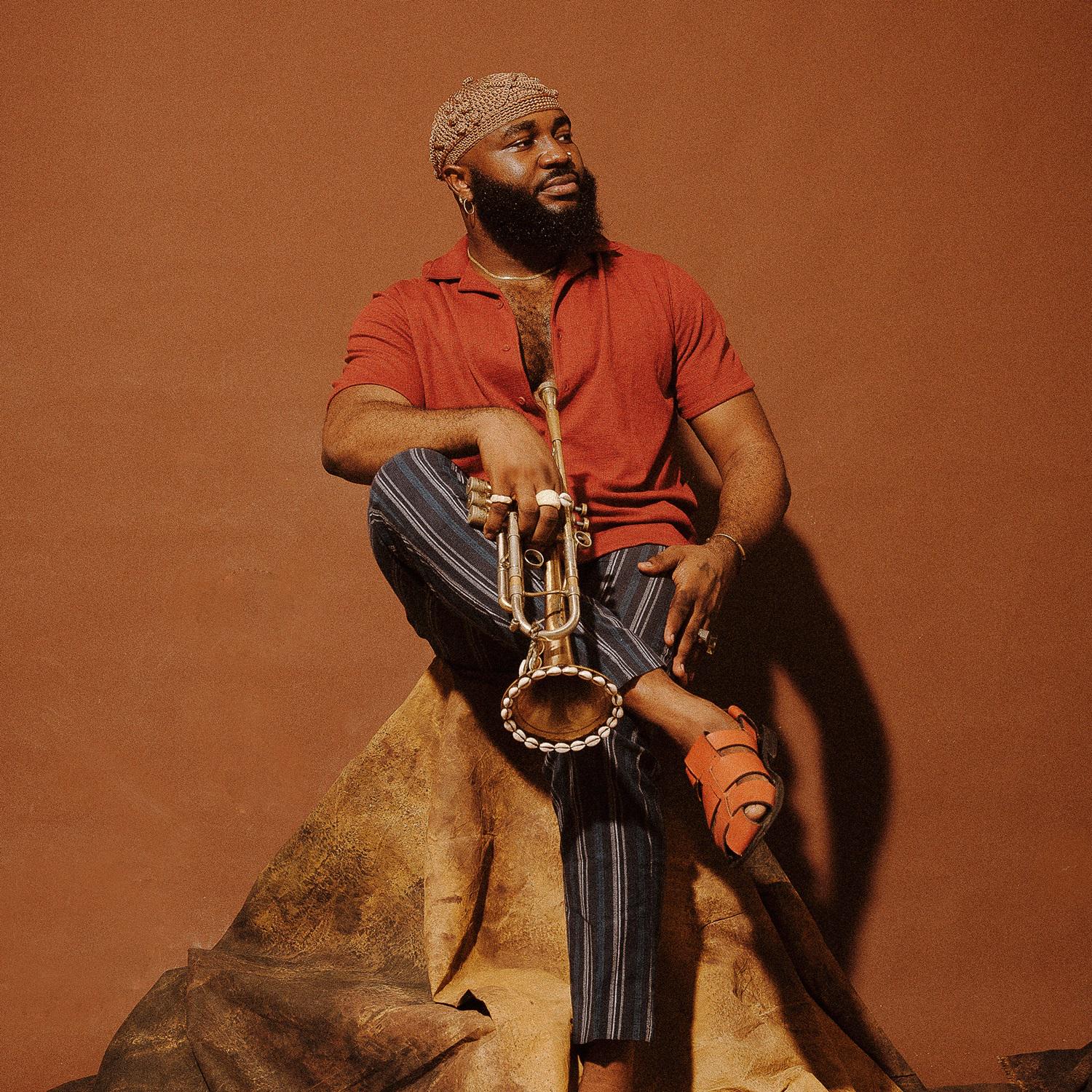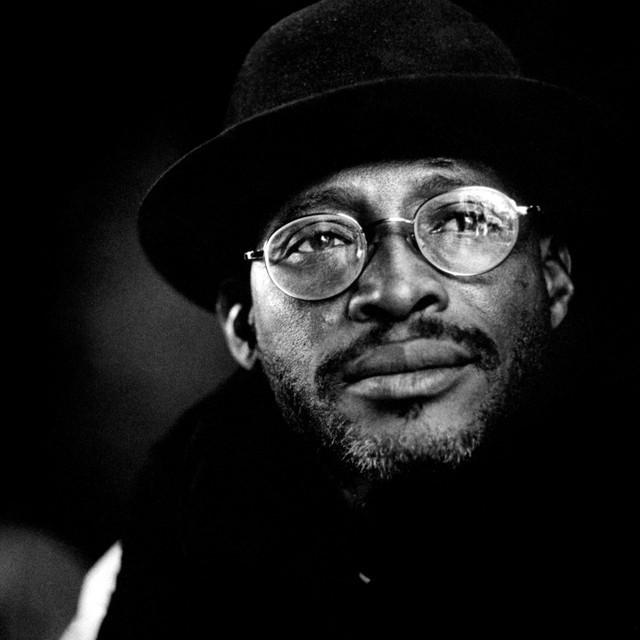
Madala Kunene

African
Other African Music
 Viberate Rank: 250287
 Viberate Rank: 250287
 Monthly ListenersFollowers
 Subscribers
 Followers
 Followers
 FansTop Spotify Songs
| Track | 7-Day Streams | |
|---|---|---|
1 | 2.71K | |
2 | 2.48K | |
3 | 1.60K | |
4 | 1.43K | |
5 | 991 |
Top YouTube VideosMonthly ListenersFeatured in Playlists| Playlist | Followers | |
|---|---|---|
1 |  Global Groove Spotify | 891.95K |
2 |  Café Africa Spotify | 254.54K |
3 |  Sjava - All Songs🔥 Nattyboi | 132.10K |
4 |  AFROTECH E.PN | 15.80K |
5 |  Peggy Gou Patrick Burke Clason | 11.25K |
Audience| City | Monthly Listeners | |
|---|---|---|
1 | | 583 |
2 | | 292 |
3 |  | 292 |
4 | | 247 |
5 | | 195 |
See full performance history, audience data, playlist activity, rankings, comparisons, and more in Viberate music analytics. Start with a free trial, then continue with a paid plan.
Madala Kunene’s Spotify Biob. 1951, Kwa-Mashu, South Africa. Kunene began busking on the guitar while still at school. As a teenager he played soccer for African Wanderers FC and considered making this his career. However, friends convinced him that his talents lay in music and he became a regular performer in the clubs of nearby Durban. He briefly lived in Cape Town but returned to Durban and worked on developing his own musical style (a mixture of South African folk with blues and soul influences). Nevertheless, he still worked mostly as a sideman and only started to play solo in 1988. He participated in B&W Music’s ‘Outernational Meltdown’ recording sessions in 1994 and two years later, the same label released King Of The Zulu Guitar - Vol. 1 as part of their Bootleg Net series, which was only available via the Internet and mail order. A field recording made on a portable DAT player, it showcased Kunene’s intense and hypnotic vocal and guitar style. Kon’ke Man, his first generally available recording as a… leader, was released in the same year. Closer to the African/jazz/funk fusion of the ‘Outernational Meltdown’ sessions, it featured co-production from Airto Moreira and Pops Mohamed. Kunene collaborated with Swiss guitarist Max Lasser on Madamax, on which acoustic and lap steel guitars played off against each other in mesmeric fashion.
Viberate is a music analytics platform built for A&Rs, artist managers, labels, booking agents, marketers, and artists.
It helps music professionals track artist growth, analyze audience data, monitor playlist activity, compare artists, follow song performance, and identify opportunities across the music market.
Public artist pages provide a free preview of selected artist data. Paid plans provide access to deeper analytics, historical data, charts, comparisons, playlist tools, exports, alerts, reports, and additional professional features.
Yes. Public Viberate artist pages provide selected artist analytics and music data for free.
Viberate also offers a 7-day free trial of the full platform. A credit card is required to start the trial. The trial includes access to the complete product so users can test deeper artist analytics, historical views, playlist insights, comparisons, charts, exports, alerts, and reporting features before choosing a paid plan.
Viberate provides artist analytics across streaming, playlists, social media, video, radio airplay, songs, and audience markets.
Users can analyze Spotify performance, Spotify and Apple Music playlists, YouTube activity, TikTok and Instagram growth, radio spins, song performance, audience locations, demographics, rankings, and overall artist momentum.
Artist profiles also connect to music charts, similar artists, and comparison tools, helping users benchmark performance and evaluate artists in context.
Viberate updates key artist and track data daily.
For followed artists and tracks, selected data is refreshed multiple times per day. This helps teams monitor playlist changes, streaming movement, audience growth, releases, and campaign performance with more current data.
Update frequency can vary depending on the metric and data source.
Yes. Viberate lets users compare up to five artists side by side across streaming, social media, audience, and engagement metrics.
Users can compare fanbase growth, audience demographics, locations, Spotify performance, social metrics, and other artist data over selected time periods.
Artist comparison can be used for A&R scouting, benchmarking, booking decisions, campaign planning, and evaluating artists with similar audiences or market positions.