MACABRE

Metal
Death Metal
Grindcore
 Viberate Rank: 105209
 Viberate Rank: 105209
 Monthly ListenersFollowers
 Subscribers
 Followers
 Followers
 FansTop Spotify Songs
| Track | 7-Day Streams | |
|---|---|---|
1 | 5.19K | |
2 | 1.36K | |
3 | 1.01K | |
4 | 1.00K | |
5 | 963 |
Top YouTube VideosMonthly ListenersFeatured in Playlists| Playlist | Followers | |
|---|---|---|
1 |  Death Metal Classics @MansenSankari | 127.50K |
2 |  Metal am Mittwoch Spotify | 33.35K |
3 |  FENRIZ METAL Gylve | 32.35K |
4 | Metal🤘🏻 Naydil González | 16.45K |
5 | dvarjen | 9.79K |
Audience| City | Monthly Listeners | |
|---|---|---|
1 | | 385 |
2 | | 307 |
3 |  | 252 |
4 |  | 233 |
5 |  | 212 |
See full performance history, audience data, playlist activity, rankings, comparisons, and more in Viberate music analytics. Start with a free trial, then continue with a paid plan.
MACABRE’s Spotify BioCome one! Come all, to the demented, heinous bloodbath of a murder metal circus that declares MACABRE’s return; CARNIVAL OF KILLERS. As MACABRE’s first full length album in almost 10 years since the release of Grim’s Scary Tales in 2011, and just in time for their 35th anniversary as a band, this latest installment to the catalogue will butcher your ears and derange your psyche as to be expected! Judging by the title, one can positively assume CARNIVAL OF KILLERS contains stories of your favorite mur-derous psychos: Bundy, Speck, Gacy, Ramirez, and a slew of heinous killers never sung about by MACABRE, before now.
The album artwork, designed by Corporate Death (Lead Singer Lance Lencioni) and artist Laz Gein presents a “Where’s Waldo” style illustration of a colorful carnival filled with jovial children on rides, all amidst a slew of the album’s most memorable refer-ences: Bundy waving a woman over to his Beetle with his cast, H.H. Holmes displaying medical skeletons to passers by,… Bittaker and Norris hammering their latest victim in the face in public instead of in front of a camera… a touching, family oriented, thrill filled weekend!
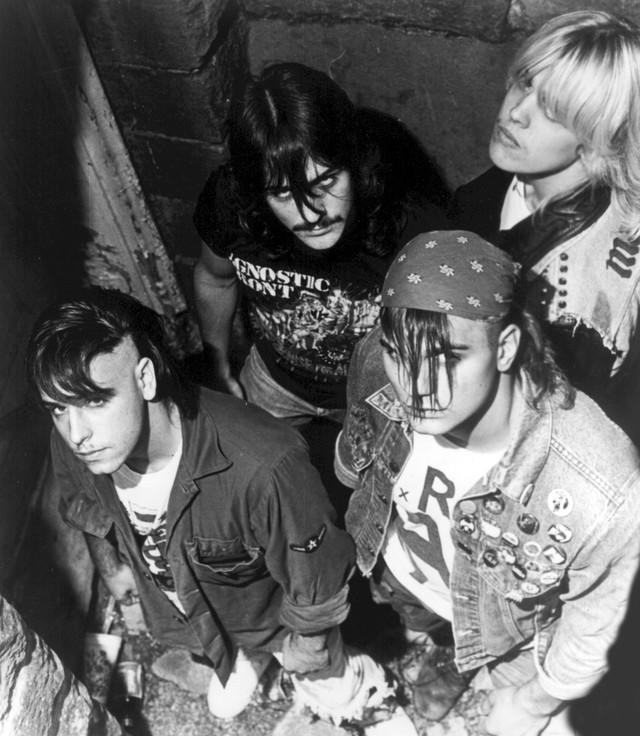
MACABRE is, and always has been: Nefari-ous (Charles Lescewicz - Bass, Vocals), Corporate Death (Lance Lencioni - Guitar, Vocals), and Dennis The Menace (Dennis Ritchie - Drums).
Viberate is a music analytics platform built for A&Rs, artist managers, labels, booking agents, marketers, and artists.
It helps music professionals track artist growth, analyze audience data, monitor playlist activity, compare artists, follow song performance, and identify opportunities across the music market.
Public artist pages provide a free preview of selected artist data. Paid plans provide access to deeper analytics, historical data, charts, comparisons, playlist tools, exports, alerts, reports, and additional professional features.
Yes. Public Viberate artist pages provide selected artist analytics and music data for free.
Viberate also offers a 7-day free trial of the full platform. A credit card is required to start the trial. The trial includes access to the complete product so users can test deeper artist analytics, historical views, playlist insights, comparisons, charts, exports, alerts, and reporting features before choosing a paid plan.
Viberate provides artist analytics across streaming, playlists, social media, video, radio airplay, songs, and audience markets.
Users can analyze Spotify performance, Spotify and Apple Music playlists, YouTube activity, TikTok and Instagram growth, radio spins, song performance, audience locations, demographics, rankings, and overall artist momentum.
Artist profiles also connect to music charts, similar artists, and comparison tools, helping users benchmark performance and evaluate artists in context.
Viberate updates key artist and track data daily.
For followed artists and tracks, selected data is refreshed multiple times per day. This helps teams monitor playlist changes, streaming movement, audience growth, releases, and campaign performance with more current data.
Update frequency can vary depending on the metric and data source.
Yes. Viberate lets users compare up to five artists side by side across streaming, social media, audience, and engagement metrics.
Users can compare fanbase growth, audience demographics, locations, Spotify performance, social metrics, and other artist data over selected time periods.
Artist comparison can be used for A&R scouting, benchmarking, booking decisions, campaign planning, and evaluating artists with similar audiences or market positions.