Impaled

Metal
Death Metal
Grindcore
 Viberate Rank: 242665
 Viberate Rank: 242665
 Monthly ListenersFollowers
 Subscribers
 Followers
 Followers
 FansTop Spotify Songs
| Track | 7-Day Streams | |
|---|---|---|
1 | 576 | |
2 | 372 | |
3 | 293 | |
4 | 237 | |
5 | 186 |
Top YouTube VideosMonthly ListenersFeatured in Playlists| Playlist | Followers | |
|---|---|---|
1 |  Ultimate Grindcore Spikerot Records | 9.48K |
2 | Audiobooks, radio plays, short stories, pœtry, comedy & spoken word ultravellocet | 8.56K |
3 |  The Sound of Grindcore The Sounds of Spotify | 5.22K |
4 | Grindcore/Slamming/Pornogore/Deathcore/Brutal Death Metal Julio Campos | 3.33K |
5 | Death Metal (80s & 90s) kburke138 | 3.20K |
Audience| City | Monthly Listeners | |
|---|---|---|
1 |  | 70 |
2 | | 67 |
3 |  | 46 |
4 | | 44 |
5 |  | 43 |
See full performance history, audience data, playlist activity, rankings, comparisons, and more in Viberate music analytics. Start with a free trial, then continue with a paid plan.
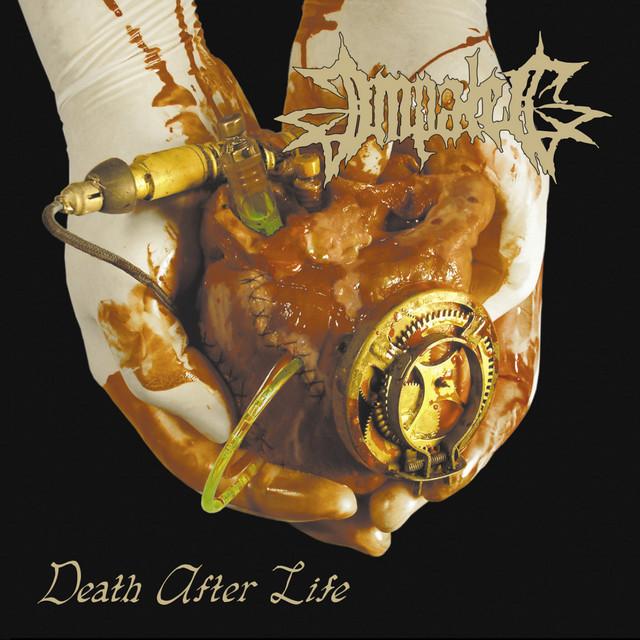
Impaled’s Spotify BioImpaled formed in Oakland, CA, in 1995 as another addition to the infamous East Bay metal scene, which has produced such legends as Possessed, Testament, and Forbidden. Impaled's extremely graphic lyrical content, focused on gore and horror, make them an obvious addition to the gore-metal genre. Founding members Raul Varela (drums) and Sean McGrath (guitar and vocals) recruited Leon del Muerte (guitar and vocals) and Ross Sewage (bass) from the ever-changing Exhumed roster after losing original members Jared Deaver, Ron Dorn, and Jeremy Frye. The new lineup hit the road opening for the likes of Deicide and Suffocation. In 1999 they recorded a split 7" with grindcore masters Cephalic Carnage for Italy's Headfucker Records and in 2000 were signed by Necropolis, which allowed their full-length debut The Dead Shall Dead Remain to find its way out of the coffin. ~ Kevin Odle, Rovi
Viberate is a music analytics platform built for A&Rs, artist managers, labels, booking agents, marketers, and artists.
It helps music professionals track artist growth, analyze audience data, monitor playlist activity, compare artists, follow song performance, and identify opportunities across the music market.
Public artist pages provide a free preview of selected artist data. Paid plans provide access to deeper analytics, historical data, charts, comparisons, playlist tools, exports, alerts, reports, and additional professional features.
Yes. Public Viberate artist pages provide selected artist analytics and music data for free.
Viberate also offers a 7-day free trial of the full platform. A credit card is required to start the trial. The trial includes access to the complete product so users can test deeper artist analytics, historical views, playlist insights, comparisons, charts, exports, alerts, and reporting features before choosing a paid plan.
Viberate provides artist analytics across streaming, playlists, social media, video, radio airplay, songs, and audience markets.
Users can analyze Spotify performance, Spotify and Apple Music playlists, YouTube activity, TikTok and Instagram growth, radio spins, song performance, audience locations, demographics, rankings, and overall artist momentum.
Artist profiles also connect to music charts, similar artists, and comparison tools, helping users benchmark performance and evaluate artists in context.
Viberate updates key artist and track data daily.
For followed artists and tracks, selected data is refreshed multiple times per day. This helps teams monitor playlist changes, streaming movement, audience growth, releases, and campaign performance with more current data.
Update frequency can vary depending on the metric and data source.
Yes. Viberate lets users compare up to five artists side by side across streaming, social media, audience, and engagement metrics.
Users can compare fanbase growth, audience demographics, locations, Spotify performance, social metrics, and other artist data over selected time periods.
Artist comparison can be used for A&R scouting, benchmarking, booking decisions, campaign planning, and evaluating artists with similar audiences or market positions.