Lyn Collins

R&B
Funk
Soul
 Viberate Rank: 72367
 Viberate Rank: 72367
 Monthly ListenersFollowers
 Subscribers
 Followers
 Followers
 FansTop Spotify Songs
| Track | 7-Day Streams | |
|---|---|---|
1 | 56.94K | |
2 | 7.23K | |
3 | 5.97K | |
4 | 5.66K | |
5 | 2.68K |
Top YouTube VideosMonthly ListenersFeatured in Playlists| Playlist | Followers | |
|---|---|---|
1 |  Funk Outta Here Spotify | 1.30M |
2 |  70s R&B/Soul - The Golden Era Raul Gabriel - Music | 159.65K |
3 |  dancing in the kitchen Matthew Meyer | 136.45K |
4 |  Funky Soul (Old Skool) Greg.atini | 117.63K |
5 |  I Love My 70s Funk Spotify | 103.56K |
Audience| City | Monthly Listeners | |
|---|---|---|
1 |  | 4.91K |
2 | | 1.94K |
3 |  | 1.83K |
4 |  | 1.77K |
5 |  | 1.71K |
See full performance history, audience data, playlist activity, rankings, comparisons, and more in Viberate music analytics. Start with a free trial, then continue with a paid plan.
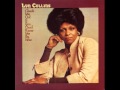
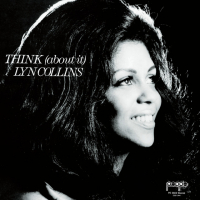
Lyn Collins’ Spotify BioNicknamed the "Female Preacher," Lyn Collins was discovered in the early '70s along with her relatives Bootsy and Catfish Collins by James Brown, who was making the transition to the hardest funk phase of his career. Lyn Collins was born June 12, 1948, in Abilene, TX, where she grew up; she began singing in her teens, waxing a tune called "Unlucky in Love" at age 14, and married a man who served both as her manager and as the local promoter for the James Brown Revue. Collins sent Brown a demo tape and he responded by essentially putting her on standby in 1970, when Marva Whitney left the Revue. Former vocalist Vicki Anderson elected to rejoin, however, so Brown instead invited Collins to come to Georgia for a recording session in early 1971, which produced the single "Wheel of Life." By the end of that year, Anderson was ready to leave again, and Collins officially joined the James Brown Revue. In 1972, Brown's People Records label released Collins' self-penned single "Think (About… It)"; produced by Brown, it became her first and biggest hit, made her the most commercially successful female singer in Brown's camp, and was later sampled for the main vocal hook in the party rap classic "It Takes Two" by Rob Base & DJ E-Z Rock. Collins' first full-length album, also titled Think (About It), was released later in the year. Collins continued to record singles for Brown through 1973, also fulfilling her heavy touring commitments as a member of the Revue. Collins' second album, Check It Out if You Don't Know Me by Now, was released in 1975. She eventually became a backup session vocalist, also appearing on the soundtracks of the film Dr. Detroit and the TV series Fame. Around the late '80s/early '90s, Collins attempted a comeback as a dance-club diva, recording the house single "Shout" for Belgium's ARS label, and a self-penned track called "Break Your Heart" for an Italian label. In 1993, Collins' profile was given a boost by female dancehall reggae singer Patra, who invited Collins to perform on her hit remake of "Think (About It)"; partly due to the resulting interest, her two official albums were reissued in England and Holland. In addition, Collins' work has appeared on Polydor compilations like James Brown's Funky People and James Brown's Original Funky Divas, as well as the bootleg singles comp Female Preacher; she continued to tour and perform, most notably at the European Jazz/Funk Festival (in both 1998 and 1999) and the Montreux Jazz Festival. Shortly after returning from a European tour in February of 2005, Lyn Collins passed away on March 13 at the age of 56. ~ Steve Huey, Rovi
Viberate is a music analytics platform built for A&Rs, artist managers, labels, booking agents, marketers, and artists.
It helps music professionals track artist growth, analyze audience data, monitor playlist activity, compare artists, follow song performance, and identify opportunities across the music market.
Public artist pages provide a free preview of selected artist data. Paid plans provide access to deeper analytics, historical data, charts, comparisons, playlist tools, exports, alerts, reports, and additional professional features.
Yes. Public Viberate artist pages provide selected artist analytics and music data for free.
Viberate also offers a 7-day free trial of the full platform. A credit card is required to start the trial. The trial includes access to the complete product so users can test deeper artist analytics, historical views, playlist insights, comparisons, charts, exports, alerts, and reporting features before choosing a paid plan.
Viberate provides artist analytics across streaming, playlists, social media, video, radio airplay, songs, and audience markets.
Users can analyze Spotify performance, Spotify and Apple Music playlists, YouTube activity, TikTok and Instagram growth, radio spins, song performance, audience locations, demographics, rankings, and overall artist momentum.
Artist profiles also connect to music charts, similar artists, and comparison tools, helping users benchmark performance and evaluate artists in context.
Viberate updates key artist and track data daily.
For followed artists and tracks, selected data is refreshed multiple times per day. This helps teams monitor playlist changes, streaming movement, audience growth, releases, and campaign performance with more current data.
Update frequency can vary depending on the metric and data source.
Yes. Viberate lets users compare up to five artists side by side across streaming, social media, audience, and engagement metrics.
Users can compare fanbase growth, audience demographics, locations, Spotify performance, social metrics, and other artist data over selected time periods.
Artist comparison can be used for A&R scouting, benchmarking, booking decisions, campaign planning, and evaluating artists with similar audiences or market positions.