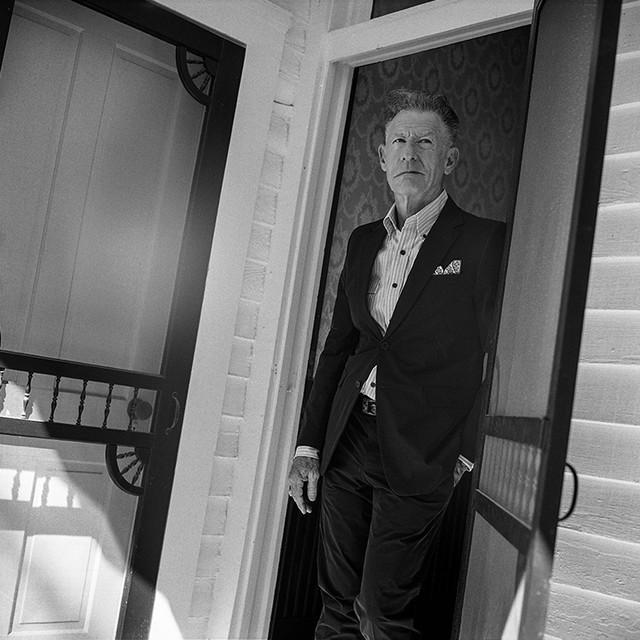
Lyle Lovett

Country
Americana/Alt Country
Contemporary Country
Bluegrass
 Viberate Rank: 28457
 Viberate Rank: 28457
 Monthly ListenersFollowers
 Subscribers
 Followers
 Followers
 FansTop Spotify Songs
| Track | 7-Day Streams | |
|---|---|---|
1 | 111.92K | |
2 | 69.23K | |
3 | 24.50K | |
4 | 17.97K | |
5 | 16.86K |
Top YouTube Videos| Video | 7-Day Views | |
|---|---|---|
1 | 2.80K | |
2 | 1.59K | |
3 | 1.18K | |
4 | 866 | |
5 | 750 |
Monthly ListenersFeatured in Playlists| Playlist | Followers | |
|---|---|---|
1 |  Essential Folk Spotify | 831.90K |
2 |  Heart Of Texas Spotify | 292.51K |
3 |  Americana Icons Spotify | 241.64K |
4 |  Country Rock Classics Spotify | 208.76K |
5 |  Musical Hits HITS | 163.65K |
Audience| City | Monthly Listeners | |
|---|---|---|
1 | | 10.54K |
2 | | 10.52K |
3 |  | 10.17K |
4 | | 8.91K |
5 | | 7.98K |
See full performance history, audience data, playlist activity, rankings, comparisons, and more in Viberate music analytics. Start with a free trial, then continue with a paid plan.
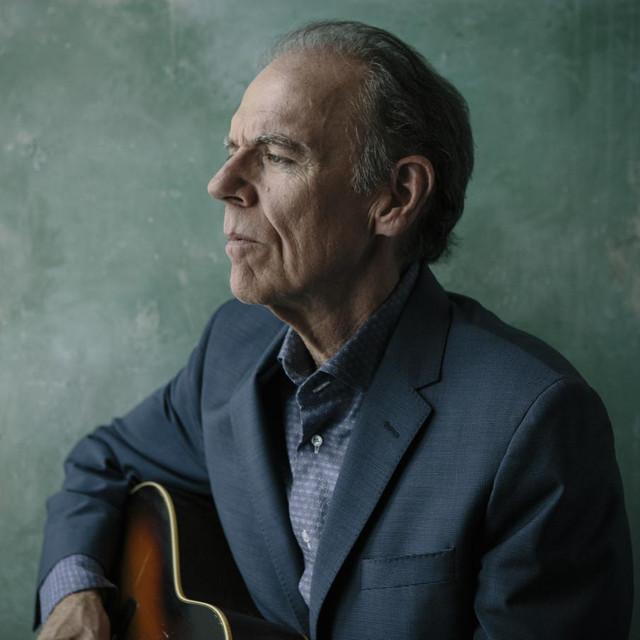
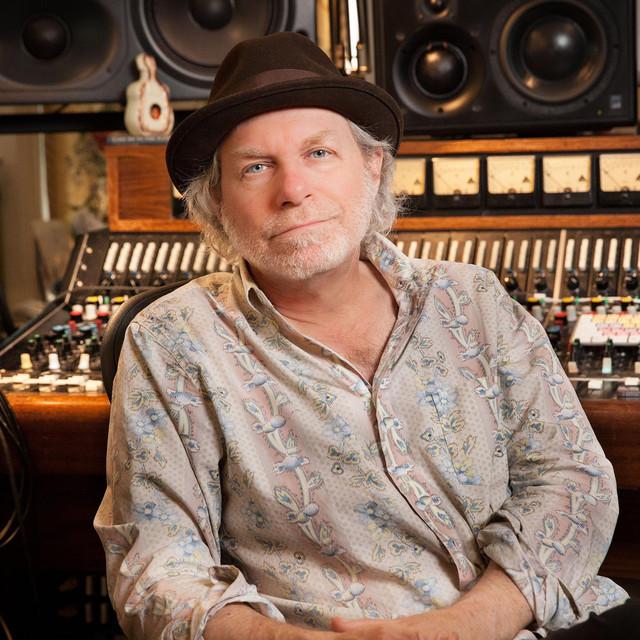
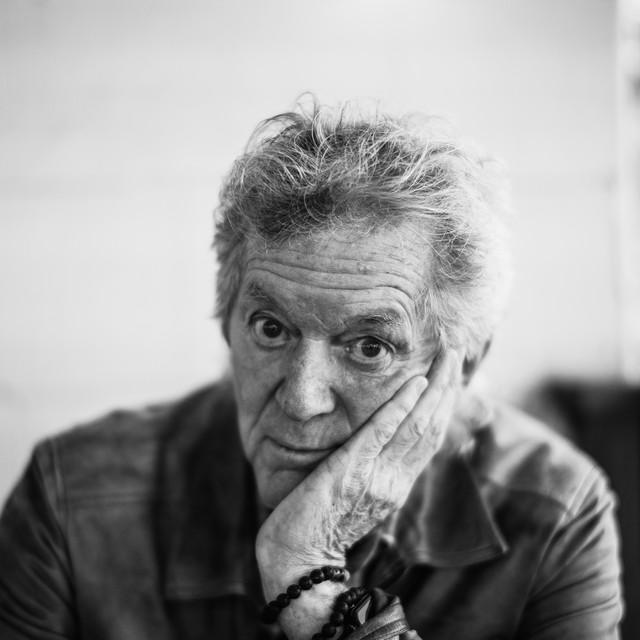
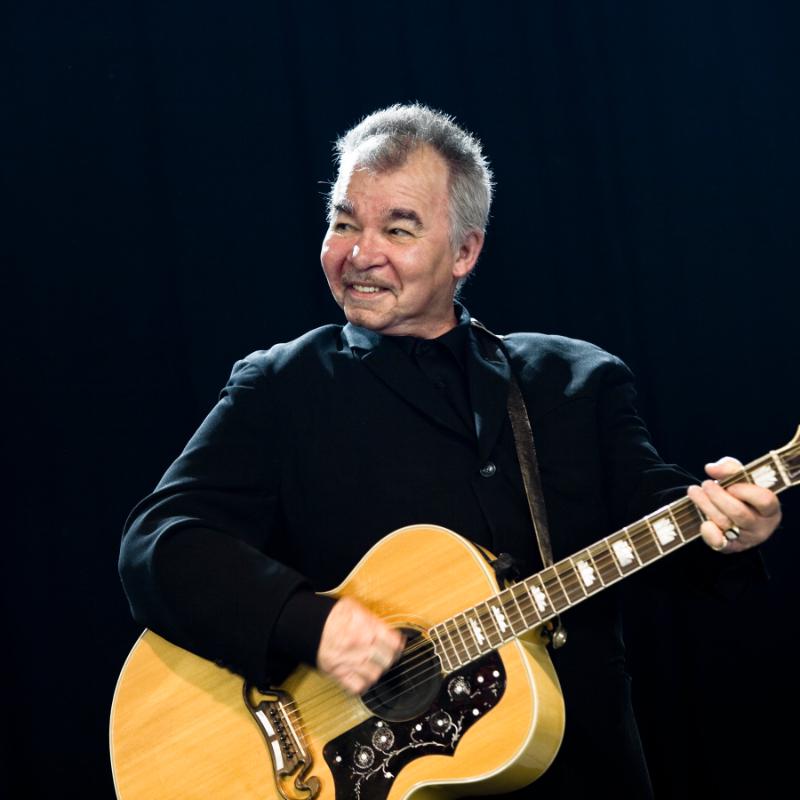
Lyle Lovett’s Spotify BioAn heir to such eccentric literary Texas troubadours as Guy Clark, Walter Hyatt, and Townes Van Zandt, Lyle Lovett laid the groundwork for the alternative country and Americana movements with his eponymous 1986 debut and its 1987 successor, Pontiac. Filled with incisive character studies, lyrical ballads, and dry wit, the two albums established Lovett as a distinctive singer/songwriter whose appeal extended far outside of country. Already rooted in the dusty eclecticism of Texas country, a subgenre where folk intertwined with Western swing, Lovett expanded his musical reach with Lyle Lovett & His Large Band, a 1989 album where he showcased a supporting band well-versed in swing and jump blues. He reached the apex of his popularity in the early '90s with the albums Joshua Judges Ruth and I Love Everybody crossing over to an adult-oriented pop audience, while 1996's The Road to Ensenada won the Grammy for Best Country Album. Lovett's songwriting and recording slowed in the 21st century… -- he took an extended ten-year hiatus between Release Me in 2012 and 12th of June in 2022 -- but maintained on outsized presence on the Americana and Texas country scenes, thanks to regular performances with his Large Band.
Born in Klein, Texas -- a small town (named after his great-grandfather, a Bavarian weaver named Adam Klein) that later became a Houston suburb -- Lovett was raised on his family's horse ranch. He didn't begin his musical career until he began writing songs while attending Texas A&M University in the late '70s, where he studied journalism and German. While he was a student, he performed covers and original songs at local folk festivals and clubs. As a graduate student, he traveled to Germany to study and continued to write and play while he was in Europe. However, he didn't begin to pursue a musical career in earnest until he returned to America in the early '80s.
Upon his return to the States, Lovett played clubs throughout Texas, eventually landing a spot in the 1983 Mickey Rooney TV movie Bill: On His Own. The following year, Nanci Griffith, whom Lyle had interviewed for a school paper while he was in college, recorded his "If I Were the Woman You Wanted" on her Once in a Very Blue Moon album. He also sang on the album as well as on her 1985 record Last of the True Believers. Guy Clark heard a demo tape of Lovett's songs in 1984 and directed it toward Tony Brown of MCA Records. Over the next year, MCA worked out the details of a record contract with Lyle. In the meantime, he made his first recorded appearance on Fast Folk Magazine, Vol. 2 #8 later in the year.
Lovett signed with MCA/Curb in 1986, releasing his eponymous debut later in the year. Lyle Lovett received excellent reviews, and five of its singles -- "Farther Down the Line," the Top Ten "Cowboy Man," "God Will," "Why I Don't Know," and "Give Back My Heart" -- reached the country Top 40. Despite his strong showing on the country charts, it was clear from the outset that Lovett's musical tastes didn't rely on country, though the genre provided the foundation of his sound. Instead, he incorporated jazz, folk, and pop into a country framework, pushing the musical boundaries of each genre. Pontiac, his second album, revealed exactly how eclectic and literate Lovett was. Greeted with overwhelmingly positive reviews from both country and mainstream publications upon its 1987 release, Pontiac expanded his audience in the pop and rock markets. The album charted in the lower reaches of the pop charts and slowly worked its way toward gold status. While his pop audience grew, his country fan base began to shrink -- "She's No Lady" and "I Loved You Yesterday" both made the Top 30, but after those two songs, none of his other singles cracked the country Top 40.
It didn't matter that Lovett's country audience was disappearing -- Pontiac had gained enough new fans in the pop mainstream to guarantee him a strong cult following. To support Pontiac, he assembled His Large Band, which was a modified big band complete with guitars, a cellist, a pianist, horns, and a gospel-trained backup singer named Francine Reed. Lovett recorded his third album, Lyle Lovett and His Large Band, with his touring band. Like its two predecessors, the record was well received critically upon its early-1989 release, and it performed well commercially, peaking at number 62 and eventually going gold. Perhaps because of its eclectic, jazzy sound, the album produced only one minor country hit in "I Married Her Just Because She Looks Like You," but his straight rendition of Tammy Wynette's "Stand by Your Man" received a great deal of attention in the media.
Following the release of His Large Band, Lovett settled in California, which signaled that he was abandoning country. After moving to Los Angeles, he spent the next two years collaborating and working on his fourth album. In 1990, he produced Walter Hyatt's King Tears album; the following year, he sang on Leo Kottke's Great Big Boy and donated a cover of "Friend of the Devil" to the Grateful Dead tribute album Deadicated. Also in 1991, he made his acting debut in Robert Altman's The Player, which was released in the spring of 1992. A few months after The Player hit the theaters, Lovett's fourth album, Joshua Judges Ruth, was released. Boasting a heavy gospel and R&B influence, it was his most successful album to date, peaking at number 57 and going gold. On the whole, the album was ignored by country radio, but pop audiences embraced the record, and Lovett became a staple on adult alternative radio and VH1.
Despite the success of Joshua Judges Ruth, Lovett became a near-superstar for a completely different reason in 1993 -- his surprise marriage to actress Julia Roberts. Upon the announcement of their marriage, Lovett became the subject of many gossip segments and tabloid stories, elevating him to a level of fame he had not experienced before. Lyle's first project after his marriage was a role in Altman's 1993 film Short Cuts. He didn't release another album until the fall of 1994, when I Love Everybody hit the stores. A collection of songs Lovett wrote in the late '70s and early '80s, I Love Everybody continued his move away from country, and it was the first record he had released that didn't expand his audience in some way. After it entered the charts at number 26, it disappeared 13 weeks later, failing to go gold.
Lovett and Roberts divorced in the spring of 1995, and Lyle began to retreat from the spotlight somewhat, spending the remainder of the year touring and writing. Lovett re-emerged with The Road to Ensenada, the first album since Pontiac to be dominated by country songs, in the summer of 1996. In addition to performing well on the pop charts, where it entered at a career peak of number 24, The Road to Ensenada performed strongly on the country charts, entering at number four. The two-disc covers album Step Inside This House followed in 1998, featuring mostly underexposed material penned by some of Lovett's favorite songwriters (many of whom hailed from Texas).
In 1999, Lovett issued his first concert record, Live in Texas, and his soundtrack to the Altman film Dr. T. & the Women followed a year later. Smile, a collection of songs recorded for various movie soundtracks, appeared in 2003, followed that same year by My Baby Don't Tolerate on Lost Highway. The label also released It's Not Big It's Large in 2007 and Natural Forces in 2009. A holiday EP, Songs for the Season, appeared in 2011, and a couple of tracks from it ended up on Release Me (Lovett's final album on his Curb Records contract), which appeared in 2012.
Over the next few years, Lovett maintained a low profile, playing concerts regularly and sometimes appearing on television; his biggest role was a ten-episode stint on The Bridge in 2013 and 2014. In 2017, Curb released Greatest Hits, a collection of Lovett's charting country singles. Busy raising a family with wife April Kimble, Lovett still hit the road on occasion, performing often in Texas. He didn't release a new album until May 2022, when Verve Forecast issued 12th of June. A reintroduction of Lovett & His Large Band, it also marked the farewell of Lovett's longtime duet partner Francine Reed, who retired from touring. ~ Stephen Thomas Erlewine, Rovi
Viberate is a music analytics platform built for A&Rs, artist managers, labels, booking agents, marketers, and artists.
It helps music professionals track artist growth, analyze audience data, monitor playlist activity, compare artists, follow song performance, and identify opportunities across the music market.
Public artist pages provide a free preview of selected artist data. Paid plans provide access to deeper analytics, historical data, charts, comparisons, playlist tools, exports, alerts, reports, and additional professional features.
Yes. Public Viberate artist pages provide selected artist analytics and music data for free.
Viberate also offers a 7-day free trial of the full platform. A credit card is required to start the trial. The trial includes access to the complete product so users can test deeper artist analytics, historical views, playlist insights, comparisons, charts, exports, alerts, and reporting features before choosing a paid plan.
Viberate provides artist analytics across streaming, playlists, social media, video, radio airplay, songs, and audience markets.
Users can analyze Spotify performance, Spotify and Apple Music playlists, YouTube activity, TikTok and Instagram growth, radio spins, song performance, audience locations, demographics, rankings, and overall artist momentum.
Artist profiles also connect to music charts, similar artists, and comparison tools, helping users benchmark performance and evaluate artists in context.
Viberate updates key artist and track data daily.
For followed artists and tracks, selected data is refreshed multiple times per day. This helps teams monitor playlist changes, streaming movement, audience growth, releases, and campaign performance with more current data.
Update frequency can vary depending on the metric and data source.
Yes. Viberate lets users compare up to five artists side by side across streaming, social media, audience, and engagement metrics.
Users can compare fanbase growth, audience demographics, locations, Spotify performance, social metrics, and other artist data over selected time periods.
Artist comparison can be used for A&R scouting, benchmarking, booking decisions, campaign planning, and evaluating artists with similar audiences or market positions.