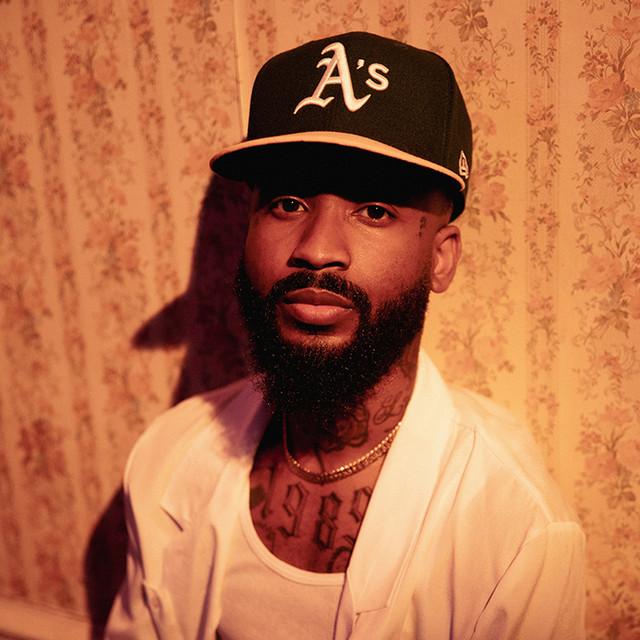
Lute

Hip Hop
Contemporary Hip Hop
Alternative Hip Hop
 Viberate Rank: 23036
 Viberate Rank: 23036
 Monthly ListenersFollowers
 Subscribers
 Followers
 Followers
 FansTop Spotify Songs
| Track | 7-Day Streams | |
|---|---|---|
1 | 700.42K | |
2 | 43.60K | |
3 | 40.63K | |
4 | 26.64K | |
5 | 24.11K |
Top YouTube Videos| Video | 7-Day Views | |
|---|---|---|
1 | 73.41K | |
2 | 4.40K | |
3 | 3.72K | |
4 | 3.20K | |
5 | 2.20K |
Monthly ListenersFeatured in Playlists| Playlist | Followers | |
|---|---|---|
1 |  Mellow Bars Spotify | 1.40M |
2 |  This Is J. Cole Spotify | 952.62K |
3 |  Best Rap Songs of All Time IndieMassive Hits | 510.81K |
4 |  This Is DaBaby Spotify | 326.09K |
5 |  Best Hip Hop Hits Mega Hits | 257.98K |
Audience| City | Monthly Listeners | |
|---|---|---|
1 | | 30.06K |
2 | | 25.91K |
3 | | 23.81K |
4 | | 21.03K |
5 | | 19.12K |
See full performance history, audience data, playlist activity, rankings, comparisons, and more in Viberate music analytics. Start with a free trial, then continue with a paid plan.
Lute’s Spotify BioCharlotte, North Carolina rapper and Dreamville affiliate Lute delivers humble, introspective lyrics, often referencing his life struggles and his parenthood. His thoughtfulness is often paired with mellow, soul-tinged production and his style evolved on records like his 2017 studio debut proper, West 1996, Pt. 2, and its 2021 follow-up, Gold Mouf.
Lute was born Luther Nicholson in 1989 and first burst onto the underground hip-hop scene as a member of the rap collective Forever FC, alongside Jimmy Kelso, High I'm Ry, and SchylerChaise. Lute delivered his first solo mixtape, West 1996, in 2012 while still a member of Forever FC, but took a backseat after the birth of his daughter. With the group and Lute receiving plaudits from the likes of Rick Ross and Pete Rock, it wasn't long before he was snapped up by J. Cole in 2015, signing to Cole's then-burgeoning Dreamville imprint. His first effort for the label arrived at the end of that year on the compilation Revenge of the Dreamers II in… the form of "Still Slummin'," a posthumous production by J Dilla. Two years later, the single "Juggin'" appeared and signaled Lute's return. His debut album, 2017's West 1996, Pt. 2, followed, with guest appearances from EarthGang and Elevator Jay.
Lute next appeared on the chart-topping 2019 compilation Revenge of the Dreamers III, collaborating with J. Cole and DaBaby on the platinum-certified single "Under the Sun." He released several singles in 2020, including "Life" and "Get It and Go," and in October of 2021, his second studio album, Gold Mouf, appeared. The highly collaborative project featured a host of special guests and contributors, including performances from Saba, JID, Ari Lennox, Westside Boogie, and others, with sequencing help from Phonte and executive production from Big Pooh. In 2022, a deluxe version of Gold Mouf was released with six additional tracks. ~ Rich Wilson, Rovi
Viberate is a music analytics platform built for A&Rs, artist managers, labels, booking agents, marketers, and artists.
It helps music professionals track artist growth, analyze audience data, monitor playlist activity, compare artists, follow song performance, and identify opportunities across the music market.
Public artist pages provide a free preview of selected artist data. Paid plans provide access to deeper analytics, historical data, charts, comparisons, playlist tools, exports, alerts, reports, and additional professional features.
Yes. Public Viberate artist pages provide selected artist analytics and music data for free.
Viberate also offers a 7-day free trial of the full platform. A credit card is required to start the trial. The trial includes access to the complete product so users can test deeper artist analytics, historical views, playlist insights, comparisons, charts, exports, alerts, and reporting features before choosing a paid plan.
Viberate provides artist analytics across streaming, playlists, social media, video, radio airplay, songs, and audience markets.
Users can analyze Spotify performance, Spotify and Apple Music playlists, YouTube activity, TikTok and Instagram growth, radio spins, song performance, audience locations, demographics, rankings, and overall artist momentum.
Artist profiles also connect to music charts, similar artists, and comparison tools, helping users benchmark performance and evaluate artists in context.
Viberate updates key artist and track data daily.
For followed artists and tracks, selected data is refreshed multiple times per day. This helps teams monitor playlist changes, streaming movement, audience growth, releases, and campaign performance with more current data.
Update frequency can vary depending on the metric and data source.
Yes. Viberate lets users compare up to five artists side by side across streaming, social media, audience, and engagement metrics.
Users can compare fanbase growth, audience demographics, locations, Spotify performance, social metrics, and other artist data over selected time periods.
Artist comparison can be used for A&R scouting, benchmarking, booking decisions, campaign planning, and evaluating artists with similar audiences or market positions.