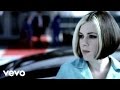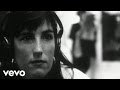
Luscious Jackson

Rock
Alternative Rock
Indie Pop
 Viberate Rank: 71515
 Viberate Rank: 71515
 Monthly ListenersFollowers
 Subscribers
 Followers
 Followers
 FansTop Spotify Songs
| Track | 7-Day Streams | |
|---|---|---|
1 | 43.54K | |
2 | 6.78K | |
3 | 3.56K | |
4 | 2.94K | |
5 | 2.00K |
Top YouTube Videos| Video | 7-Day Views | |
|---|---|---|
1 | 13.11K | |
2 | 1.67K | |
3 | 1.41K | |
4 | 714 | |
5 | 620 |
Monthly ListenersFeatured in Playlists| Playlist | Followers | |
|---|---|---|
1 |  90s Pop Rock Spotify | 1.53M |
2 |  Rock School Spotify | 901.52K |
3 | 90's Grunge/Rock prevypicklebear | 328.23K |
4 |  Feel Good Songs 💛🌻💛 ErinEllisIsland | 292.82K |
5 |  90s Whimsigothic 🌜🌞 Teleglam Sam 🔮 @teleglamsam | 250.24K |
Audience| City | Monthly Listeners | |
|---|---|---|
1 | | 2.65K |
2 | | 2.46K |
3 | | 2.41K |
4 |  | 1.86K |
5 | | 1.74K |
See full performance history, audience data, playlist activity, rankings, comparisons, and more in Viberate music analytics. Start with a free trial, then continue with a paid plan.
Luscious Jackson’s Spotify BioLuscious Jackson was a distinctly 1990s phenomenon, a group that walked the border separating alternative rock and hip-hop. Drawing upon sounds emanating from New York's bohemian scene, the band created an idiosyncratic collage of Spanish guitars, jazzy keyboards, funky beats, and breathy vocals. Like their old friends the Beastie Boys, Luscious Jackson's eclecticism didn't acknowledge boundaries; instead, it borrowed freely from every kind of music. After releasing the EP In Search of Manny on the Beastie Boys' label Grand Royal in 1992, Luscious Jackson moved to a major label, spending the rest of the '90s moving their stylish, multicultural pop-funk into a brighter territory, eventually landing a Top 40 hit in 1996 with the bustling "Naked Eye." While the group split after 1999's Electric Honey, they reunited in the early 2010s and released two records in 2013: Magic Hour and the children's album Baby DJ.
The core of Luscious Jackson -- Kate Schellenbach (drums), Jill Cunniff (vocals…, bass), and Gabby Glaser (vocals, guitar) -- all met as teenagers on the New York post-punk scene of the early '80s. Schellenbach was the drummer in the original hardcore punk incarnation of the Beastie Boys; she met Cunniff when she interviewed the Beasties for her fanzine, The Decline of Art. Eventually, the trio began hanging out, seeing bands that ranged from hardcore and arty post-punk to reggae and hip-hop. When the members graduated from high school, they went their separate ways. Schellenbach stayed in New York, where she drummed with Hippies with Guns and attended college, while Cunniff and Glaser attended art school in San Francisco and played in a punk band called Jaws; Cunniff continued to edit her fanzine.
In 1991, Cunniff and Glaser returned to New York and began writing songs. Eventually, the duo recruited Schellenbach and Jill's friend Vivian Trimble to form Luscious Jackson, taking their name from a '60s basketball player for the Philadelphia 76ers. The following year, the group released their debut EP, In Search of Manny, on the Beastie Boys' record label Grand Royal; it was reissued the following year on Capitol/Grand Royal. In Search of Manny received very positive reviews, and the band quickly became a hip name to drop in alternative rock circles.
Natural Ingredients, the group's first full-length album, was released in the late summer of 1994 to generally favorable reviews. "Citysong" became a minor modern rock hit in the fall of that year. Before the release of Natural Ingredients, Luscious Jackson spent the summer of 1994 on the second stage of Lollapalooza, per the request of the Beastie Boys. Following the release of Natural Ingredients, the group spent most of 1995 on the road, including a stint opening for R.E.M. on the Monster tour. Natural Ingredients eventually sold almost 200,000 copies.
Early in 1996, Trimble and Cunniff released a side project under the name Kostars. At the time, Luscious Jackson were continuing to work on their second album with producer Daniel Lanois. The result, Fever In Fever Out, was released in late 1996. Thanks to the single "Naked Eye," the album was a steady seller, expanding the band's fan base significantly even though it failed to become a huge hit. In April 1998, Trimble left the group to pursue other projects. She released a solo album, collaborated with Jon Spencer Blues Explosion drummer Russell Simins, and formed a band with Josephine Wiggs called Dusty Trails. Continuing as a trio, Luscious Jackson returned in 1999 with Electric Honey before disbanding the following spring.
In 2007, Capitol released Greatest Hits and bandmembers Jill Cunniff and Gabby Glaser each released solo albums the same year. In 2011, the band announced that they were re-forming, but founding member Vivian Trimble wouldn't be joining them due to poor health. A previously unreleased track, "Girlscout," appeared as a free download. The lead single "So Rock On" from their forthcoming fourth album, Magic Hour, premiered in September 2013, with the full album arriving in November. Baby DJ, an album of kid-friendly material, was released that same month. The songs had been originally recorded in 2006 and buried on a hard drive, then revisited and touched up a little by the group for release. Over the next decade, the trio played the occasional concert in N.Y.C. and stayed busy with other pursuits, notably Cunniff's 2018 art exhibition Lyric and Word Paintings. ~ Stephen Thomas Erlewine, Rovi
Viberate is a music analytics platform built for A&Rs, artist managers, labels, booking agents, marketers, and artists.
It helps music professionals track artist growth, analyze audience data, monitor playlist activity, compare artists, follow song performance, and identify opportunities across the music market.
Public artist pages provide a free preview of selected artist data. Paid plans provide access to deeper analytics, historical data, charts, comparisons, playlist tools, exports, alerts, reports, and additional professional features.
Yes. Public Viberate artist pages provide selected artist analytics and music data for free.
Viberate also offers a 7-day free trial of the full platform. A credit card is required to start the trial. The trial includes access to the complete product so users can test deeper artist analytics, historical views, playlist insights, comparisons, charts, exports, alerts, and reporting features before choosing a paid plan.
Viberate provides artist analytics across streaming, playlists, social media, video, radio airplay, songs, and audience markets.
Users can analyze Spotify performance, Spotify and Apple Music playlists, YouTube activity, TikTok and Instagram growth, radio spins, song performance, audience locations, demographics, rankings, and overall artist momentum.
Artist profiles also connect to music charts, similar artists, and comparison tools, helping users benchmark performance and evaluate artists in context.
Viberate updates key artist and track data daily.
For followed artists and tracks, selected data is refreshed multiple times per day. This helps teams monitor playlist changes, streaming movement, audience growth, releases, and campaign performance with more current data.
Update frequency can vary depending on the metric and data source.
Yes. Viberate lets users compare up to five artists side by side across streaming, social media, audience, and engagement metrics.
Users can compare fanbase growth, audience demographics, locations, Spotify performance, social metrics, and other artist data over selected time periods.
Artist comparison can be used for A&R scouting, benchmarking, booking decisions, campaign planning, and evaluating artists with similar audiences or market positions.