Belly

Rock
Alternative Rock
Indie Pop
 Viberate Rank: 46460
 Viberate Rank: 46460
 Monthly ListenersFollowers
 Subscribers
 Followers
 Followers
 FansTop Spotify Songs
| Track | 7-Day Streams | |
|---|---|---|
1 | 419.88K | |
2 | 30.80K | |
3 | 8.14K | |
4 | 5.06K | |
5 | 4.68K |
Top YouTube Videos| Video | 7-Day Views | |
|---|---|---|
1 | 5.86K | |
2 | 420 | |
3 | 299 | |
4 | 216 | |
5 | 137 |
Monthly ListenersFeatured in Playlists| Playlist | Followers | |
|---|---|---|
1 | 90's Grunge/Rock prevypicklebear | 328.23K |
2 |  Thrifted Spotify | 325.91K |
3 |  Riot Grrrl Spotify | 215.67K |
4 |  This Is Nipsey Hussle Spotify | 203.87K |
5 |  Yellowjackets Official Playlist Spotify | 184.39K |
Audience| City | Monthly Listeners | |
|---|---|---|
1 | | 2.96K |
2 | | 2.38K |
3 | | 2.15K |
4 | | 1.71K |
5 |  | 1.65K |
See full performance history, audience data, playlist activity, rankings, comparisons, and more in Viberate music analytics. Start with a free trial, then continue with a paid plan.
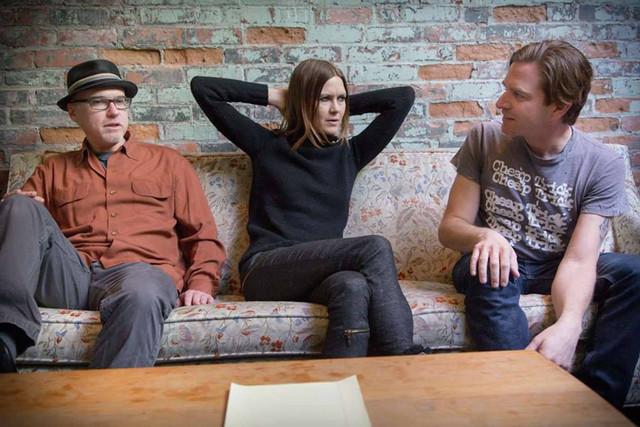
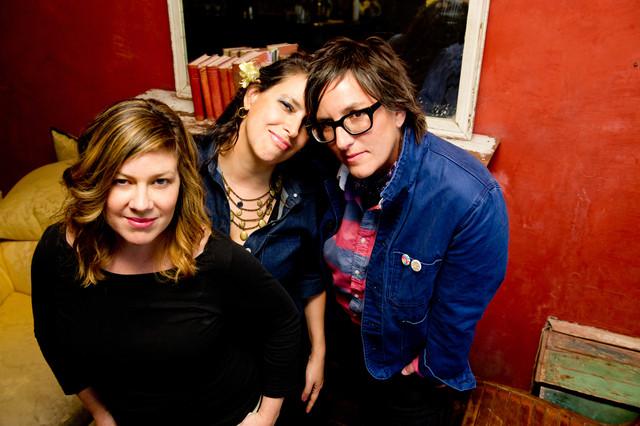
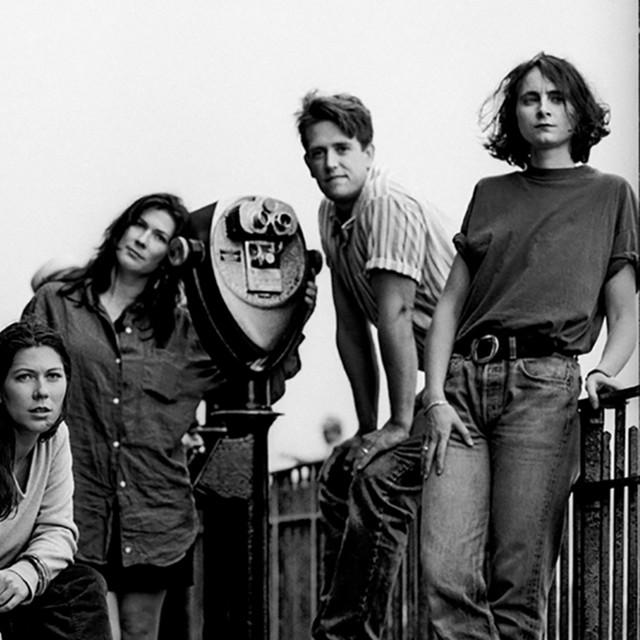
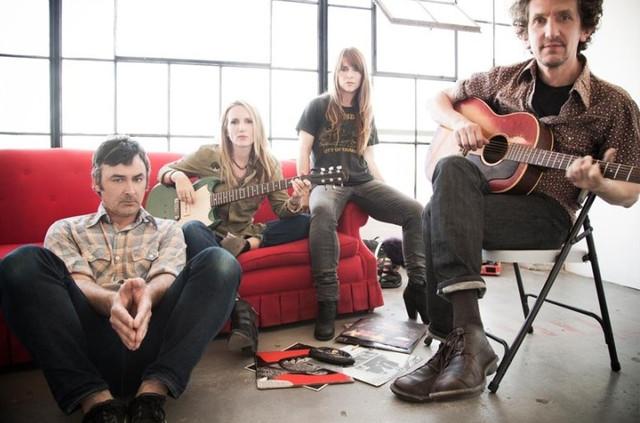
Belly’s Spotify BioOne of the early beneficiaries of the acceptance of alternative rock into the mainstream, Belly was the band that propelled cult heroine Tanya Donelly into the spotlight. Previously a member of Throwing Muses and briefly in the Breeders, Donelly formed Belly in 1992, and the band melded sophisticated pop hooks with Donelly's psych-influenced, guitar-based melodies. After charming critics, Belly scaled the charts when their song "Feed the Tree" became a hit single and their debut album, Star, went gold. The group's original run was brief, with Belly disbanding in 1996, but they returned to duty with a reunion tour in 2016, followed by an album in 2018.
Donelly (vocals, guitar) broke away from Throwing Muses in late 1991, forming Belly with fellow ex-Muse Fred Abong (bass), drummer Chris Gorman, and his guitarist brother Tom. Donelly hired Pixies producer Gil Norton to work on the group's debut EP, Slow Dust, which confirmed that her dream pop sensibilities had more hooks than many of her… peers. Slow Dust reached number one on the British indie charts in early 1992, and two other EPs followed that year, generating strong word of mouth. Belly's debut album, Star, was released in February of 1993 to strong reviews, and its first single, "Feed the Tree," reached the U.K. Top 40, helping the album enter the British charts at number two. Shortly afterward, the single became a crossover hit in the U.S. The band added Gail Greenwood as bassist -- Fred Abong left the band during the recording of Star -- that spring, and spent the remainder of 1993 on tour, helping send the album to gold status in America.
Belly recorded their second album, King, with classic rock producer Glyn Johns in 1994. King was more rock-oriented than its predecessor, partially because of Johns' work and partially because of Greenwood, who was a harder rocker than Donelly. King was expected to outperform the debut, yet it was greeted with mixed reviews upon its spring release and quickly fell off the charts. In the wake of its commercial disappointment, Donelly disbanded Belly in 1996. She went solo, and released four studio albums and a series of EPs through the early 2010s, as she raised a family with husband Dean Fisher. Greenwood played with L7 and Bif Naked, then formed Benny Sizzler, while the Gorman brothers worked as commercial photographers. In early 2016, Belly announced they were working on new material and planning a series of live dates. Following that 2016 tour, the band headed into the studio and in 2018 they released Dove, their first full-length record in 23 years. They supported the album with a tour of the U.K. and North America. ~ Stephen Thomas Erlewine, Rovi
Viberate is a music analytics platform built for A&Rs, artist managers, labels, booking agents, marketers, and artists.
It helps music professionals track artist growth, analyze audience data, monitor playlist activity, compare artists, follow song performance, and identify opportunities across the music market.
Public artist pages provide a free preview of selected artist data. Paid plans provide access to deeper analytics, historical data, charts, comparisons, playlist tools, exports, alerts, reports, and additional professional features.
Yes. Public Viberate artist pages provide selected artist analytics and music data for free.
Viberate also offers a 7-day free trial of the full platform. A credit card is required to start the trial. The trial includes access to the complete product so users can test deeper artist analytics, historical views, playlist insights, comparisons, charts, exports, alerts, and reporting features before choosing a paid plan.
Viberate provides artist analytics across streaming, playlists, social media, video, radio airplay, songs, and audience markets.
Users can analyze Spotify performance, Spotify and Apple Music playlists, YouTube activity, TikTok and Instagram growth, radio spins, song performance, audience locations, demographics, rankings, and overall artist momentum.
Artist profiles also connect to music charts, similar artists, and comparison tools, helping users benchmark performance and evaluate artists in context.
Viberate updates key artist and track data daily.
For followed artists and tracks, selected data is refreshed multiple times per day. This helps teams monitor playlist changes, streaming movement, audience growth, releases, and campaign performance with more current data.
Update frequency can vary depending on the metric and data source.
Yes. Viberate lets users compare up to five artists side by side across streaming, social media, audience, and engagement metrics.
Users can compare fanbase growth, audience demographics, locations, Spotify performance, social metrics, and other artist data over selected time periods.
Artist comparison can be used for A&R scouting, benchmarking, booking decisions, campaign planning, and evaluating artists with similar audiences or market positions.