Luluc

Pop
Indie Pop
Indie Folk
 Viberate Rank: 117514
 Viberate Rank: 117514
 Monthly ListenersFollowers
 Subscribers
 Followers
 Followers
 FansTop Spotify Songs
| Track | 7-Day Streams | |
|---|---|---|
1 | 49.37K | |
2 | 6.82K | |
3 | 5.71K | |
4 | 2.41K | |
5 | 1.79K |
Top YouTube VideosMonthly ListenersFeatured in Playlists| Playlist | Followers | |
|---|---|---|
1 |  Your Favorite Coffeehouse Spotify | 4.00M |
2 |  Chill Vibes Spotify | 2.38M |
3 |  Roots Rising Spotify | 1.68M |
4 |  Coffee + Chill Spotify | 615.13K |
5 |  The Picnic List Spotify | 235.38K |
Audience| City | Monthly Listeners | |
|---|---|---|
1 | | 4.70K |
2 | | 4.55K |
3 | | 3.10K |
4 |  | 2.25K |
5 |  | 2.23K |
See full performance history, audience data, playlist activity, rankings, comparisons, and more in Viberate music analytics. Start with a free trial, then continue with a paid plan.
Luluc’s Spotify BioLuluc is the singing/songwriting of Zoe Randell and multi-instrumentalist Steve Hassett. Zoe’s poetic style and unique alto voice draws comparisons to Simon & Garfunkel and Nico.
Emerging from the Melbourne scene in the 2010’s, Luluc’s sparse folk-noir debut Dear Hamlyn drew many high profile international fans and tours and they signed to the legendary Sub Pop Records for their follow up 2014’s Passerby. Produced with Aaron Dessner in their adopted home of Brooklyn, NY, Passerby made various ‘year-end’ lists and was NPR's #1 album.
The 2018 release Sculptor (Sub Pop) was again broadly lauded by the international music press while they toured extensively in the USA, Canada, Australia, UK and Europe with The National and J Mascis among others.
Luluc's Dreamboat (2020) was described by The New Yorker as “crystalline and unflappable, with a strange beauty that verges on creepy—it's the kind of voice that, on a movie soundtrack, portends unspeakable doom".
Luluc's latest album Diamonds (2023)… was described by All Music's Timothy Monger as ""...one of their most complete statements to date. With her distinctive low voice and unhurried pace, Randell is a master at describing the underlooked details of life, bringing to them a richness and sense of wonder. Each album in the band's catalog is a gem and Diamonds, with its dream-like tone and bouquet of lived-in stories, is perhaps their brightest."
(Luluc is pronounced Lou-Luke)
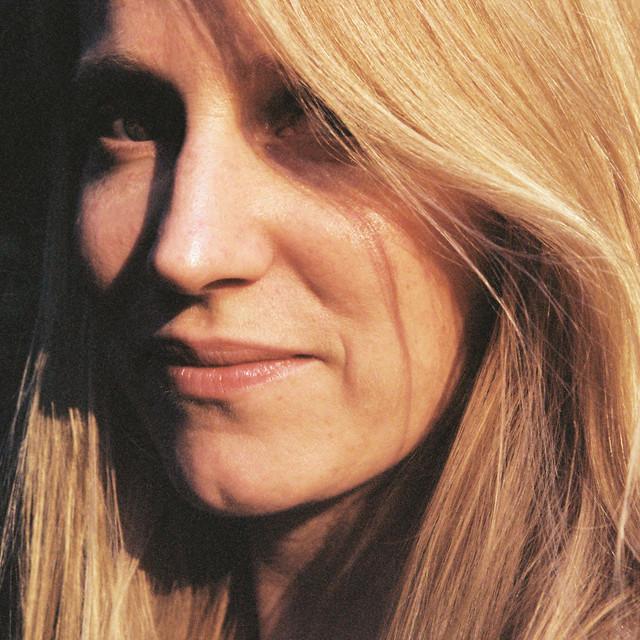
Photography by Charlotte De Mezamat
Viberate is a music analytics platform built for A&Rs, artist managers, labels, booking agents, marketers, and artists.
It helps music professionals track artist growth, analyze audience data, monitor playlist activity, compare artists, follow song performance, and identify opportunities across the music market.
Public artist pages provide a free preview of selected artist data. Paid plans provide access to deeper analytics, historical data, charts, comparisons, playlist tools, exports, alerts, reports, and additional professional features.
Yes. Public Viberate artist pages provide selected artist analytics and music data for free.
Viberate also offers a 7-day free trial of the full platform. A credit card is required to start the trial. The trial includes access to the complete product so users can test deeper artist analytics, historical views, playlist insights, comparisons, charts, exports, alerts, and reporting features before choosing a paid plan.
Viberate provides artist analytics across streaming, playlists, social media, video, radio airplay, songs, and audience markets.
Users can analyze Spotify performance, Spotify and Apple Music playlists, YouTube activity, TikTok and Instagram growth, radio spins, song performance, audience locations, demographics, rankings, and overall artist momentum.
Artist profiles also connect to music charts, similar artists, and comparison tools, helping users benchmark performance and evaluate artists in context.
Viberate updates key artist and track data daily.
For followed artists and tracks, selected data is refreshed multiple times per day. This helps teams monitor playlist changes, streaming movement, audience growth, releases, and campaign performance with more current data.
Update frequency can vary depending on the metric and data source.
Yes. Viberate lets users compare up to five artists side by side across streaming, social media, audience, and engagement metrics.
Users can compare fanbase growth, audience demographics, locations, Spotify performance, social metrics, and other artist data over selected time periods.
Artist comparison can be used for A&R scouting, benchmarking, booking decisions, campaign planning, and evaluating artists with similar audiences or market positions.