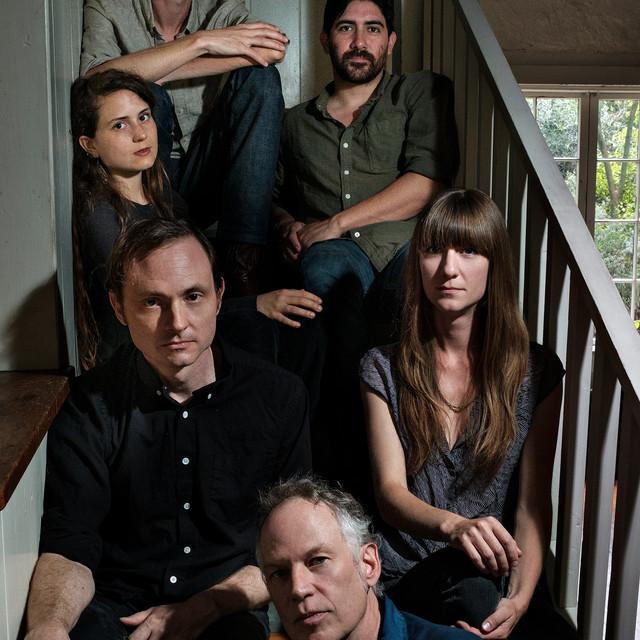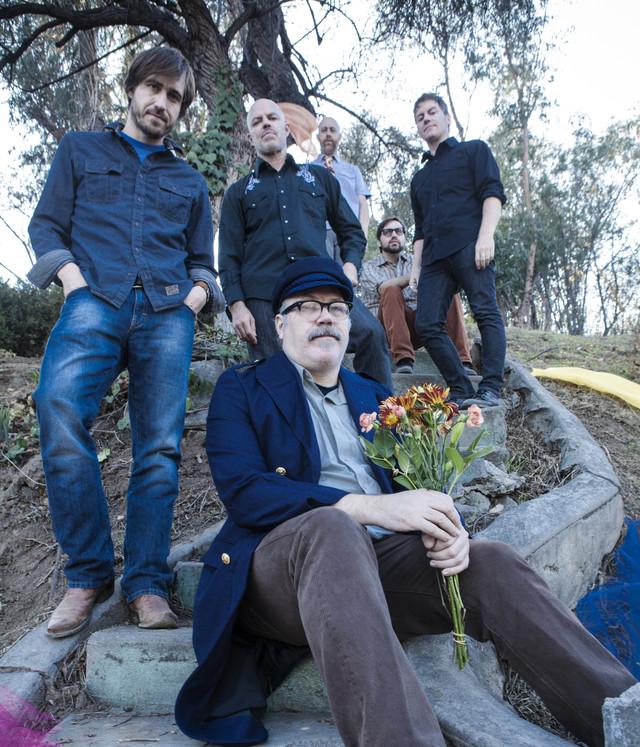
Lullaby For The Working Class

Country
Americana/Alt Country
Alternative Rock
 Viberate Rank: 406591
 Viberate Rank: 406591
 Monthly ListenersFollowers
 Subscribers
 Followers
 Followers
 FansTop Spotify Songs
| Track | 7-Day Streams | |
|---|---|---|
1 | 255 | |
2 | 142 | |
3 | 118 | |
4 | 112 | |
5 | 86 |
Top YouTube VideosMonthly ListenersFeatured in Playlists| Playlist | Followers | |
|---|---|---|
1 | giant 90s alt/indie/etc playlist PART 3: 1997-1999 Aroon Karvna | 12.66K |
2 |  Duyster (all tracks ever played) Wike | 8.15K |
3 |  Studio Brussel: duyster (all tracks ever played) Studio Brussel | 3.29K |
4 |  Shoegaze / Dream Pop / 80s Indie / Slowcore / Sadcore etc fete_foraine | 1.25K |
5 |  Best of Bar None Records Bar/None Records | 1.06K |
Audience| City | Monthly Listeners | |
|---|---|---|
1 | | 48 |
2 | | 37 |
3 | | 35 |
4 |  | 30 |
5 | | 30 |
See full performance history, audience data, playlist activity, rankings, comparisons, and more in Viberate music analytics. Start with a free trial, then continue with a paid plan.
Lullaby For The Working Class’ Spotify BioLullaby for the Working Class hails from Nebraska and combines the '90s chamber pop sounds of Lambchop and Tindersticks and the country-rock stylings of Gram Parsons. Originally the band started out as a two-piece with Mike Mogis and Ted Stevens, both singer/songwriter musicians. To make the band complete, AJ Mogis (bass) and Shane Aspegren (drums) joined Lullaby for the Working Class and shortly thereafter the band inked a deal with Bar-None Records while making themselves noticed at various gigs in and around N.Y.C., specifically at the CMJ Music Festival. Their 1996 debut Blanket Warm was critically acclaimed, making ways for fellow Nebraska bands (Commander Venus, Norman Baylor, We'd Rather Be Flying) to venture outside the cornhusker state. A sophomore effort I Never Even Asked for Light followed in 1997 and Song was released two years later. ~ MacKenzie Wilson, Rovi
Viberate is a music analytics platform built for A&Rs, artist managers, labels, booking agents, marketers, and artists.
It helps music professionals track artist growth, analyze audience data, monitor playlist activity, compare artists, follow song performance, and identify opportunities across the music market.
Public artist pages provide a free preview of selected artist data. Paid plans provide access to deeper analytics, historical data, charts, comparisons, playlist tools, exports, alerts, reports, and additional professional features.
Yes. Public Viberate artist pages provide selected artist analytics and music data for free.
Viberate also offers a 7-day free trial of the full platform. A credit card is required to start the trial. The trial includes access to the complete product so users can test deeper artist analytics, historical views, playlist insights, comparisons, charts, exports, alerts, and reporting features before choosing a paid plan.
Viberate provides artist analytics across streaming, playlists, social media, video, radio airplay, songs, and audience markets.
Users can analyze Spotify performance, Spotify and Apple Music playlists, YouTube activity, TikTok and Instagram growth, radio spins, song performance, audience locations, demographics, rankings, and overall artist momentum.
Artist profiles also connect to music charts, similar artists, and comparison tools, helping users benchmark performance and evaluate artists in context.
Viberate updates key artist and track data daily.
For followed artists and tracks, selected data is refreshed multiple times per day. This helps teams monitor playlist changes, streaming movement, audience growth, releases, and campaign performance with more current data.
Update frequency can vary depending on the metric and data source.
Yes. Viberate lets users compare up to five artists side by side across streaming, social media, audience, and engagement metrics.
Users can compare fanbase growth, audience demographics, locations, Spotify performance, social metrics, and other artist data over selected time periods.
Artist comparison can be used for A&R scouting, benchmarking, booking decisions, campaign planning, and evaluating artists with similar audiences or market positions.