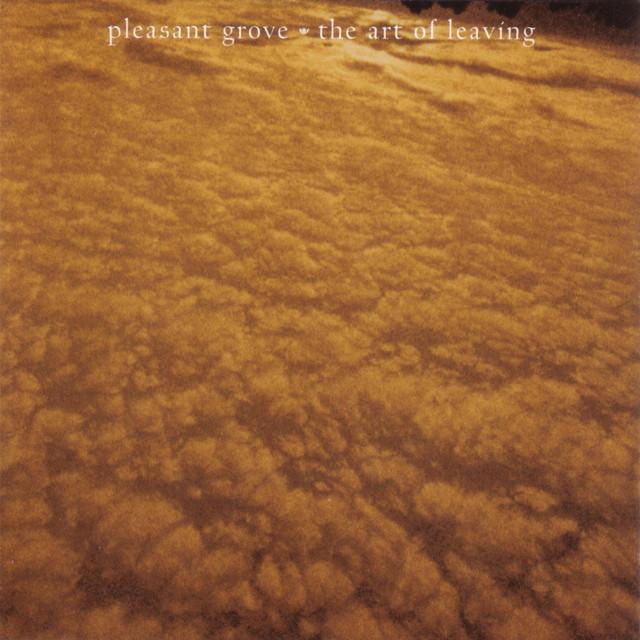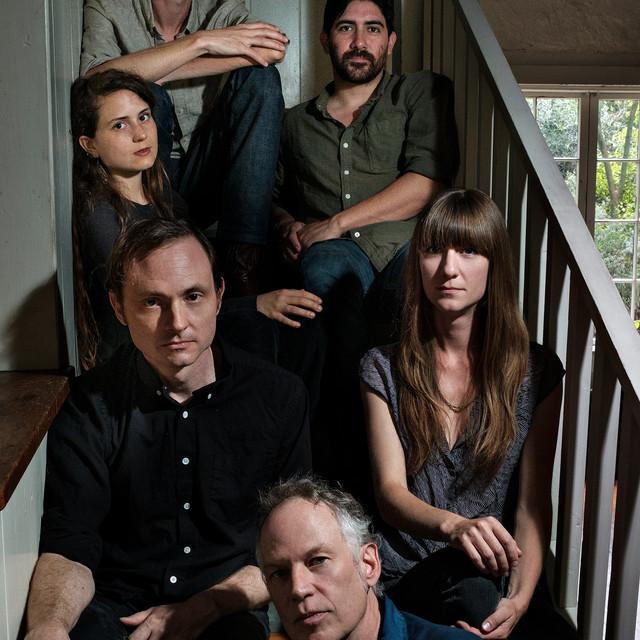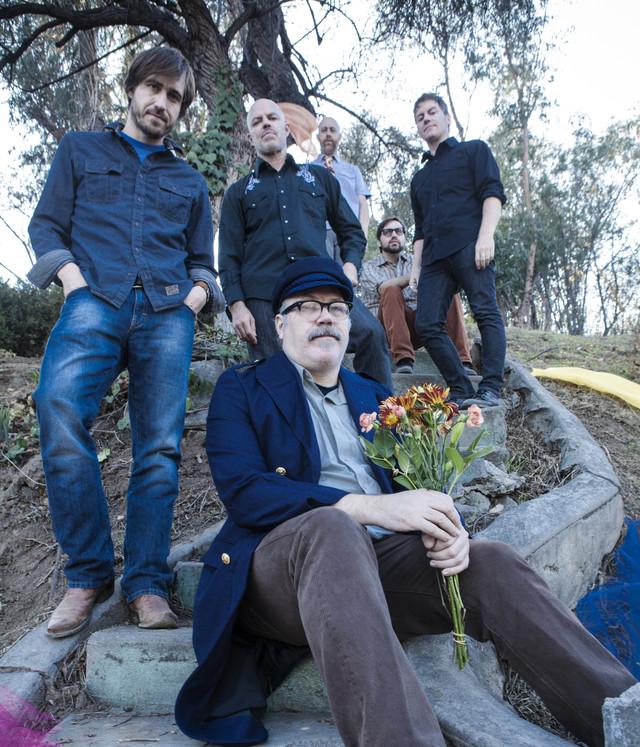
Radar Brothers

Rock
Indie Rock
Alternative Rock
 Viberate Rank: 451167
 Viberate Rank: 451167
 Monthly ListenersFollowers
 Subscribers
 Followers
 Followers
 FansTop Spotify Songs
| Track | 7-Day Streams | |
|---|---|---|
1 | 67 | |
2 | 54 | |
3 | 51 | |
4 | 43 | |
5 | 37 |
Top YouTube VideosMonthly ListenersFeatured in Playlists| Playlist | Followers | |
|---|---|---|
1 |  Parenthood Soundtrack itsthekitts | 9.05K |
2 |  Duyster (all tracks ever played) Wike | 8.15K |
3 |  Off Your Face anton newcombe | 5.86K |
4 | Parenthood Soundtrack brandonmbullock | 3.63K |
5 |  90s Alternative Rock & Indie: Hits & Deep Cuts Carefully Curated. | 3.61K |
Audience| City | Monthly Listeners | |
|---|---|---|
1 | | 21 |
2 | | 18 |
3 |  | 15 |
4 | | 14 |
5 | | 14 |
See full performance history, audience data, playlist activity, rankings, comparisons, and more in Viberate music analytics. Start with a free trial, then continue with a paid plan.
Radar Brothers’ Spotify BioThe L.A.-based Radar Bros. -- originally comprised of guitarist Jim Putnam (Medicine, Maids of Gravity), bassist Senon Williams (Dengue Fever), and drummer Steve Goodfriend -- debuted with a self-titled EP (Fingerpaint Records) and quickly gained themselves a following in the U.K. By 1996, the band had signed to Restless Records and issued a self-titled LP that combined sonic guitarscapes and smoky melodies, earning Radar Bros. a slowcore/sadcore tag and aligning them with peers Acetone and Low (while evoking memories of Neil Young, Brian Wilson, and Pink Floyd). Singing Hatchet followed in 1999, and the band supported its release with tours across North America, the U.K., and Europe. Three years went by before their sun-drenched follow-up was released, but And the Surrounding Mountains was a Crazy Horse-meets-Pink Floyd record that brightened the Merge Records release schedule in the spring of 2002. The band subsequently chose to stick with Merge, releasing The Fallen Leaf Pages in… 2005 and Auditorium (their first album with guitarist/keyboardist Jeff Palmer) in 2008. By their 2010 release The Illustrated Garden, the band consisted of Putnam along with bass player Be Hussey and drummer Stevie Treichel. In 2013, the band resurfaced with eighth album Eight, with cover art paying tribute to the artwork of Joni Mitchell's breakthrough album The Hissing of Summer Lawns. ~ Denise Sullivan, Rovi
Viberate is a music analytics platform built for A&Rs, artist managers, labels, booking agents, marketers, and artists.
It helps music professionals track artist growth, analyze audience data, monitor playlist activity, compare artists, follow song performance, and identify opportunities across the music market.
Public artist pages provide a free preview of selected artist data. Paid plans provide access to deeper analytics, historical data, charts, comparisons, playlist tools, exports, alerts, reports, and additional professional features.
Yes. Public Viberate artist pages provide selected artist analytics and music data for free.
Viberate also offers a 7-day free trial of the full platform. A credit card is required to start the trial. The trial includes access to the complete product so users can test deeper artist analytics, historical views, playlist insights, comparisons, charts, exports, alerts, and reporting features before choosing a paid plan.
Viberate provides artist analytics across streaming, playlists, social media, video, radio airplay, songs, and audience markets.
Users can analyze Spotify performance, Spotify and Apple Music playlists, YouTube activity, TikTok and Instagram growth, radio spins, song performance, audience locations, demographics, rankings, and overall artist momentum.
Artist profiles also connect to music charts, similar artists, and comparison tools, helping users benchmark performance and evaluate artists in context.
Viberate updates key artist and track data daily.
For followed artists and tracks, selected data is refreshed multiple times per day. This helps teams monitor playlist changes, streaming movement, audience growth, releases, and campaign performance with more current data.
Update frequency can vary depending on the metric and data source.
Yes. Viberate lets users compare up to five artists side by side across streaming, social media, audience, and engagement metrics.
Users can compare fanbase growth, audience demographics, locations, Spotify performance, social metrics, and other artist data over selected time periods.
Artist comparison can be used for A&R scouting, benchmarking, booking decisions, campaign planning, and evaluating artists with similar audiences or market positions.