Lucerin Blue

Rock
Alternative Rock
Pop Rock
 Viberate Rank: 453664
 Viberate Rank: 453664
 Monthly ListenersFollowers
 Subscribers
 Followers
 Followers
 FansTop Spotify SongsTop YouTube VideosMonthly ListenersFeatured in Playlists
| Playlist | Followers | |
|---|---|---|
1 |  Tooth and Nail Records (1993 - 2004) Jake | 1.75K |
2 |  Christian Nu Metal Nu Metal Kingdom | 1.57K |
3 |  Christian Grunge Hits Unixan | 1.33K |
4 |  X 2003 - 2012: Christian Rock Hits shadrach_501st | 1.16K |
5 |  christian midwest emo (the psalms) merekc315 | 1.09K |
Audience| City | Monthly Listeners | |
|---|---|---|
1 |  | 37 |
2 | | 32 |
3 | | 21 |
4 | | 15 |
5 | | 14 |
See full performance history, audience data, playlist activity, rankings, comparisons, and more in Viberate music analytics. Start with a free trial, then continue with a paid plan.
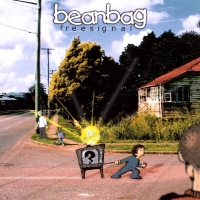
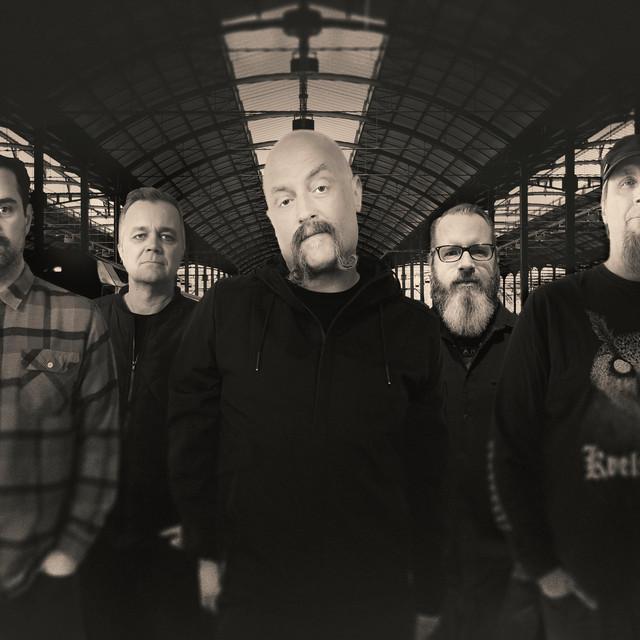
Lucerin Blue’s Spotify BioMusically, Lucerin Blue has fit right into the post-grunge alternative rock scene of the '90s and 2000s. But lyrically, there is something that separates the Canadian alterna-rockers from Linkin Park, 3 Doors Down, Default, or Eagle Eye Cherry: Lucerin Blue is a Christian band. However, the members of Lucerin Blue don't beat listeners over the head with their Christian message. Their contemplative lyrics are spiritual, but not in a preachy, in-your-face way; one has to scratch beneath the surface and do some research to learn about the band's religious beliefs. In fact, the official bio that Tooth & Nail Records sent out to the media with Lucerin Blue's Tales of the Knife album in 2003 made no mention of Christianity.
Originally known as Natural Saint, Lucerin Blue was formed in Goderich, Ontario, Canada, in 1997. Along the way, their forceful yet melodic post-grunge has been influenced by a variety of alterna-rock bands. The Deftones are a strong influence; so are Pearl Jam, Live, and …the Foo Fighters. Creed is a frequent comparison, as are Linkin Park and Puddle of Mudd. Like so many other alternative rockers of the '90s and 2000s, Lucerin Blue has been influenced by hip-hop; however, the band isn't a rap-metal act à la Rage Against the Machine, Limp Bizkit, Korn, or Kid Rock. When they were still called Natural Saint, the Canadians provided an album titled Black Pyramid; by the time they recorded their second album, Tales of the Knife, in Vancouver, British Columbia, they had changed their name to Lucerin Blue.
Tales of the Knife was originally released on the Chordant label in 2002; after that, Lucerin Blue signed with the Seattle-based Tooth & Nail, which reissued Tales of the Knife in May 2003. That year, the band's lineup consisted of Justin Morgan on lead vocals and rhythm guitar, Nathan Byle on lead guitar and background vocals, Paul Rennick on bass and background vocals, and Ryan Turner on drums. It should be noted that Byle lost half of his left middle finger in a sawing accident when he was 15, which hasn't prevented him from serving as the band's lead guitarist. ~ Alex Henderson, Rovi
Viberate is a music analytics platform built for A&Rs, artist managers, labels, booking agents, marketers, and artists.
It helps music professionals track artist growth, analyze audience data, monitor playlist activity, compare artists, follow song performance, and identify opportunities across the music market.
Public artist pages provide a free preview of selected artist data. Paid plans provide access to deeper analytics, historical data, charts, comparisons, playlist tools, exports, alerts, reports, and additional professional features.
Yes. Public Viberate artist pages provide selected artist analytics and music data for free.
Viberate also offers a 7-day free trial of the full platform. A credit card is required to start the trial. The trial includes access to the complete product so users can test deeper artist analytics, historical views, playlist insights, comparisons, charts, exports, alerts, and reporting features before choosing a paid plan.
Viberate provides artist analytics across streaming, playlists, social media, video, radio airplay, songs, and audience markets.
Users can analyze Spotify performance, Spotify and Apple Music playlists, YouTube activity, TikTok and Instagram growth, radio spins, song performance, audience locations, demographics, rankings, and overall artist momentum.
Artist profiles also connect to music charts, similar artists, and comparison tools, helping users benchmark performance and evaluate artists in context.
Viberate updates key artist and track data daily.
For followed artists and tracks, selected data is refreshed multiple times per day. This helps teams monitor playlist changes, streaming movement, audience growth, releases, and campaign performance with more current data.
Update frequency can vary depending on the metric and data source.
Yes. Viberate lets users compare up to five artists side by side across streaming, social media, audience, and engagement metrics.
Users can compare fanbase growth, audience demographics, locations, Spotify performance, social metrics, and other artist data over selected time periods.
Artist comparison can be used for A&R scouting, benchmarking, booking decisions, campaign planning, and evaluating artists with similar audiences or market positions.