Beanbag

Rock
Alternative Rock
Pop Rock
Christian Music
 Viberate Rank: 476221
 Viberate Rank: 476221
 Monthly ListenersFollowers
 Subscribers
 Followers
 Followers
 FansTop Spotify SongsTop YouTube VideosMonthly ListenersFeatured in Playlists
| Playlist | Followers | |
|---|---|---|
1 | Dawsons Creek - All Songs from all Seasons Jürgen Koller | 21.55K |
2 |  Relax & De-Stress | morning mood | morning chill | morning vibe | morning coffee | wakeup lofi | zen lofique. | 7.31K |
3 |  Best of Numetal chase | 5.45K |
4 |  Rediscover Funk Metal Funk Norris | 3.88K |
5 | rare nu-metal felixwhiite | 3.73K |
Audience| City | Monthly Listeners | |
|---|---|---|
1 | | 25 |
2 |  | 13 |
3 | | 12 |
4 | | 11 |
5 |  | 11 |
See full performance history, audience data, playlist activity, rankings, comparisons, and more in Viberate music analytics. Start with a free trial, then continue with a paid plan.
Beanbag’s Spotify BioThe hardcore Christian rock group Beanbag was formed in 1996, way down under in Brisbane, Australia. The band, rightly nicknamed by some as "Australia's Masters of the Bizarre," is made up of drummer Phil Usher, vocalist Hunz Van Vliet, bassist Phil "Hirvy" Hirveda, and guitarist Michael Mullins. The explosive music these talented young men offer, filled with hip-hop grooves and metal riffs powerful enough to numb the brain, brings to mind groups like Korn, P.O.D., Rage Against the Machine, Limp Bizkit, and Project 86.
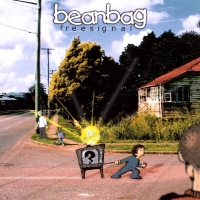
Beanbag grew a large fan base with the release of two demos, an EP, and a number of high-energy live shows in Australia before reaching the market in the United States in about 1998. In 2000, the foursome saw the release of a debut full-length album under the brand new Inpop Records label, backed by Peter Furler, Wes Campbell, and Sparrow Records. The album, Free Signal, carries punk metal tracks like "Bite the Hand," "Disturbed," and "Happy Dispatch." The impressive… debut brought the group two nominations for Dove Awards: one for Best Hard Rock Album and one for Best Hard Rock Single for the tune "Whiplash."
Since the band formed, Beanbag has played at a large assortment of festivals in both Australia and America, always bringing a positive message to audiences. After a whirlwind introduction, Beanbag resurfaced in early 2001 with Welladjusted. ~ Charlotte Dillon, Rovi
Viberate is a music analytics platform built for A&Rs, artist managers, labels, booking agents, marketers, and artists.
It helps music professionals track artist growth, analyze audience data, monitor playlist activity, compare artists, follow song performance, and identify opportunities across the music market.
Public artist pages provide a free preview of selected artist data. Paid plans provide access to deeper analytics, historical data, charts, comparisons, playlist tools, exports, alerts, reports, and additional professional features.
Yes. Public Viberate artist pages provide selected artist analytics and music data for free.
Viberate also offers a 7-day free trial of the full platform. A credit card is required to start the trial. The trial includes access to the complete product so users can test deeper artist analytics, historical views, playlist insights, comparisons, charts, exports, alerts, and reporting features before choosing a paid plan.
Viberate provides artist analytics across streaming, playlists, social media, video, radio airplay, songs, and audience markets.
Users can analyze Spotify performance, Spotify and Apple Music playlists, YouTube activity, TikTok and Instagram growth, radio spins, song performance, audience locations, demographics, rankings, and overall artist momentum.
Artist profiles also connect to music charts, similar artists, and comparison tools, helping users benchmark performance and evaluate artists in context.
Viberate updates key artist and track data daily.
For followed artists and tracks, selected data is refreshed multiple times per day. This helps teams monitor playlist changes, streaming movement, audience growth, releases, and campaign performance with more current data.
Update frequency can vary depending on the metric and data source.
Yes. Viberate lets users compare up to five artists side by side across streaming, social media, audience, and engagement metrics.
Users can compare fanbase growth, audience demographics, locations, Spotify performance, social metrics, and other artist data over selected time periods.
Artist comparison can be used for A&R scouting, benchmarking, booking decisions, campaign planning, and evaluating artists with similar audiences or market positions.