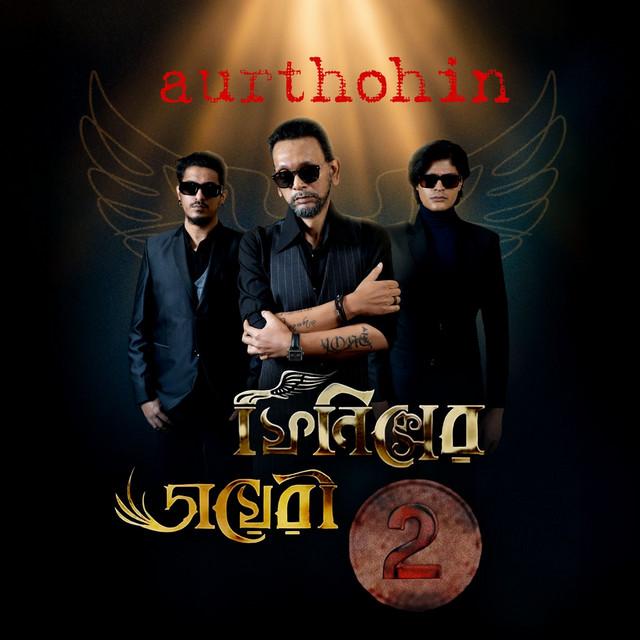
LRB

Rock
Hard Rock
Folk Pop
Alternative Rock
 Viberate Rank: 80582
 Viberate Rank: 80582
 Monthly ListenersFollowers
 Subscribers
 Followers
 Followers
 FansTop Spotify Songs
| Track | 7-Day Streams | |
|---|---|---|
1 | 7.10K | |
2 | 6.34K | |
3 | 4.70K | |
4 | 4.55K | |
5 | 1.78K |
Top YouTube VideosMonthly ListenersFeatured in Playlists| Playlist | Followers | |
|---|---|---|
1 | Bangla Popular Band Songs Rafi Adnan | 19.64K |
2 | Bengali heart broken songs 💔💔 SAD GUY 💔🙂 | 19.61K |
3 |  Shomopti Bistortion | 15.77K |
4 | বাংলা দুঃখের গান Som Sujit | 14.83K |
5 |  Bangladeshi Songs Hits(বাংলাদেশি হিট) ❤️🌻 Sheikh Mohsin | 9.86K |
Audience| City | Monthly Listeners | |
|---|---|---|
1 | | 16.83K |
2 |  | 4.42K |
3 | | 1.92K |
4 | | 774 |
5 | | 754 |
See full performance history, audience data, playlist activity, rankings, comparisons, and more in Viberate music analytics. Start with a free trial, then continue with a paid plan.
LRB’s Spotify BioLove Runs Blind, often abbreviated as LRB, is a Bangladeshi rock band formed in 1991 in Chittagong City by Ayub Bachchu. They are one of the most successful bands in Bangladesh.
Since their formation, they have released thirteen studio albums, one live album, and two compilation albums. They have also appeared in several mixed albums. They are considered to be among the pioneers of Bangladeshi hard rock music. They were originally formed as a hard rock band, but have experimented with many subgenres of rock and roll.
After signing with Sargam Records, LRB released the first double album in Bangladesh, LRB I and LRB II in 1992. Their 3rd album "সুখ (Happiness)" (1993) helped them to get more commercial success in the country and featured the song "চলো বদলে যাই (Let's Change)", which is one of the most popular rock songs in Bangladesh. Their popularity continued with hit albums like "তবুও (Yet)" (1994), "ঘুমন্ত শহরে (In the Sleeping City)" (1995) etc. In September 1996, they released… "Ferari Mon: Unplugged Live", which was the first live album in Bangladesh. They are the only Bangladeshi band to perform in the Madison Square Garden, New York. They rose to mainstream fame in the early 1990s and is part of the "Big Three of Rock" along with Ark and Nagar Baul, who were responsible for popularizing hard rock music in Bangladesh in the 1990s.
Viberate is a music analytics platform built for A&Rs, artist managers, labels, booking agents, marketers, and artists.
It helps music professionals track artist growth, analyze audience data, monitor playlist activity, compare artists, follow song performance, and identify opportunities across the music market.
Public artist pages provide a free preview of selected artist data. Paid plans provide access to deeper analytics, historical data, charts, comparisons, playlist tools, exports, alerts, reports, and additional professional features.
Yes. Public Viberate artist pages provide selected artist analytics and music data for free.
Viberate also offers a 7-day free trial of the full platform. A credit card is required to start the trial. The trial includes access to the complete product so users can test deeper artist analytics, historical views, playlist insights, comparisons, charts, exports, alerts, and reporting features before choosing a paid plan.
Viberate provides artist analytics across streaming, playlists, social media, video, radio airplay, songs, and audience markets.
Users can analyze Spotify performance, Spotify and Apple Music playlists, YouTube activity, TikTok and Instagram growth, radio spins, song performance, audience locations, demographics, rankings, and overall artist momentum.
Artist profiles also connect to music charts, similar artists, and comparison tools, helping users benchmark performance and evaluate artists in context.
Viberate updates key artist and track data daily.
For followed artists and tracks, selected data is refreshed multiple times per day. This helps teams monitor playlist changes, streaming movement, audience growth, releases, and campaign performance with more current data.
Update frequency can vary depending on the metric and data source.
Yes. Viberate lets users compare up to five artists side by side across streaming, social media, audience, and engagement metrics.
Users can compare fanbase growth, audience demographics, locations, Spotify performance, social metrics, and other artist data over selected time periods.
Artist comparison can be used for A&R scouting, benchmarking, booking decisions, campaign planning, and evaluating artists with similar audiences or market positions.