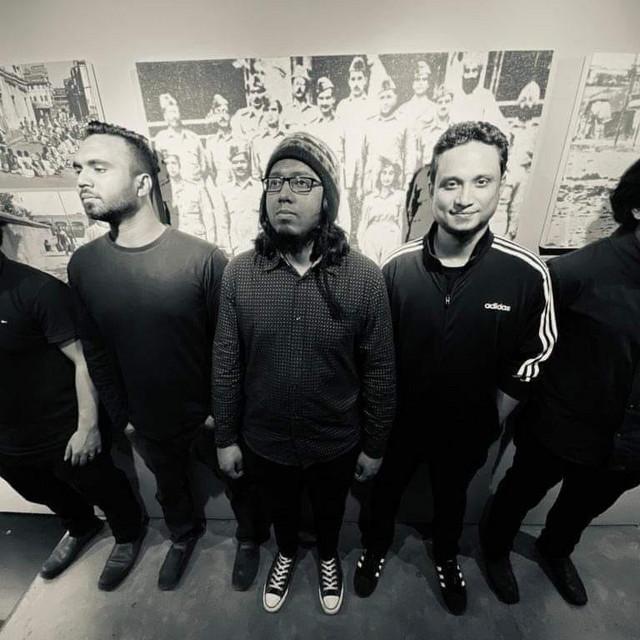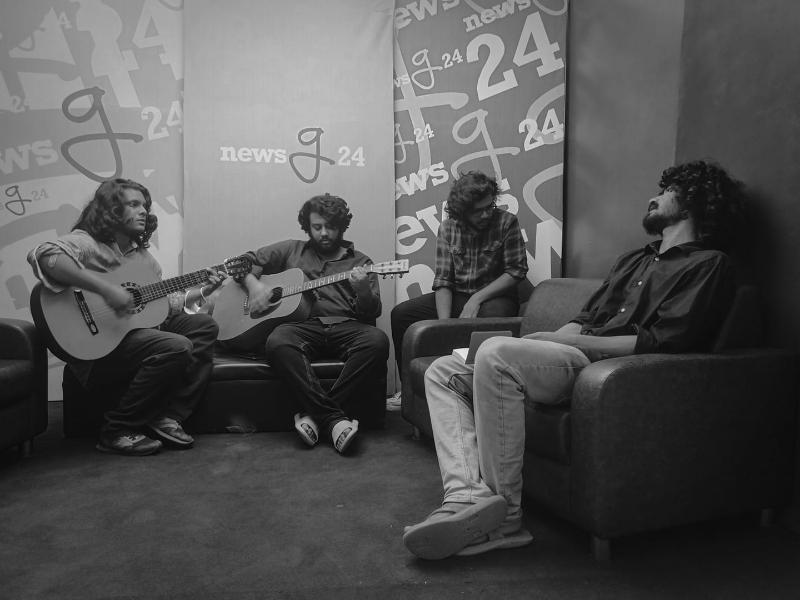
Shironamhin

Rock
Alternative Rock
Folk Pop
 Viberate Rank: 9170
 Viberate Rank: 9170
 Monthly ListenersFollowers
 Subscribers
 Followers
 Followers
 FansTop Spotify Songs
| Track | 7-Day Streams | |
|---|---|---|
1 | 72.56K | |
2 | 23.51K | |
3 | 21.02K | |
4 | 18.36K | |
5 | 17.86K |
Top YouTube Videos| Video | 7-Day Views | |
|---|---|---|
1 | 325.99K | |
2 | 318.78K | |
3 | 161.71K | |
4 | 125.57K | |
5 | 90.72K |
Monthly ListenersFeatured in Playlists| Playlist | Followers | |
|---|---|---|
1 |  Bangla Rock Spotify | 72.13K |
2 |  Best of Rabindra Sangeet Tanmay | 42.20K |
3 |  Bangla lofi and slowed![🎶] Zaman | 40.37K |
4 |  খোলা জানালা Sumon | 39.52K |
5 | Bangla All Time Best Songs Mahdi Sheikh | 32.04K |
Audience| City | Monthly Listeners | |
|---|---|---|
1 | | 92.05K |
2 |  | 31.42K |
3 | | 11.64K |
4 | | 5.12K |
5 | | 5.04K |
See full performance history, audience data, playlist activity, rankings, comparisons, and more in Viberate music analytics. Start with a free trial, then continue with a paid plan.
Shironamhin’s Spotify BioShironamhin is a Bangladeshi rock band formed in 1996 in Dhaka by Ziaur Rahman Zia. Initially, Zia formed the band with Jewel (guitarist) & Bulbul (vocal). They continued for 4 years with the same approach which they couldn’t manage to do in course of time. Shironamhin tried to record their own compositions from time to time in various studios that didn’t work as a result of a complete album. Tuhin Joined Shironamhin in 2000. He was from the same university (BUET) & same discipline (architecture) as Zia & they tried to carry the ship along with Farhan & Tushar who joined in 2003. Shafin was practicing drums, eager enough to prove himself as a musician joined Shironamhin in 2003. Diat (guitar) & Russel (keyboard) joined in 2010, 2011 respectively.
At first, they used to jam & perform in the campus gossip areas & street crowd. In course of time, they started to perform on the campus stage live performances bringing in some inevitable changes in the use of instruments.
Shironamhin started… their live performance journey by performing at the TSC auditorium, Dhaka University along with the stage drama performance of Podatik Nattyachakra in 1996 pohela boisakh. They started complete unplugged approach & have applied changes in course of time to describe their own nature & rock-based color more. But they didn’t give up the acoustic approach.
T
Viberate is a music analytics platform built for A&Rs, artist managers, labels, booking agents, marketers, and artists.
It helps music professionals track artist growth, analyze audience data, monitor playlist activity, compare artists, follow song performance, and identify opportunities across the music market.
Public artist pages provide a free preview of selected artist data. Paid plans provide access to deeper analytics, historical data, charts, comparisons, playlist tools, exports, alerts, reports, and additional professional features.
Yes. Public Viberate artist pages provide selected artist analytics and music data for free.
Viberate also offers a 7-day free trial of the full platform. A credit card is required to start the trial. The trial includes access to the complete product so users can test deeper artist analytics, historical views, playlist insights, comparisons, charts, exports, alerts, and reporting features before choosing a paid plan.
Viberate provides artist analytics across streaming, playlists, social media, video, radio airplay, songs, and audience markets.
Users can analyze Spotify performance, Spotify and Apple Music playlists, YouTube activity, TikTok and Instagram growth, radio spins, song performance, audience locations, demographics, rankings, and overall artist momentum.
Artist profiles also connect to music charts, similar artists, and comparison tools, helping users benchmark performance and evaluate artists in context.
Viberate updates key artist and track data daily.
For followed artists and tracks, selected data is refreshed multiple times per day. This helps teams monitor playlist changes, streaming movement, audience growth, releases, and campaign performance with more current data.
Update frequency can vary depending on the metric and data source.
Yes. Viberate lets users compare up to five artists side by side across streaming, social media, audience, and engagement metrics.
Users can compare fanbase growth, audience demographics, locations, Spotify performance, social metrics, and other artist data over selected time periods.
Artist comparison can be used for A&R scouting, benchmarking, booking decisions, campaign planning, and evaluating artists with similar audiences or market positions.