7L & Esoteric

Hip Hop
Contemporary Hip Hop
Underground Hip Hop
 Viberate Rank: 149766
 Viberate Rank: 149766
 Monthly ListenersFollowers
 Subscribers
 Followers
 Followers
 FansTop Spotify Songs
| Track | 7-Day Streams | |
|---|---|---|
1 | 6.59K | |
2 | 2.63K | |
3 | 2.40K | |
4 | 875 | |
5 | 873 |
Top YouTube Videos| Video | 7-Day Views | |
|---|---|---|
1 | 8.38K | |
2 | 2.26K | |
3 | 911 | |
4 | 378 | |
5 | 373 |
Monthly ListenersFeatured in Playlists| Playlist | Followers | |
|---|---|---|
1 | Hip hop instrumentals Maximilien Sautreau | 40.78K |
2 |  Instrumental Hip Hop Beats Elias Jungbeck | 39.56K |
3 |  The Hip Hop Rap Vault: Classic & new '90s to 2000s Lindomar Jon-Ming | 21.88K |
4 |  KESSEL MUSS BRENNEN Daniel Hernes | 18.92K |
5 | Gonzalo Zambrano | 12.34K |
Audience| City | Monthly Listeners | |
|---|---|---|
1 |  | 351 |
2 | | 327 |
3 |  | 304 |
4 |  | 258 |
5 |  | 248 |
See full performance history, audience data, playlist activity, rankings, comparisons, and more in Viberate music analytics. Start with a free trial, then continue with a paid plan.
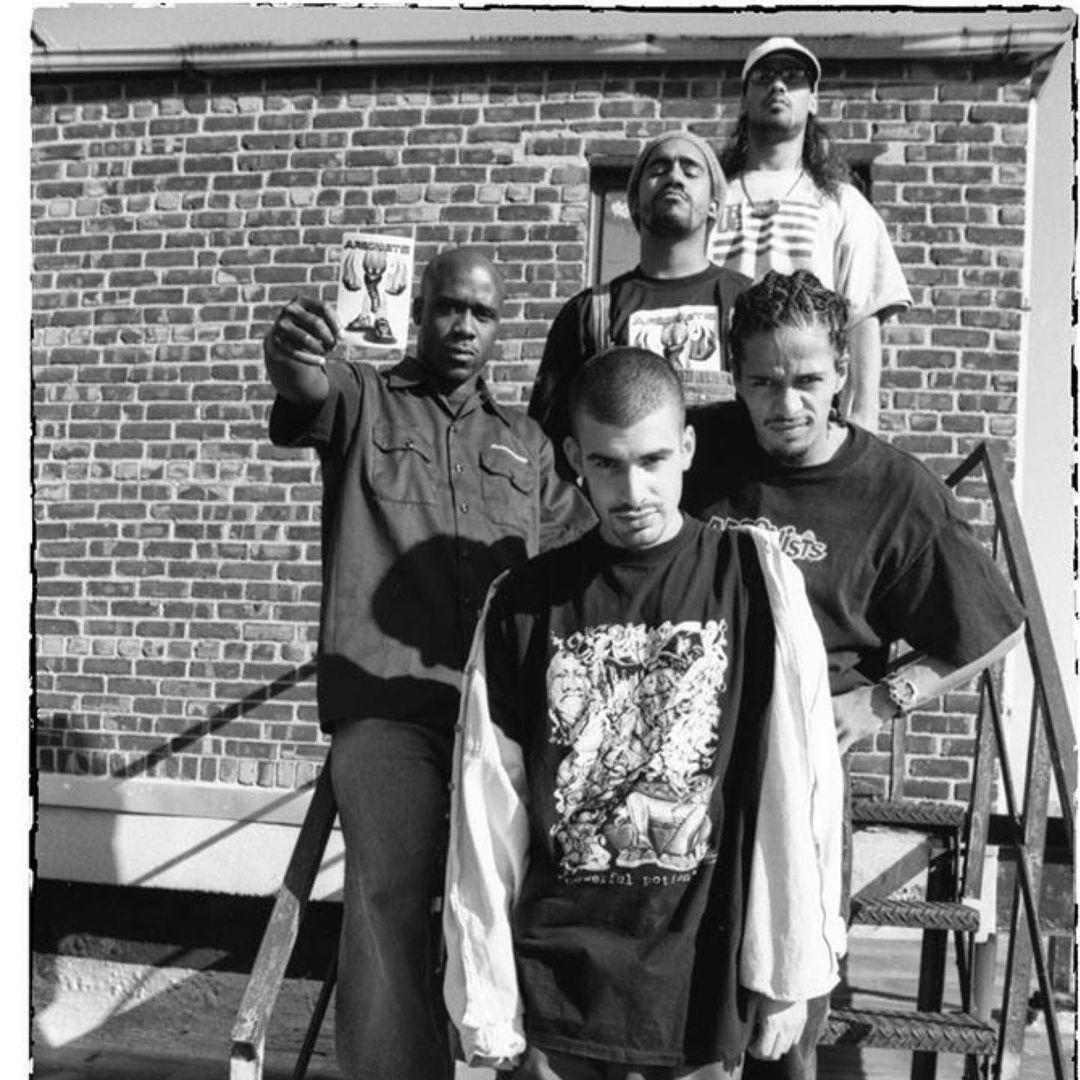
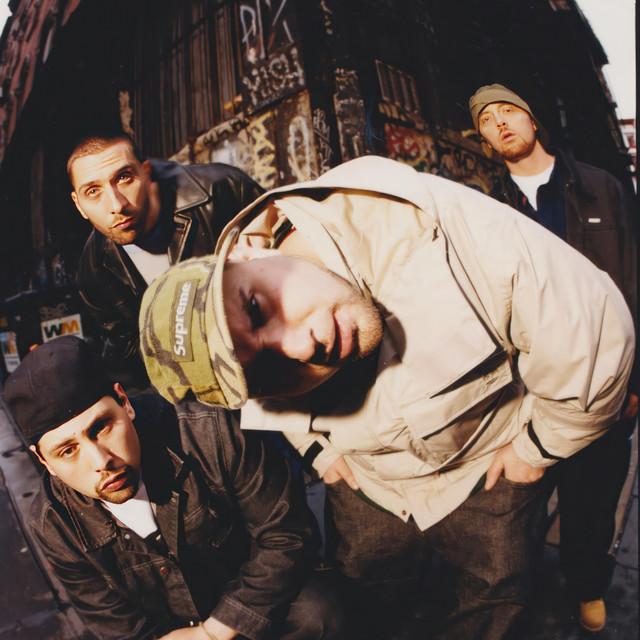
7L & Esoteric’s Spotify Bio7L & Esoteric first came together in 1992 after 7L heard Esoteric DJing at a local college radio station in Boston. Esoteric's sets were mostly hip-hop-based, but on occasion he would fuse his own material into his playlists. After hearing Eso's material, 7L contacted him in the hopes of forming an artistic collaboration. And collaborate they did. Reverting back to the standard hip-hop formula for success -- one DJ, one MC -- they immediately started to build on a common love for hip-hop born of 1986-1989. The pair headlined shows in smaller venues throughout Boston, New York, and Philadelphia as well as opening for some hip-hop heavyweights like Bahamadia, Rakim, Redman, and Company Flow.
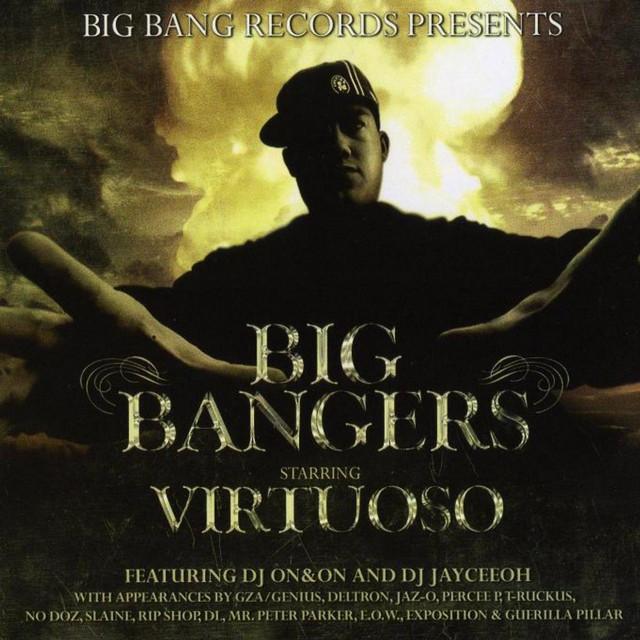
The duo released their first single under the name God Complex in 1996. The single was immediately dubbed one of the best rap singles of the year, receiving huge responses from Los Angeles, New York, Canada, and the overseas markets. Soon after, the Rebel Alliance LP was released. Calling together… their fellow MCs and DJs from their hometown (including Virtuoso, Mr. Lif, Tony Infamous, and Force Five), Rebel Alliance was a compilation showcasing the talent and skills held in the scene that raised them. As soon as Rebel Alliance was in the stores, 7L & Esoteric followed up with a 12" featuring the tracks "Be Alert," "Protocol," and yet another collaboration with Virtuoso, "Touch the Mic." While "Be Alert" received attention thanks to the sampling of the Transformers cartoon show, "Protocol" was garnering intense recognition for Esoteric's nonstop lyricism. Source magazine even went so far as to label "Protocol" one of the five best hip-hop tracks of the '90s. Their next single, released on Direct Records, earned the group praise from coast to coast. "Def Rhymes" was exactly what the title implied, while "Headswell" brought back the now-expected pairing of Eso and Virtuoso.
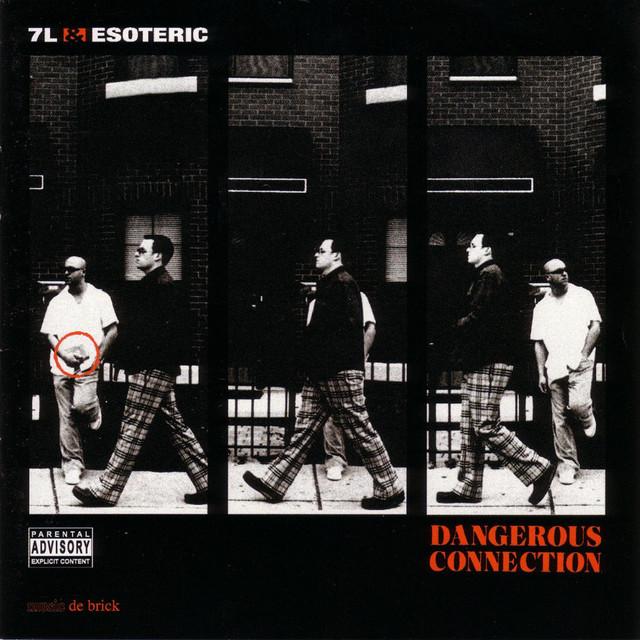
While waiting to release their debut, the duo put out the EP Speaking Real Words, but the pressure that Direct put on them to finish their first full-length, The Soul Purpose, left 7L & Esoteric with bad feelings (plus an album they felt wasn't mixed completely), so they moved to Brick Records for 2002's Dangerous Connection. The success that followed led the group to move to Babygrande, which, with more resources, could give them the marketing and support they were looking for. In 2004 DC2: Bars of Death, the sequel to Dangerous Connection, came out, and though the friends were receiving a fair amount of attention and acclaim, they were also feeling tired and constrained. 7L began working on solo material (he released Flow Season with MC Main Flow in September 2006), and Esoteric began making beats. In 2005 Babygrande issued Moment of Rarities, an album of previously unreleased tracks.
Although it appeared that a breakup, or least a "hiatus," was on the horizon, 2006 saw the duo back in the studio working on new songs, and June brought A New Dope, whose beats -- which came from both 7L and Esoteric-- were more similar to Kraftwerk or Fatboy Slim than DJ Premier.
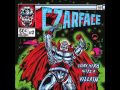
A procession of Esoteric solo albums filled out the rest of the 2000s, although many of them featured 7L productions and most of them appeared on the duo's Fly Casual Creative label. The duo also appeared on several albums by the hip-hop supergroup Army of the Pharaohs (organized by Vinnie Paz). The year 2010 brought a full-length 7L & Esoteric record, 1212, with features for Sadat X, Inspectah Deck, Paz, and Celph Titled. Three years later, Inspectah Deck returned for a full collaboration, Czarface. ~ Emilie Litzell & Marisa Brown, Rovi
Viberate is a music analytics platform built for A&Rs, artist managers, labels, booking agents, marketers, and artists.
It helps music professionals track artist growth, analyze audience data, monitor playlist activity, compare artists, follow song performance, and identify opportunities across the music market.
Public artist pages provide a free preview of selected artist data. Paid plans provide access to deeper analytics, historical data, charts, comparisons, playlist tools, exports, alerts, reports, and additional professional features.
Yes. Public Viberate artist pages provide selected artist analytics and music data for free.
Viberate also offers a 7-day free trial of the full platform. A credit card is required to start the trial. The trial includes access to the complete product so users can test deeper artist analytics, historical views, playlist insights, comparisons, charts, exports, alerts, and reporting features before choosing a paid plan.
Viberate provides artist analytics across streaming, playlists, social media, video, radio airplay, songs, and audience markets.
Users can analyze Spotify performance, Spotify and Apple Music playlists, YouTube activity, TikTok and Instagram growth, radio spins, song performance, audience locations, demographics, rankings, and overall artist momentum.
Artist profiles also connect to music charts, similar artists, and comparison tools, helping users benchmark performance and evaluate artists in context.
Viberate updates key artist and track data daily.
For followed artists and tracks, selected data is refreshed multiple times per day. This helps teams monitor playlist changes, streaming movement, audience growth, releases, and campaign performance with more current data.
Update frequency can vary depending on the metric and data source.
Yes. Viberate lets users compare up to five artists side by side across streaming, social media, audience, and engagement metrics.
Users can compare fanbase growth, audience demographics, locations, Spotify performance, social metrics, and other artist data over selected time periods.
Artist comparison can be used for A&R scouting, benchmarking, booking decisions, campaign planning, and evaluating artists with similar audiences or market positions.