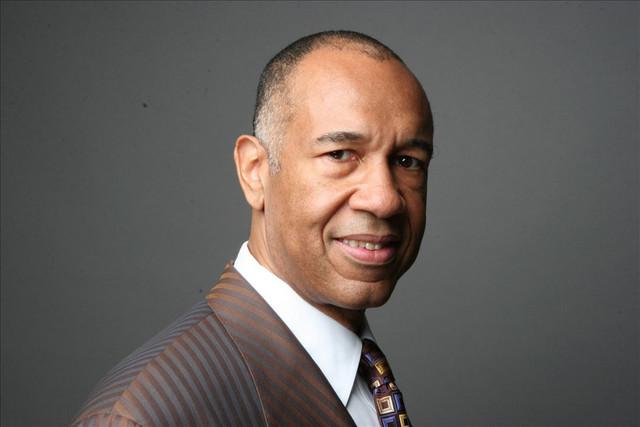
Louis Hayes

Jazz
Bebop
Free Jazz
 Viberate Rank: 207852
 Viberate Rank: 207852
 Monthly ListenersFollowers
 Subscribers
 Followers
 Followers
 FansTop Spotify Songs
| Track | 7-Day Streams | |
|---|---|---|
1 | 2.88K | |
2 | 1.67K | |
3 | 1.09K | |
4 | 775 | |
5 | 770 |
Top YouTube Videos| Video | 7-Day Views | |
|---|---|---|
1 | 2 |
Monthly ListenersFeatured in Playlists| Playlist | Followers | |
|---|---|---|
1 |  This Is Gregory Porter Spotify | 109.17K |
2 |  Jazz At Work | Jazz au Bureau | Jazz pour travailler 2026 | Chill & Lounge Digster France | 36.30K |
3 |  爵士小酒館 Digster Taiwan | 32.76K |
4 |  Cheat Sheet: J Dilla Okayplayer | 26.93K |
5 |  Hard Bop Jazz Mark Noordzij | 20.46K |
Audience| City | Monthly Listeners | |
|---|---|---|
1 |  | 186 |
2 | | 112 |
3 |  | 102 |
4 |  | 99 |
5 | | 94 |
See full performance history, audience data, playlist activity, rankings, comparisons, and more in Viberate music analytics. Start with a free trial, then continue with a paid plan.
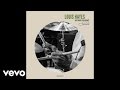
Louis Hayes’ Spotify BioDrummer Louis Hayes is a superior hard bop stylist best known for supporting soloists rather than taking the spotlight himself. Over a seven-plus-decade career, he has been ranked alongside the illustrious Art Blakey as a superior, swinging hard bop drummer. He has nearly 800 recordings credits, as leader and sideman (some of his early employers included Yusef Lateef, Horace Silver, and Cannonball Adderley). Though his eponymous debut was released by Vee-Jay in 1960, he didn't lead another session before 1974's Breath of Life. 1978's The Real Thing offered a showcase for trumpeter Woody Shaw, while 1979's Variety Is the Spice of Life, highlighted pianist Harold Mabern and saxophonist Frank Strozier. Between 1989 and 1996, he cut seven albums, including The Crawl (1989), Una Max (1990), Nightfall (1991), and Blue Lou (1993). In 2006 he released Maximum Firepower, his Savant tribute to Adderley. In 2017 he issued Serenade for Horace on Blue Note. He returned to Savant for 2021's Crisis,… 2023's Exactly Right!, and 2024's Artform Revisited.
Hayes was born in Detroit in 1937. His father was an auto worker who played piano and drums, while his mother waited tables and played piano. (She was the sister of jazz pianist John Lewis "Prince" Nelson, Prince's father). Hayes received his first drum kit at age 10; he was mentored by cousin, drummer Clarence Stamps, who taught him technical fundamentals and drum lessons. His earliest influence was the big-band jazz he heard on the radio. His main playing influence was Philly Joe Jones; he was later mentored by jazz drummer Jo Jones.
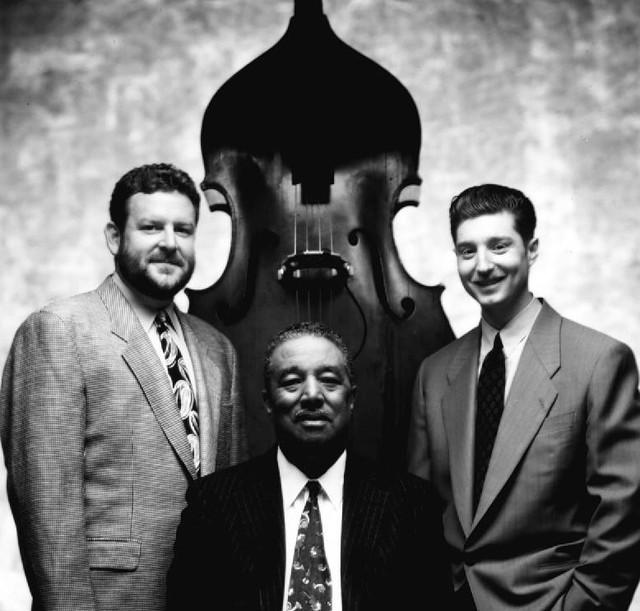
Hayes was leading his own groups before he was 16. He began his association with Yusef Lateef in 1955 and recorded four albums with the great multi-instrumentalist, including the classics Jazz for the Thinker and Before Dawn. Hayes then began his three most notable associations: He played in Horace Silver's Quintet from late 1957 to 1959, the Cannonball Adderley Quintet between 1959 and 1965, and the Oscar Peterson Trio from 1965 to 1967. Hayes often teamed up with bassist Sam Jones, in the bands of Adderley and Peterson, and in freelance settings. In addition to his group memberships and leader dates, the spent the '60s as an in-demand sideman with artists ranging from trombonists Curtis Fuller and J.J. Johnson to saxophonists John Coltrane, Jackie McLean, Phil Woods, and Harold Land, among many others.
Hayes led a variety of groups during the '70s, including quintets co-led by Junior Cook and Woody Shaw, and appeared with a diverse range of musicians from Cecil Taylor and McCoy Tyner to Freddie Hubbard, Richard Davis, and Dexter Gordon. His best-known recordings from the '70s include 1974's Breath of Life, 1977's Real Thing, and 1979's Ichi-Ban. Other well-received albums followed, including 1983's Colour, 1989's Una Max, 1994's Blue Lou, and 1996's Louis at Large.
Hayes kept busy in the 2000s, releasing 2002's Dreamin' of Cannonball, a second Adderley tribute titled Maximum Firepower, as well as 2009's Time Keeper, and 2014's Return of the Jazz Communicators for Smoke Sessions. On his 2017 Blue Note album Serenade for Horace, Hayes paid tribute to his friend and former boss. High Note released a series of live tour volumes with Shaw, and in 2019, Jazzline issued the archival document Louis Hayes & Junior Cook Quintet's At Onkel Pö's Carnegie Hall, Hamburg 1976. The drummer began an association with Savant with 2021's Crisis, continued on 2023's Exactly Right! and 2024's Artform Revisited. In 2023, Hayes was earned the distinction of becoming an NEA Jazz Master. ~ Scott Yanow & Thom Jurek, Rovi
Viberate is a music analytics platform built for A&Rs, artist managers, labels, booking agents, marketers, and artists.
It helps music professionals track artist growth, analyze audience data, monitor playlist activity, compare artists, follow song performance, and identify opportunities across the music market.
Public artist pages provide a free preview of selected artist data. Paid plans provide access to deeper analytics, historical data, charts, comparisons, playlist tools, exports, alerts, reports, and additional professional features.
Yes. Public Viberate artist pages provide selected artist analytics and music data for free.
Viberate also offers a 7-day free trial of the full platform. A credit card is required to start the trial. The trial includes access to the complete product so users can test deeper artist analytics, historical views, playlist insights, comparisons, charts, exports, alerts, and reporting features before choosing a paid plan.
Viberate provides artist analytics across streaming, playlists, social media, video, radio airplay, songs, and audience markets.
Users can analyze Spotify performance, Spotify and Apple Music playlists, YouTube activity, TikTok and Instagram growth, radio spins, song performance, audience locations, demographics, rankings, and overall artist momentum.
Artist profiles also connect to music charts, similar artists, and comparison tools, helping users benchmark performance and evaluate artists in context.
Viberate updates key artist and track data daily.
For followed artists and tracks, selected data is refreshed multiple times per day. This helps teams monitor playlist changes, streaming movement, audience growth, releases, and campaign performance with more current data.
Update frequency can vary depending on the metric and data source.
Yes. Viberate lets users compare up to five artists side by side across streaming, social media, audience, and engagement metrics.
Users can compare fanbase growth, audience demographics, locations, Spotify performance, social metrics, and other artist data over selected time periods.
Artist comparison can be used for A&R scouting, benchmarking, booking decisions, campaign planning, and evaluating artists with similar audiences or market positions.