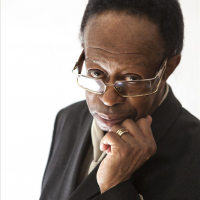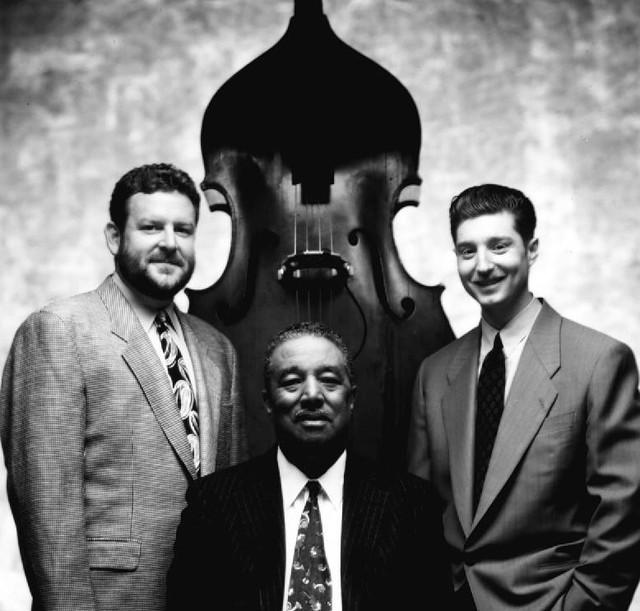
Jeff Hamilton

Jazz
Smooth Jazz
 Viberate Rank: 188316
 Viberate Rank: 188316
 Monthly ListenersFollowers
 Subscribers
 Followers
 Followers
 FansTop Spotify Songs
| Track | 7-Day Streams | |
|---|---|---|
1 | 1.91K | |
2 | 1.51K | |
3 | 1.28K | |
4 | 1.08K | |
5 | 1.05K |
Top YouTube VideosMonthly ListenersFeatured in Playlists| Playlist | Followers | |
|---|---|---|
1 |  Jazz :) SirMichelangelo | 69.00K |
2 |  Mellow Jazz For Late At Night NgaioMan | 21.76K |
3 | Jazz Standards Playlist tmorral22 | 19.75K |
4 |  FIP Radio (en live) Matthou | 13.27K |
5 | jazz,funk,soul,blues,afrobeat,latin İlker Özalp | 11.48K |
Audience| City | Monthly Listeners | |
|---|---|---|
1 |  | 514 |
2 | | 388 |
3 | | 364 |
4 | | 281 |
5 | | 218 |
See full performance history, audience data, playlist activity, rankings, comparisons, and more in Viberate music analytics. Start with a free trial, then continue with a paid plan.
Jeff Hamilton’s Spotify BioAn adaptable and swinging jazz drummer, Jeff Hamilton has distinguished himself as an in-demand sideman and bandleader, working with both his own trio and the Clayton-Hamilton Jazz Orchestra. Initially emerging in Los Angeles in the 1970s, Hamilton built his reputation playing with big bands before coming to wider recognition as a member of the illustrious Ray Brown Trio in the '80s and '90s. Building upon Brown's trio format, Hamilton launched his own group, issuing a steady flow of highly regarded acoustic jazz dates like 1994's It's Hamilton Time, 2009's Symbiosis, and 2017's Dreamsville. At the same time, he co-leads his big band with bassist John Clayton and saxophonist Jeff Clayton, issuing sophisticated large group dates like 1999's Explosive! with Milt Jackson and 2014's Grammy-nominated The L.A. Treasure's Project.
Born in 1953, Hamilton grew up in Richmond, Indiana, where he started playing drums at age eight. Initially influenced by his parent's big band and Oscar Peterson re…cords, by his teens he was drawing inspiration from albums by percussion idols like Gene Krupa, Buddy Rich, Mel Lewis, Philly Joe Jones, and Shelly Manne. After high school, he earned his music degree from Indiana University and studied privately with noted drummer John Von Ohlen. His first big job came in 1974 with the New Tommy Dorsey Orchestra, followed a year later with a stint in Lionel Hampton's band. He then joined bassist John Clayton in pianist Monty Alexander's trio, recording 1979's Facets and Live! Montreux Alexander. From there, he spent several years touring and recording as a member of Woody Herman's Thundering Herd, before taking over the drum chair from Shelly Manne in the L.A. Four with Ray Brown, Bud Shank, and Laurindo Almeida. It was while with the L.A. Four that Hamilton began composing and arranging, ultimately recording six albums, including 1978's Just Friends and 1980's Zaca.
As a leader, Hamilton debuted with Indiana in 1982, playing alongside tenor saxophonist Bob Cooper, altoist Lanny Morgan, pianist Biff Hannon, and bassist John Clayton. The album also featured a guest spot from vocalist Mark Murphy. More sideman work followed throughout the '80s, including stints with pianist Alexander, Ella Fitzgerald, the Count Basie Orchestra, Rosemary Clooney, and others. He also furthered his association with bassist Ray Brown, joining his trio and recording albums like 1988's Bam Bam Bam, 1989's Black Orpheus, and 1994's Don't Get Sassy.
Also during this period, he formed the all-star Clayton-Hamilton Jazz Orchestra, pairing as co-leader with longtime associates bassist John Clayton and altoist Jeff Clayton. The group debuted in 1990 with Groove Shop, which featured a bevy of top soloists including tenor saxophonist Rickey Woodard; trumpeters Snooky Young, Clay Jenkins, and Oscar Brashear; and trombonist George Bohanon. The group, which was the in-residence ensemble for the Hollywood Bowl Jazz series from 1999 to 2001, has issued a number of highly regarded straight-ahead big-band dates like 1995's Absolutely!, 2000's Shout Me Out!, and 2009's Charles Aznavour & the Clayton-Hamilton Jazz Orchestra.
On his own, Hamilton has steadily continued to lead trio sessions. After initially returning to his solo work with 1994's It's Hamilton Time, he also paired with vibraphonist Frits Landesbergen for 1997's Dynavibes and offered the 2002 trio date Hands On with bassist Lynne Seaton and pianist Larry Fuller. He then introduced a new trio featuring pianist Tamir Hendelman and bassist Christoph Luty, issuing albums like 2004's The Best Things Happen, 2009's Symbiosis, and 2012's Red Sparkle. The following year, he and bassist Clayton backed pianist/singer Paul Kuhn on The L.A. Session. In 2014, the drummer earned a Grammy nomination for his work on the Clayton-Hamilton Jazz Orchestra's album The L.A. Treasure's Project.
Away from his own groups, Hamilton further distinguished himself working on projects with singers like Diana Krall, Stacey Kent, and Michael Buble. In 2017, he was back with his trio for Dreamsville, a collaboration with saxophonist Cory Weeds. Two years later, the drummer joined pianist Akiko Tsuruga and guitarist Graham Dechter for Equal Time. ~ Matt Collar, Rovi
Viberate is a music analytics platform built for A&Rs, artist managers, labels, booking agents, marketers, and artists.
It helps music professionals track artist growth, analyze audience data, monitor playlist activity, compare artists, follow song performance, and identify opportunities across the music market.
Public artist pages provide a free preview of selected artist data. Paid plans provide access to deeper analytics, historical data, charts, comparisons, playlist tools, exports, alerts, reports, and additional professional features.
Yes. Public Viberate artist pages provide selected artist analytics and music data for free.
Viberate also offers a 7-day free trial of the full platform. A credit card is required to start the trial. The trial includes access to the complete product so users can test deeper artist analytics, historical views, playlist insights, comparisons, charts, exports, alerts, and reporting features before choosing a paid plan.
Viberate provides artist analytics across streaming, playlists, social media, video, radio airplay, songs, and audience markets.
Users can analyze Spotify performance, Spotify and Apple Music playlists, YouTube activity, TikTok and Instagram growth, radio spins, song performance, audience locations, demographics, rankings, and overall artist momentum.
Artist profiles also connect to music charts, similar artists, and comparison tools, helping users benchmark performance and evaluate artists in context.
Viberate updates key artist and track data daily.
For followed artists and tracks, selected data is refreshed multiple times per day. This helps teams monitor playlist changes, streaming movement, audience growth, releases, and campaign performance with more current data.
Update frequency can vary depending on the metric and data source.
Yes. Viberate lets users compare up to five artists side by side across streaming, social media, audience, and engagement metrics.
Users can compare fanbase growth, audience demographics, locations, Spotify performance, social metrics, and other artist data over selected time periods.
Artist comparison can be used for A&R scouting, benchmarking, booking decisions, campaign planning, and evaluating artists with similar audiences or market positions.