Louis Couperin

Classical
Classical Crossover
 Viberate Rank: 336763
 Viberate Rank: 336763
 Monthly ListenersFollowers
 Subscribers
 Followers
 Followers
 FansTop Spotify SongsTop YouTube VideosMonthly ListenersFeatured in Playlists
| Playlist | Followers | |
|---|---|---|
1 |  Harpsichord Music Clavecins Sans Frontières | 20.10K |
2 |  Renaissance, Baroque, Medieval, & Other Early Music Andrew T. Lane | 13.44K |
3 | musica barroca clasica Ricardo Henao | 11.61K |
4 |  The Kitchen Playlist Max Richter | 7.76K |
5 |  Baroque Study Music Bobby Kennedy | 5.55K |
Audience| City | Monthly Listeners | |
|---|---|---|
1 |  | 228 |
2 | | 198 |
3 |  | 187 |
4 |  | 173 |
5 |  | 160 |
See full performance history, audience data, playlist activity, rankings, comparisons, and more in Viberate music analytics. Start with a free trial, then continue with a paid plan.
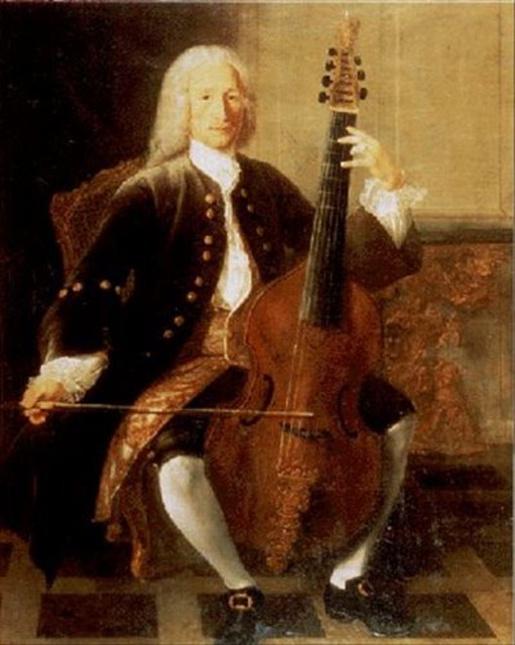
Louis Couperin’s Spotify BioThe Couperin family resembles, in many ways, the Bach family, though on a smaller scale: several generations of Couperins were important figures in the history of French music. Louis Couperin was the uncle to perhaps the best-known member of the Couperin family, François, also known as François le Grand. Louis was the son of Charles Couperin, organist of Chaume, and brother to Charles, also a successful organist and father to François.
Very little is known about the early years of Louis' life, other than that he must have received excellent musical training (probably from Chambonnières), for he became an overnight success when he finally arrived in Paris around 1651. Once in Paris, he secured a job as an organist at St. Gervais and also played treble viol in the royal chapel. He was a well-known and well-respected musician in Paris, and was closely connected to many of the most important musicians in the city.
Aproximately 215 of Couperin's works survive today, although it is very likely… that he composed many more. Most of his compositions are works for keyboard, and indeed Couperin is considered one of the greatest French keyboard composers of the seventeenth century. His oeuvre includes a great deal of music for organ, including a number of fugues, as well as music for the harpsichord. Couperin's harpsichord music has generated the most interest over the centuries: comprised largely of short dance pieces -- allemandes, courantes, gigues, sarabandes, etc. -- the harpsichord music is remarkable for its intensity and sudden harmonic, rhythmic, and melodic gestures.
Some scholars have suggested that Couperin was one of the first French harpsichord composers to adopt the new basso continuo style; others have noted that his style changed from medium to medium, so that the violin music, the organ music, and the harpsichord music each reveal a different facet of the same fertile musical imagination.
Viberate is a music analytics platform built for A&Rs, artist managers, labels, booking agents, marketers, and artists.
It helps music professionals track artist growth, analyze audience data, monitor playlist activity, compare artists, follow song performance, and identify opportunities across the music market.
Public artist pages provide a free preview of selected artist data. Paid plans provide access to deeper analytics, historical data, charts, comparisons, playlist tools, exports, alerts, reports, and additional professional features.
Yes. Public Viberate artist pages provide selected artist analytics and music data for free.
Viberate also offers a 7-day free trial of the full platform. A credit card is required to start the trial. The trial includes access to the complete product so users can test deeper artist analytics, historical views, playlist insights, comparisons, charts, exports, alerts, and reporting features before choosing a paid plan.
Viberate provides artist analytics across streaming, playlists, social media, video, radio airplay, songs, and audience markets.
Users can analyze Spotify performance, Spotify and Apple Music playlists, YouTube activity, TikTok and Instagram growth, radio spins, song performance, audience locations, demographics, rankings, and overall artist momentum.
Artist profiles also connect to music charts, similar artists, and comparison tools, helping users benchmark performance and evaluate artists in context.
Viberate updates key artist and track data daily.
For followed artists and tracks, selected data is refreshed multiple times per day. This helps teams monitor playlist changes, streaming movement, audience growth, releases, and campaign performance with more current data.
Update frequency can vary depending on the metric and data source.
Yes. Viberate lets users compare up to five artists side by side across streaming, social media, audience, and engagement metrics.
Users can compare fanbase growth, audience demographics, locations, Spotify performance, social metrics, and other artist data over selected time periods.
Artist comparison can be used for A&R scouting, benchmarking, booking decisions, campaign planning, and evaluating artists with similar audiences or market positions.