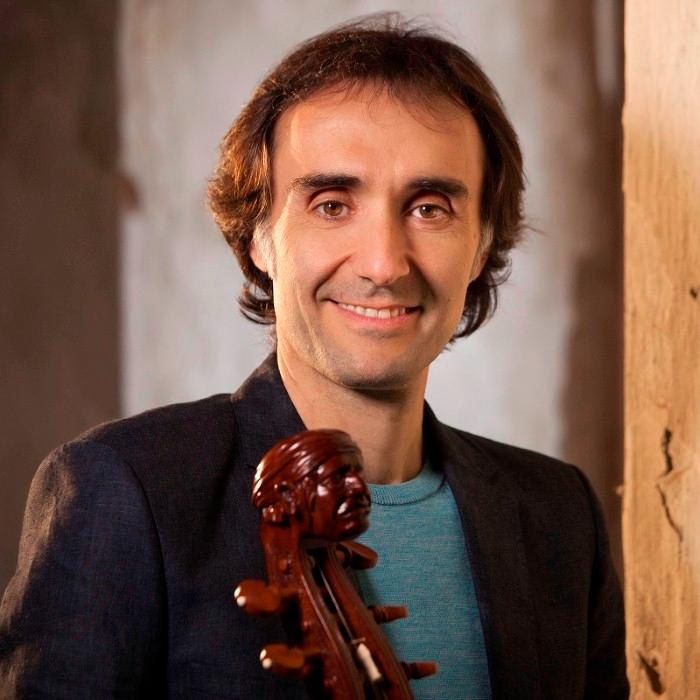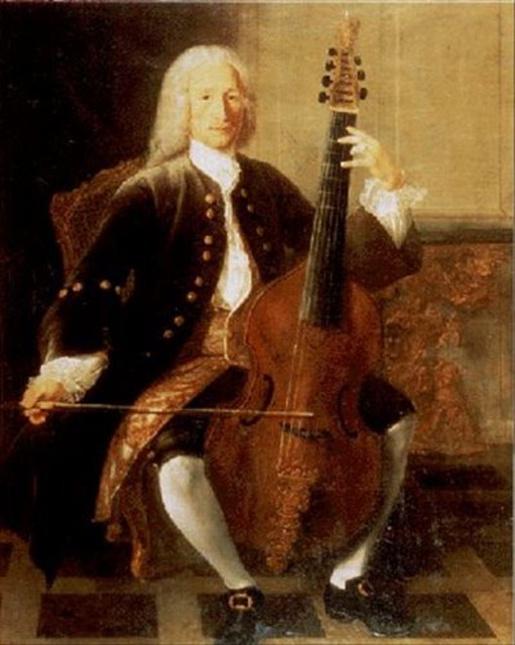
Antoine Forqueray

Classical
Classical Crossover
 Viberate Rank: 404597
 Viberate Rank: 404597
 Monthly ListenersFollowers
 Subscribers
 Followers
 Followers
 FansTop Spotify Songs
| Track | 7-Day Streams | |
|---|---|---|
1 | 898 | |
2 | 808 | |
3 | 783 | |
4 | 724 | |
5 | 629 |
Top YouTube VideosMonthly ListenersFeatured in Playlists| Playlist | Followers | |
|---|---|---|
1 |  Harpsichord Music Clavecins Sans Frontières | 20.10K |
2 | Hannibal, tv series Soundtrack Simon Fogelström | 14.32K |
3 |  This Is Jordi Savall Spotify | 11.20K |
4 | 60bpm Baroque Study Tan | 4.99K |
5 |  Viola da Gamba & Viols Andrew T. Lane | 3.04K |
Audience| City | Monthly Listeners | |
|---|---|---|
1 |  | 220 |
2 | | 197 |
3 | | 143 |
4 |  | 134 |
5 |  | 125 |
See full performance history, audience data, playlist activity, rankings, comparisons, and more in Viberate music analytics. Start with a free trial, then continue with a paid plan.
Antoine Forqueray’s Spotify BioAntoine Forqueray was a French bass viol virtuoso, and one of King Louis XIV's favorite performers. His inventive and technically demanding compositions are some of the first important works for the bass viol.
Forqueray was born in Paris in 1672, and his father, Michel, was a master dancer and a violinist. Forqueray initially learned the basse de violon from his father, and by the time he was ten years old he had become a very talented performer. This attracted the attention of King Louis XIV, who invited the boy to play for him at his court. The king was so impressed with the performance that he arranged for Forqueray to learn the bass viol from the musicians employed at his court. He studied with the king's violists for around six years and was appointed Musician ordinaire de la chambre du roy in 1689. In this position, he was responsible for daily performances for the king and other important guests, and he also gave music lessons to the youngest members of the royal family. Musician… and writer Jean-Benjamin Francois de la Borde wrote that Forqueray was the most accomplished living violist by the time he was 20 years old.
In 1697, he married Henriette-Angelique Houssu, who was a harpsichordist and the daughter of an organist. After two years together, Houssu gave birth to Jean-Baptiste, who also became a prominent musician as an adult. Forqueray and Houssu performed together initially, but Forqueray's difficult personality put a strain on their relationship and the marriage was turbulent. After several short separations, they ended the marriage in 1710. His relationship with his son was equally dysfunctional, and his jealousy of the boy's prodigious virtuosity exacerbated his behavior. Aside from his unfortunate personality, Forqueray remained in high demand as a violist for the remainder of his career. After his retirement in 1730, he moved to a country estate in Mantes-la-Jolie, where he continued to collect his full salary and lived lavishly until his death in 1745. As a performer, he was determined to play with the same high level of virtuosity as the Italian violinists, and this was also reflected in his compositions. Most of his surviving works were published after his death in 1747 by his son in the book Pieces de viole. ~ RJ Lambert, Rovi
Viberate is a music analytics platform built for A&Rs, artist managers, labels, booking agents, marketers, and artists.
It helps music professionals track artist growth, analyze audience data, monitor playlist activity, compare artists, follow song performance, and identify opportunities across the music market.
Public artist pages provide a free preview of selected artist data. Paid plans provide access to deeper analytics, historical data, charts, comparisons, playlist tools, exports, alerts, reports, and additional professional features.
Yes. Public Viberate artist pages provide selected artist analytics and music data for free.
Viberate also offers a 7-day free trial of the full platform. A credit card is required to start the trial. The trial includes access to the complete product so users can test deeper artist analytics, historical views, playlist insights, comparisons, charts, exports, alerts, and reporting features before choosing a paid plan.
Viberate provides artist analytics across streaming, playlists, social media, video, radio airplay, songs, and audience markets.
Users can analyze Spotify performance, Spotify and Apple Music playlists, YouTube activity, TikTok and Instagram growth, radio spins, song performance, audience locations, demographics, rankings, and overall artist momentum.
Artist profiles also connect to music charts, similar artists, and comparison tools, helping users benchmark performance and evaluate artists in context.
Viberate updates key artist and track data daily.
For followed artists and tracks, selected data is refreshed multiple times per day. This helps teams monitor playlist changes, streaming movement, audience growth, releases, and campaign performance with more current data.
Update frequency can vary depending on the metric and data source.
Yes. Viberate lets users compare up to five artists side by side across streaming, social media, audience, and engagement metrics.
Users can compare fanbase growth, audience demographics, locations, Spotify performance, social metrics, and other artist data over selected time periods.
Artist comparison can be used for A&R scouting, benchmarking, booking decisions, campaign planning, and evaluating artists with similar audiences or market positions.