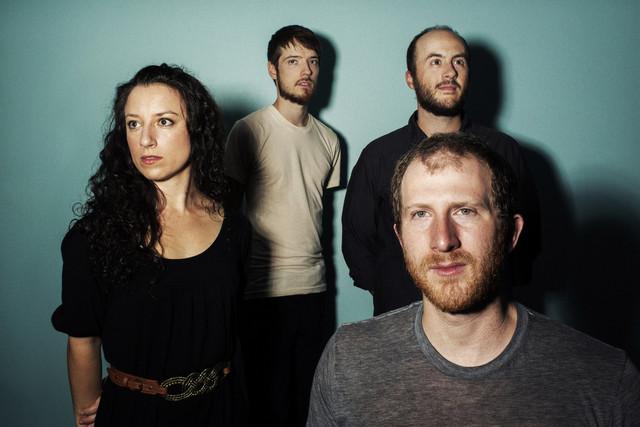
Lost In The Trees

Pop
Indie Pop
Folk Rock
 Viberate Rank: 196925
 Viberate Rank: 196925
 Monthly ListenersFollowers
 Subscribers
 Followers
 Followers
 FansTop Spotify Songs
| Track | 7-Day Streams | |
|---|---|---|
1 | 1.64K | |
2 | 568 | |
3 | 487 | |
4 | 359 | |
5 | 349 |
Top YouTube VideosMonthly ListenersFeatured in Playlists| Playlist | Followers | |
|---|---|---|
1 |  NPR All Songs Considered - The Bob Boilen years (unofficial) Fri Tsch | 30.02K |
2 | Música Clássica para Estudar, Concentrar e Relaxar. 🎹🎼 MUSIC | 24.01K |
3 |  Indie Folk Erik Sebastian Zweidorff | 20.72K |
4 |  Experience Ludovico Einaudi type of shit bohemia oscura | 15.29K |
5 |  🌳 The Princess Keath | 11.31K |
Audience| City | Monthly Listeners | |
|---|---|---|
1 | | 138 |
2 | | 105 |
3 | | 103 |
4 | | 100 |
5 |  | 87 |
See full performance history, audience data, playlist activity, rankings, comparisons, and more in Viberate music analytics. Start with a free trial, then continue with a paid plan.
Lost In The Trees’ Spotify BioLost in the Trees is the brainchild of singer/guitarist Ari Picker, a Chapel Hill native who started his career as a member of the B-Sides. Picker's studies at the Berklee College of Music led him to attempt an orchestral effort, and he adopted the moniker Lost in the Trees for the project. After assembling a small group of musicians, he recorded a folk-influenced EP, Time Taunts Me, and released it on Trekky Records in early 2007. Schoolwork prevented him from touring in support of the EP's release, though, and Picker didn't return to the Lost in Trees project until 2008, when he graduated from Berklee and moved back to North Carolina.
Picker began putting together a new lineup for his band, calling upon several members of the Trekky Records crew as well as the University of North Carolina's orchestra program to help him out. Once formed, the group recorded All Alone in an Empty House, a lush sophomore album that featured strings, horns, and full orchestration. The record was released… in 2008 and reissued two years later, following the group's signing with Anti- Records. The band's sophomore outing, 2012's evocative A Church That Fits Our Needs, served as a musical tribute to Picker's mother, who took her own life in 2009. The group's third long-player, Past Life, followed in early 2014. ~ William Ruhlmann & Andrew Leahey, Rovi
Viberate is a music analytics platform built for A&Rs, artist managers, labels, booking agents, marketers, and artists.
It helps music professionals track artist growth, analyze audience data, monitor playlist activity, compare artists, follow song performance, and identify opportunities across the music market.
Public artist pages provide a free preview of selected artist data. Paid plans provide access to deeper analytics, historical data, charts, comparisons, playlist tools, exports, alerts, reports, and additional professional features.
Yes. Public Viberate artist pages provide selected artist analytics and music data for free.
Viberate also offers a 7-day free trial of the full platform. A credit card is required to start the trial. The trial includes access to the complete product so users can test deeper artist analytics, historical views, playlist insights, comparisons, charts, exports, alerts, and reporting features before choosing a paid plan.
Viberate provides artist analytics across streaming, playlists, social media, video, radio airplay, songs, and audience markets.
Users can analyze Spotify performance, Spotify and Apple Music playlists, YouTube activity, TikTok and Instagram growth, radio spins, song performance, audience locations, demographics, rankings, and overall artist momentum.
Artist profiles also connect to music charts, similar artists, and comparison tools, helping users benchmark performance and evaluate artists in context.
Viberate updates key artist and track data daily.
For followed artists and tracks, selected data is refreshed multiple times per day. This helps teams monitor playlist changes, streaming movement, audience growth, releases, and campaign performance with more current data.
Update frequency can vary depending on the metric and data source.
Yes. Viberate lets users compare up to five artists side by side across streaming, social media, audience, and engagement metrics.
Users can compare fanbase growth, audience demographics, locations, Spotify performance, social metrics, and other artist data over selected time periods.
Artist comparison can be used for A&R scouting, benchmarking, booking decisions, campaign planning, and evaluating artists with similar audiences or market positions.