Little Caesar

Rock
Hard Rock
Glam Metal
 Viberate Rank: 162165
 Viberate Rank: 162165
 Monthly ListenersFollowers
 Subscribers
 Followers
 Followers
 FansTop Spotify Songs
| Track | 7-Day Streams | |
|---|---|---|
1 | 2.56K | |
2 | 954 | |
3 | 905 | |
4 | 737 | |
5 | 720 |
Top YouTube VideosMonthly ListenersFeatured in Playlists| Playlist | Followers | |
|---|---|---|
1 |  Point break - Soundtrack (deluxe) mcflystudio | 10.01K |
2 |  Good Morning Rock Thomas Poddey | 7.62K |
3 | jdgreen88 | 7.32K |
4 | Rock Hymnen Mike Nellihsen | 5.27K |
5 | 80s Metal Rock BLOODLUST | 4.71K |
Audience| City | Monthly Listeners | |
|---|---|---|
1 |  | 163 |
2 | | 159 |
3 |  | 158 |
4 |  | 147 |
5 | | 138 |
See full performance history, audience data, playlist activity, rankings, comparisons, and more in Viberate music analytics. Start with a free trial, then continue with a paid plan.
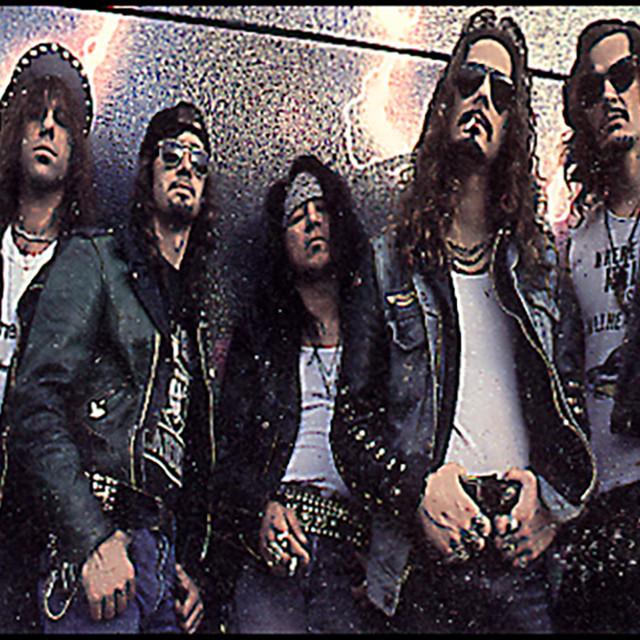
Little Caesar’s Spotify BioLittle Caesar seemed to have everything going for them. Signed to powerhouse Geffen Records at the height of the late-'80s hair metal craze; armed with a solid, Bob Rock-produced hard rock debut; and with wunderkind producer John Kalodner (the man responsible for Aerosmith's miraculous rebirth) guiding their career, the Los Angeles-based quintet was poised to ride the dependable, normally smooth-running Geffen production line on the fast-track to stardom. But there was one small problem: Little Caesar weren't the most handsome bunch. Ugly? These guys were scary even by heavy metal standards. Grimy-haired, covered in tattoos, and looking like a gang of Hell's Angels, the band was never given a chance by the MTV generation; and before they knew it, their albums had stiffed, their record company had abandoned them, and the public had all but forgotten they existed.
Former nightclub doorman Ron Young started Little Caesar in the late '80s with guitarists Louren Moulinaire and Apache,… bassist Fidel Paniagua, and drummer Tom Morris. An independently released EP called Name Your Poison brought them to the attention of Geffen Records, who obviously had high hopes for the group, pairing them with A&R wizard John Kalodner and in-demand hard rock producer Bob Rock for their eponymous 1990 debut. A no-nonsense, glam-free collection of earthy hard rock in the vein of '70s giants like Bad Company and Humble Pie, the album was also brimming with classic R&B influences, and garnered mostly positive reviews. It also featured two Motown covers, including a ballsy reading of the classic "Chain of Fools," which cracked the Billboard Top 100 chart. But what had worked for, say, AC/DC or Blue Öyster Cult in the pre-MTV era, when looks were not essential to a band's success, ultimately proved to be Little Caesar's undoing in the image-obsessed early '90s. Simply put, the kids didn't seem to get it, and no amount of talent or record company muscle could overcome the band's ugly mugs and heavily tattooed biker look. (Although, to their credit, at least the band refused to take the Twisted Sister comedy route in countering this problem, only to arrive at the same result anyway.)
Promptly demoted down Geffen's priority list (and losing their Kalodner/Rock dream team in the process), the band returned to action with 1992's even-grittier and fancy-free, albeit increasingly cliché-laden, Influence album. Though it counted with the services of veteran guitarist Earl Slick (Bowie, Dirty White Boy, etc.) replacing the departed Apache, it was much too late for Little Caesar, who disbanded shortly thereafter. Young moved on to a number of similarly ill-fated ventures, including the Four Horsemen, Manic Eden, and Dirt. ~ Eduardo Rivadavia, Rovi
Viberate is a music analytics platform built for A&Rs, artist managers, labels, booking agents, marketers, and artists.
It helps music professionals track artist growth, analyze audience data, monitor playlist activity, compare artists, follow song performance, and identify opportunities across the music market.
Public artist pages provide a free preview of selected artist data. Paid plans provide access to deeper analytics, historical data, charts, comparisons, playlist tools, exports, alerts, reports, and additional professional features.
Yes. Public Viberate artist pages provide selected artist analytics and music data for free.
Viberate also offers a 7-day free trial of the full platform. A credit card is required to start the trial. The trial includes access to the complete product so users can test deeper artist analytics, historical views, playlist insights, comparisons, charts, exports, alerts, and reporting features before choosing a paid plan.
Viberate provides artist analytics across streaming, playlists, social media, video, radio airplay, songs, and audience markets.
Users can analyze Spotify performance, Spotify and Apple Music playlists, YouTube activity, TikTok and Instagram growth, radio spins, song performance, audience locations, demographics, rankings, and overall artist momentum.
Artist profiles also connect to music charts, similar artists, and comparison tools, helping users benchmark performance and evaluate artists in context.
Viberate updates key artist and track data daily.
For followed artists and tracks, selected data is refreshed multiple times per day. This helps teams monitor playlist changes, streaming movement, audience growth, releases, and campaign performance with more current data.
Update frequency can vary depending on the metric and data source.
Yes. Viberate lets users compare up to five artists side by side across streaming, social media, audience, and engagement metrics.
Users can compare fanbase growth, audience demographics, locations, Spotify performance, social metrics, and other artist data over selected time periods.
Artist comparison can be used for A&R scouting, benchmarking, booking decisions, campaign planning, and evaluating artists with similar audiences or market positions.