Lincoln Olivetti

Latin
Samba
Latin Jazz
 Viberate Rank: 129302
 Viberate Rank: 129302
 Monthly ListenersFollowers
 Subscribers
 Followers
 Followers
 FansTop YouTube VideosMonthly ListenersFeatured in Playlists
| Playlist | Followers | |
|---|---|---|
1 |  Global Groove Spotify | 892.00K |
2 |  real good shit Tom Misch | 165.63K |
3 |  Soul Brasil Spotify | 157.25K |
4 |  Brazilian Boogie Spotify | 139.64K |
5 |  dancing in the kitchen Matthew Meyer | 136.44K |
Audience| City | Monthly Listeners | |
|---|---|---|
1 | | 7.18K |
2 | | 3.29K |
3 |  | 2.56K |
4 |  | 1.38K |
5 |  | 1.28K |
See full performance history, audience data, playlist activity, rankings, comparisons, and more in Viberate music analytics. Start with a free trial, then continue with a paid plan.
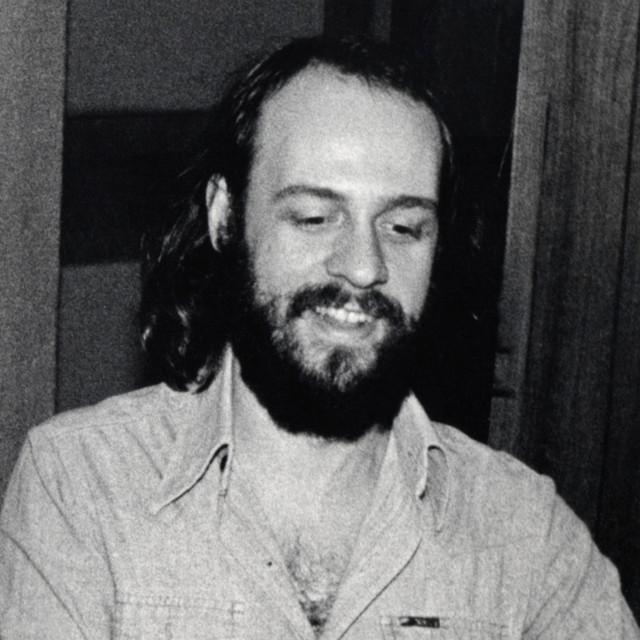
Lincoln Olivetti’s Spotify BioA solid influence over Brazilian popular music in the 80's, arranger/producer Lincoln Olivetti helped substantially (in duo with his partner Robson Jorge) to shape the sound of, among other top-line artists, Tim Maia, Caetano Veloso, Jorge Ben, Gilberto Gil, Gal Costa, Rita Lee, Luís Melodia (who also recorded "Traição", by Olivetti, in his Pintando o Sete, 1991), Fagner (Amigos e Canções, 1998), Zizi Possi and Marina Lima (her first album, Simples Como Fogo). Olivetti also had enormous hits like "Rio Babilônia" (with Robson Jorge), and his compositions were included in the soundtracks of broadly popular soap-operas (like Baila Comigo, 1981). Celebrated for infusing soul music overtones in the country's productions, Olivetti's formula was so successful and influential that also was responsible for an excessive commercialism that ended up making many of the Brazilian releases in the 80's to sound like the same. In the next decade he was rediscovered and his musical qualities shone again… in works like Ed Motta's Manual Prático para Festas, Bailes e Afins Vol. 1, with highlights for "Daqui pro Méier". A fundamental influence over the acclaimed producer Memê (Marcello Mansur), Olivetti wrote some of the string arrangements in Memê e Eles (1999). In 2001, after Universal refused Sandra de Sá's debut album in the recording company, a selection of Motown classics produced by Dudu Marote, Olivetti was summoned to realize the project. In the same year he also produced Rita Ribeiro's Comigo, made the arrangements for Nana Caymmi's Desejo and arranged the songs performed by Nana Caymmi, Daniela Mercury, Leila Pinheiro and The Women's Philharmonic at the Ibirapuera park (São Paulo). In 2002, Olivetti was responsible for the arrangements and conduction of the orchestra in Jorge Ben Jor's Acústico MTV. ~ Alvaro Neder, Rovi
Viberate is a music analytics platform built for A&Rs, artist managers, labels, booking agents, marketers, and artists.
It helps music professionals track artist growth, analyze audience data, monitor playlist activity, compare artists, follow song performance, and identify opportunities across the music market.
Public artist pages provide a free preview of selected artist data. Paid plans provide access to deeper analytics, historical data, charts, comparisons, playlist tools, exports, alerts, reports, and additional professional features.
Yes. Public Viberate artist pages provide selected artist analytics and music data for free.
Viberate also offers a 7-day free trial of the full platform. A credit card is required to start the trial. The trial includes access to the complete product so users can test deeper artist analytics, historical views, playlist insights, comparisons, charts, exports, alerts, and reporting features before choosing a paid plan.
Viberate provides artist analytics across streaming, playlists, social media, video, radio airplay, songs, and audience markets.
Users can analyze Spotify performance, Spotify and Apple Music playlists, YouTube activity, TikTok and Instagram growth, radio spins, song performance, audience locations, demographics, rankings, and overall artist momentum.
Artist profiles also connect to music charts, similar artists, and comparison tools, helping users benchmark performance and evaluate artists in context.
Viberate updates key artist and track data daily.
For followed artists and tracks, selected data is refreshed multiple times per day. This helps teams monitor playlist changes, streaming movement, audience growth, releases, and campaign performance with more current data.
Update frequency can vary depending on the metric and data source.
Yes. Viberate lets users compare up to five artists side by side across streaming, social media, audience, and engagement metrics.
Users can compare fanbase growth, audience demographics, locations, Spotify performance, social metrics, and other artist data over selected time periods.
Artist comparison can be used for A&R scouting, benchmarking, booking decisions, campaign planning, and evaluating artists with similar audiences or market positions.